
Last updated November 25, 2026
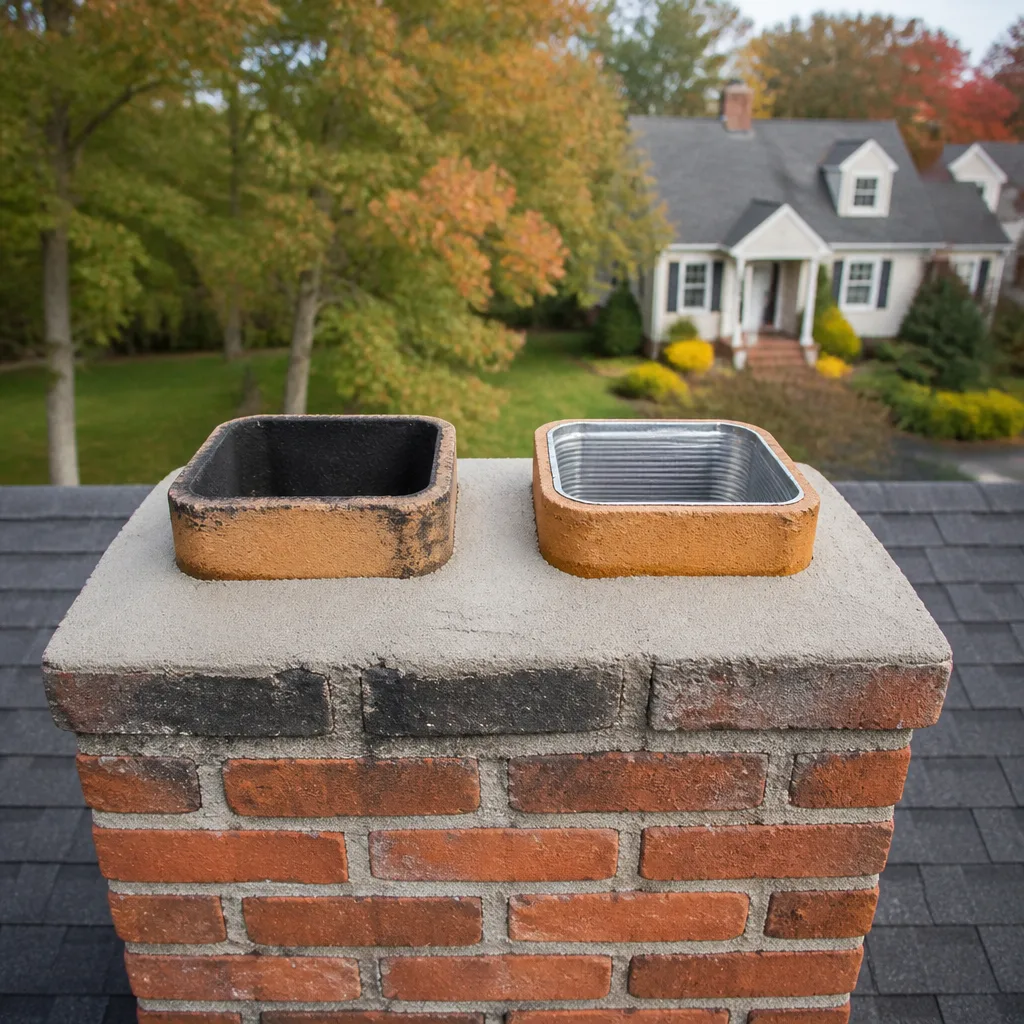 Sweep & inspection
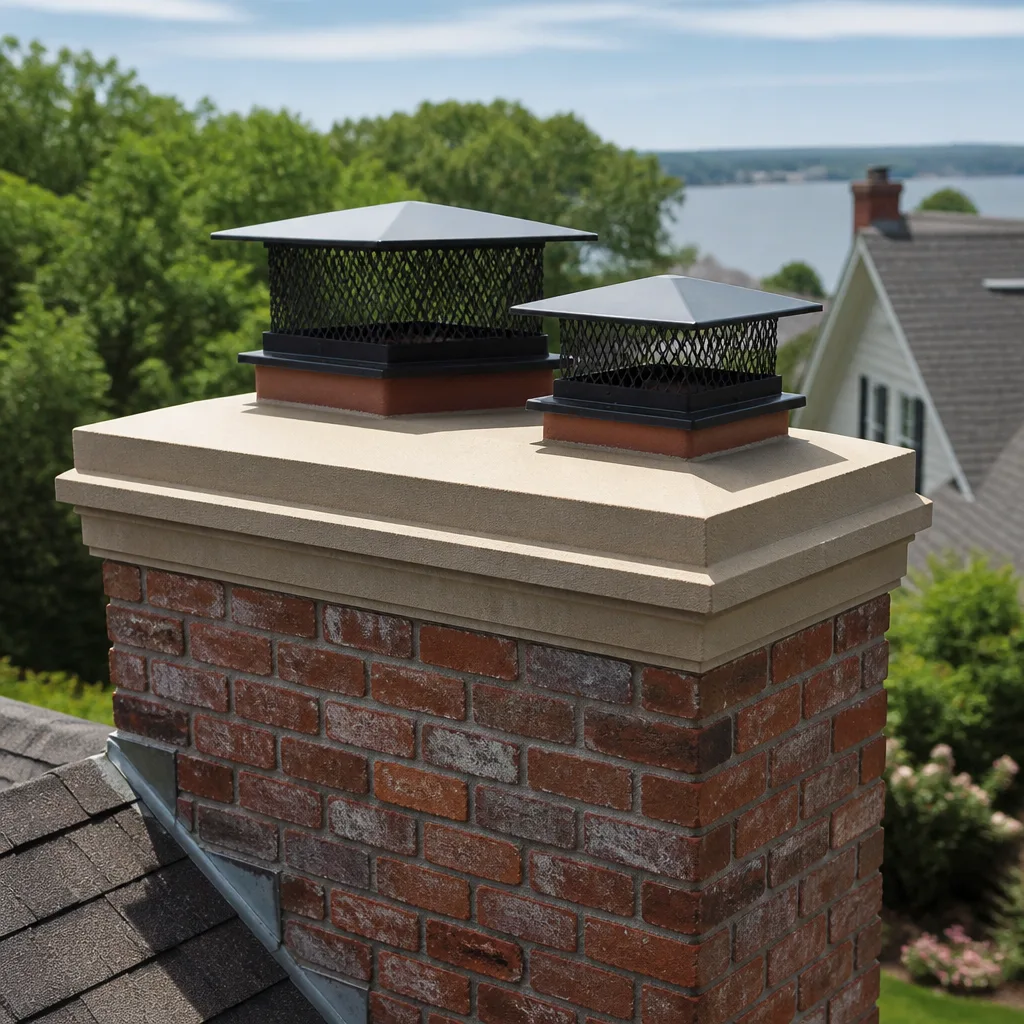 Caps & crowns
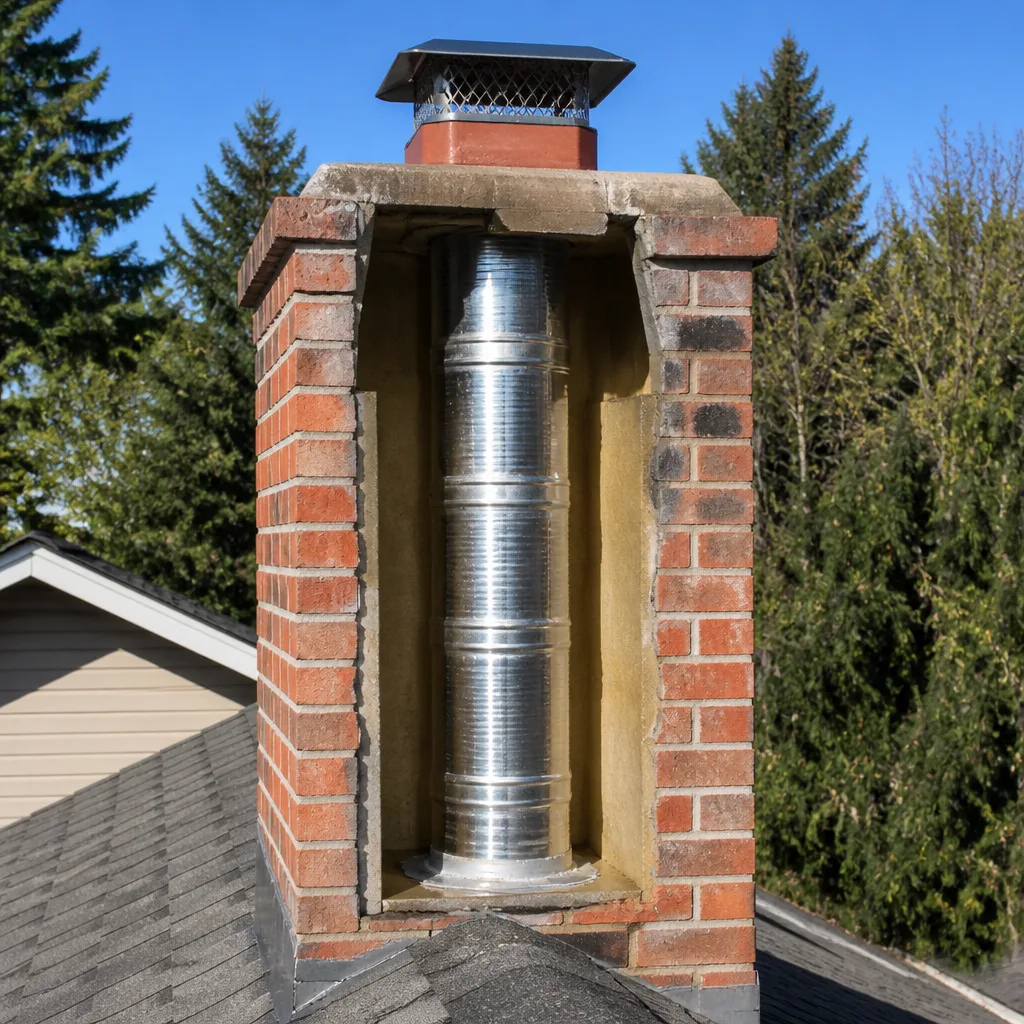 Flue relining
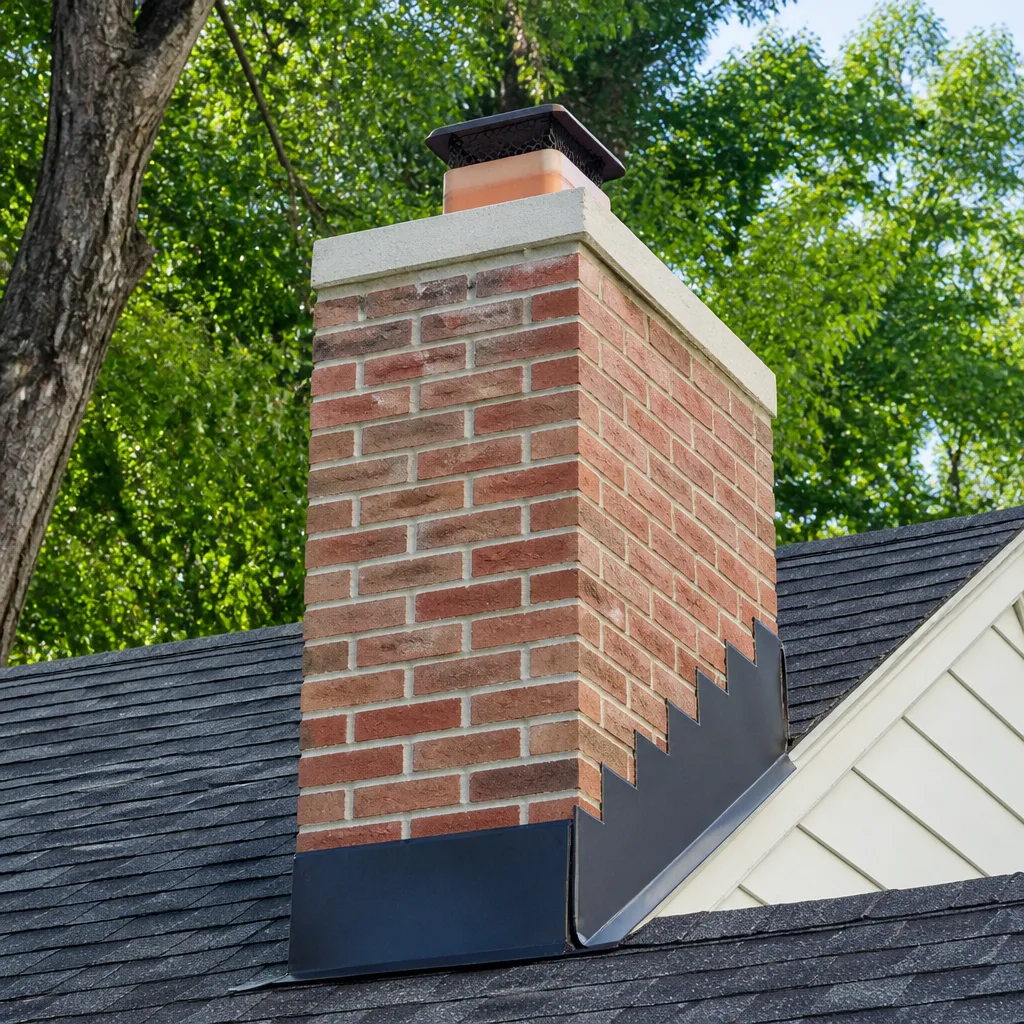 Masonry repair
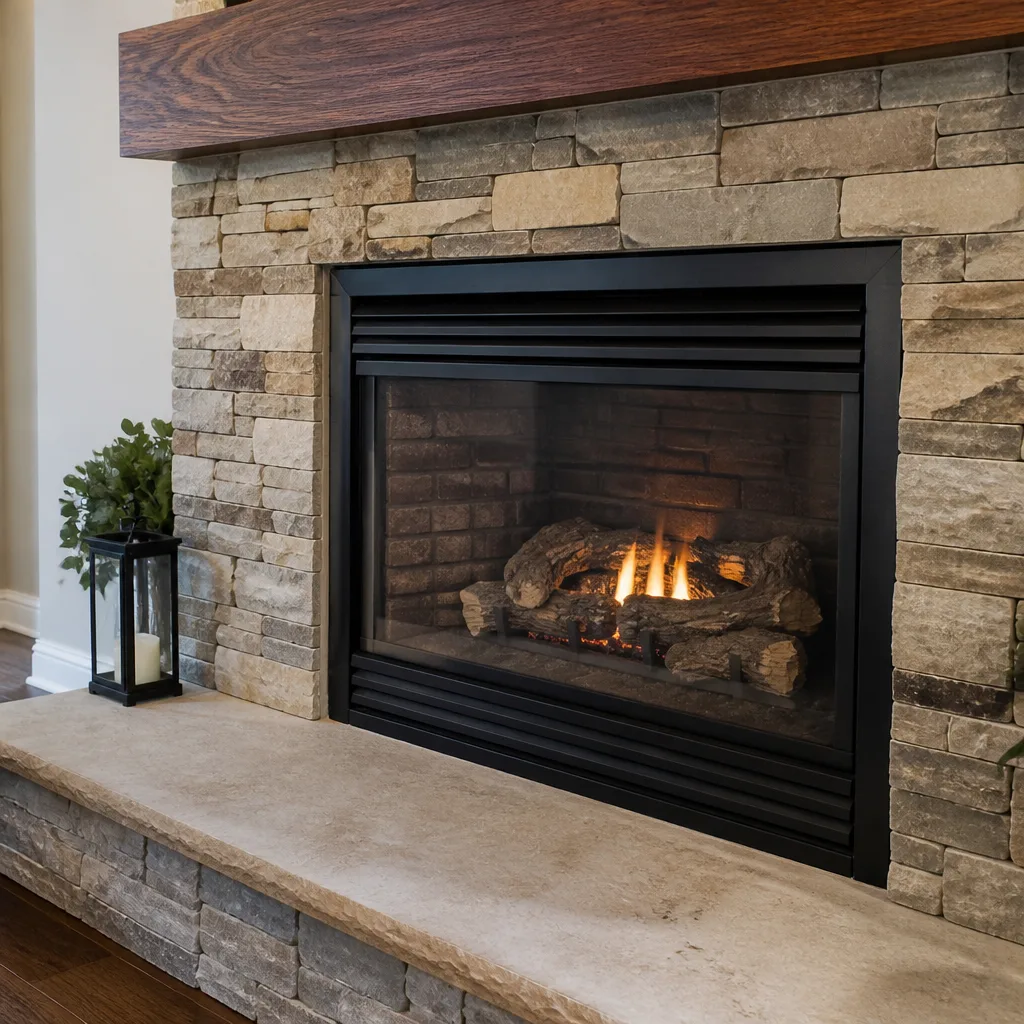 Gas fireplace service
Level 1 sweep and inspection to the NFPA 211 annual standard - flue, crown, cap, and flashing checked and photographed
Chimney sweep logs do not sweep chimneys. They loosen some creosote - which then falls where a brush and vacuum still have to collect it.
The Complete Guide to Chimney Cleaning in Chelsea
Most chimney fires don’t start because a homeowner ignored the chimney entirely. They start because someone cleaned it on the wrong schedule for the wrong fuel type, then trusted that sweep as a clean bill of health. A fireplace that burns two cords of wood a season and a gas insert that never sees a real flame have almost nothing in common when it comes to what creeps up the flue, yet both get written into the same annual routine. Chelsea makes this worse than most places. Pre-war co-ops, converted brownstones, and newer condos stack different flue systems within a few blocks of each other, and each one fails in its own way. This guide walks through what actually determines your cleaning schedule, who’s responsible in a multi-unit building, why the flue tiles get looked at before the brush comes out, and what the three inspection levels mean in practice.
Quick Answer
Chimney cleaning in Chelsea should be scheduled based on what you burn, not on a fixed calendar: wood-burning fireplaces generally want a sweep once a year or after every cord burned, gas inserts need an annual inspection even though there’s no soot to speak of, and decorative fireplaces need eyes on them periodically to catch water damage and blockages. In multi-unit Chelsea buildings, the first step is confirming whether your apartment has its own flue or ties into a shared one, because that changes both the cleaning method and who pays for it.
Styles & brands we work with
- Sweep & inspection
- Caps & crowns
- Flue relining
- Masonry repair
- Gas fireplace service
Table of Contents
- How Building Type Changes Chimney Cleaning in Chelsea
- Wood, Gas, or Decorative: Matching the Cleaning to the Fuel
- Why Flue Tile Condition Gets Checked Before Brushing
- Shared and Gang Flues in Older Chelsea Apartment Buildings
- CSIA Inspection Levels 1, 2, and 3 in Practice
- What a Chimney Sweep in Chelsea Actually Involves
- How Often Should You Schedule Cleaning?
- What Chimney Cleaning Costs in Chelsea
How Building Type Changes Chimney Cleaning in Chelsea
The single biggest variable in a Chelsea chimney job isn’t the chimney. It’s the building wrapped around it. A brownstone with a private flue serving one fireplace is a different project from a pre-war co-op where your firebox feeds into a stack shared with three other apartments. Knowing which one you have determines who you call, who authorizes the work, and how a technician gets access to the roof.
Pre-war co-ops
Many Chelsea co-op buildings date to the early twentieth century, and their chimneys were built for coal or wood and later retrofitted. In a co-op, the chimney stack and the roof are usually building property managed by the board, while the firebox and damper inside your unit sit on your side of the line. That split means a routine sweep of your own fireplace is often your call, but any work on the flue above the damper, the crown, or the cap needs board approval. Get that in writing before a technician shows up.
Converted brownstones and townhouses
A brownstone converted into multiple units often has several fireplaces tied to a smaller number of flues. When a building was carved up, some fireplaces stopped being connected to anything. A flue that once served one hearth can end up serving two, which stresses the liner and changes how the sweep needs to be done. This is exactly the kind of building where a Level 2 inspection pays for itself before anyone starts brushing.
Modern condos and new construction
Newer Chelsea condos usually run gas fireplaces with factory-built flues or direct-vent systems. There’s no creosote to scrape, but these systems still need annual inspection, and their caps, terminations, and venting get clogged by birds and debris just like any other. The cleaning looks different, but the reason to do it doesn’t change.
If you’re not sure which category your building falls into, the fastest path is a professional look. Our Chimney Sweep Chelsea team opens every visit by identifying the flue arrangement before any work starts.
Wood, Gas, or Decorative: Matching the Cleaning to the Fuel
The schedule that keeps one Chelsea fireplace safe can leave another one quietly deteriorating. What you burn dictates what builds up inside the flue and how often it has to come out.
- Wood-burning fireplaces. Wood produces creosote, the sticky, flammable residue that causes most chimney fires. Glazed creosote, the hard shiny kind, forms when a fire burns cool or the wood is unseasoned, and it doesn’t brush off easily. Schedule a sweep once a year at minimum, and sooner if you burn heavily or notice a reduced draft.
- Gas inserts and gas log sets. Gas produces very little soot, so many homeowners assume nothing needs doing. That’s the false sense of safety. Gas flues still collect debris, and a blocked or deteriorating vent can let carbon monoxide back into the living space. An annual inspection is the right call even when there’s nothing visible to clean.
- Decorative, non-working fireplaces. Chelsea has plenty of these, especially in older apartments where the firebox was sealed or the flue was capped. They still need periodic inspection to catch water intrusion, crumbling mortar, and animal nests. A decorative fireplace that’s never checked becomes a source of drafts and moisture damage that shows up as staining on interior walls.
The rule of thumb: wood gets swept on a fuel cycle, gas and decorative get inspected on a calendar. Neither schedule substitutes for the other.
Why Flue Tile Condition Gets Checked Before Brushing
Here’s the part most generic guides skip. In a Chelsea building from the 1920s or earlier, the terra cotta flue tiles lining the chimney may already be cracked, spalling, or separated at the joints. That matters because brushing a damaged flue makes the damage worse. Abrasive action on failing tile can break off pieces and open gaps that were holding together, and those gaps let combustion gases escape into the building.
That’s why a proper visit starts with a look, not a brush. The sequence we follow on older Chelsea chimneys:
- Confirm the flue arrangement and identify any shared connections.
- Run a camera down the flue to check tile condition, joints, and any mortar gaps.
- Note any offsets, blockages, or previous repair attempts.
- Only then decide whether a standard sweep is safe or whether the flue needs resurfacing first.
- Show you what the camera saw before recommending the next step.
When the tiles are sound, brushing goes ahead normally. When they aren’t, the repair comes first. HeatShield resurfacing is designed for exactly this situation: it rebuilds the inside of a damaged flue rather than replacing it, which keeps an original building’s structure intact. If the flue is badly compromised or irregularly shaped, a DuraFlex flexible liner may be the better fit because it can follow the flue’s actual path where a rigid liner won’t. Both are the kind of fix a sweep-only outfit can’t offer, which is why we handle the inspection and the repair under one roof.
Shared and Gang Flues in Older Chelsea Apartment Buildings
Walk into some Chelsea apartment buildings and you’ll find a gang flue, where several fireplaces feed into one large masonry stack. This was a common design in older buildings, and it complicates cleaning in ways a homeowner rarely anticipates.
First, access. Cleaning a shared flue from one apartment doesn’t clear the whole thing. Debris, creosote, and blockages can sit above or below your connection point, and a sweep from your firebox won’t reach them.
Second, safety. In a gang flue, a fire or a puff-back in one unit can affect every unit on the stack. Gases and smoke can cross between connections if the dampers or the joints aren’t sound. That makes the inspection more important than the sweep.
Third, responsibility. In a co-op, the shared stack is a building asset. Cleaning it means coordinating with the board, possibly with other shareholders, and scheduling roof access through building management. A technician can’t simply show up and start work on property the building controls.
In our experience, the most useful thing we can do for a Chelsea homeowner with a shared flue is map it first and tell you plainly what’s yours to maintain and what needs to go through the building. That keeps you from paying for a sweep that doesn’t solve the problem and from authorizing work the board hasn’t approved.
CSIA Inspection Levels 1, 2, and 3 in Practice
The CSIA inspection framework gets cited constantly and explained badly. Here’s what each level means when a Chelsea property is the subject.
Level 1: the routine annual check
A Level 1 inspection is a visual look at the accessible parts of the system: the firebox, damper, and as much of the flue as can be seen without tools or opening anything up. It’s appropriate when nothing has changed, the chimney has been maintained on schedule, and you’re not buying or selling the property. It’s the check that accompanies an annual sweep.
Level 2: the one that catches problems
A Level 2 inspection goes further with a camera and covers the accessible parts of the flue, plus the attic, crawlspace, and roof-level components where they can be reached safely. It’s the level that matters when something has changed: a new appliance, a fuel switch, a chimney fire, a rebuild, or a real estate transaction. In a Chelsea co-op or converted brownstone, a Level 2 is often the right baseline, because a camera shows what a visual check can’t and reveals tile damage before it becomes a repair.
Level 3: the diagnostic deep dive
A Level 3 inspection is done when a Level 2 identifies a problem that needs to be diagnosed before it can be fixed, and it may require removing parts of the chimney or building to get access. It’s not routine. It’s the step you take when a hidden defect has to be located and confirmed. In older Chelsea buildings, this is where a camera in the flue or an opening in a wall settles a question a visual inspection can’t.
Ask which level you’re getting before the visit. A sweep without a defined inspection level is a cleaning, not a diagnosis, and you want both.
What a Chimney Sweep in Chelsea Actually Involves
A good sweep is quieter, cleaner, and more thorough than most homeowners expect. Here’s the shape of a typical visit, so you know what to anticipate and what to ask about.
- Protect the room. Drop cloths and a containment setup keep soot out of the living space before any brushing starts.
- Inspect first. The flue gets checked for tile condition, blockages, and any previous repair, per the point above about older Chelsea flues.
- Brush the flue. The flue is cleaned with the right brush for its size, shape, and condition, along with the firebox and damper area.
- Clean up. Debris gets vacuumed out and removed, and the firebox is left ready to use.
- Camera and report. A camera inspection and a photo report are included, so you see the flue and not just our description of it.
- Flat-price quote. If we find something that needs fixing, the price of the repair is agreed before any work is booked, and the written estimate sets the final price.
We include the camera inspection and photo report because it’s the answer to the worry most Chelsea homeowners bring us: how do you know you’re not being sold work you don’t need? You look at the photos yourself and decide with the evidence in front of you. If the flue can wait another season, we’ll say so.
Our technicians have up to 11 years of experience, and the local pro we connect you with is licensed and insured as the state requires. If you’re ready to book, a chimney sweep is the place to start.
How Often Should You Schedule Cleaning?
There’s no single answer for every Chelsea home, but the guidance below covers almost every situation. Use it to set your own schedule, then adjust with what the inspection finds.
- Wood-burning, occasional use: once a year, at minimum.
- Wood-burning, heavy use: whenever a cord of wood has been burned, or sooner if draft drops or you notice buildup.
- Gas inserts and logs: an annual inspection, even though there’s no soot to remove.
- Decorative fireplaces: an inspection every couple of years, or sooner if you see staining, drafts, or water damage.
- After any chimney fire: a Level 2 inspection before the chimney is used again, no exceptions.
- Before buying a Chelsea co-op or brownstone: a Level 2 inspection as part of due diligence.
The schedule follows the fuel and the building, not a blanket rule. A gas fireplace in a newer condo and a wood-burning brownstone fireplace are on different clocks, and the yearly habits you grew up with may not match the flue you actually have.
What Chimney Cleaning Costs in Chelsea
Pricing for chimney work in Chelsea depends on the building and the fuel type more than on any single flat rate. Below are typical estimated ranges for common jobs, so you have a number to plan around. The written estimate sets the final price, and the estimate is free.
| Service | Typical estimated range |
|---|---|
| Standard chimney sweep, single flue | $150 – $300 |
| Level 2 inspection with camera | $200 – $450 |
| Gas insert inspection | $120 – $250 |
| Flue resurfacing (HeatShield) | $1,800 – $3,500 |
| Flexible liner install (DuraFlex) | $2,800 – $6,500 |
| Chimney cap and crown work | $300 – $1,200 |
Ranges shift with access. A chimney that opens onto a flat roof and a clean firebox is a straightforward job. A brownstone where the technician has to route through a co-op board’s roof schedule, or a job that needs chimney cap & crown repair along with the sweep, takes longer and costs more. We quote per job for that reason, and we agree the flat price with you before booking.
When a repair does come up, we tell you whether it can safely wait. Not every cracked crown needs replacing this month, and not every flue tile gap needs resurfacing today. Structural work like chimney repair should be sequenced on the evidence, not on a sales pitch.
Common Mistakes to Avoid
- Assuming a clean sweep means a safe chimney. Sweeping removes creosote; it doesn’t inspect the flue. If nobody ran a camera, you don’t actually know the tile is sound, and in older Chelsea buildings that’s the difference between clean and safe.
- Using the same schedule for gas and wood. A gas insert doesn’t produce creosote, but it does need an annual inspection. Skipping it because “there’s nothing to clean” is how carbon monoxide problems go unnoticed.
- Letting a technician sweep a shared flue before mapping it. In a co-op or conversion, brushing from one firebox won’t clear the full stack, and it may disturb property the building controls. Map the flue first.
- Ignoring the crown and cap. Water intrusion and animal entry are the most common sources of long-term chimney damage in Chelsea’s older buildings. A failing crown rarely announces itself until the masonry above it starts to go.
- Buying a co-op without a Level 2 inspection. A visual check can miss tile damage, a blocked flue, or a firebox that’s been sealed off. In a conversion, that’s a repair you inherit after closing.
- Cleaning before checking. Brushing a flue with cracked or separated tiles can make the damage worse. Inspect first, brush second, every time.
- Treating a decorative fireplace as out of sight, out of mind. A sealed, unused firebox still collects debris and moisture. An occasional inspection catches the problem before it shows up as a stain on the wall.
See the difference
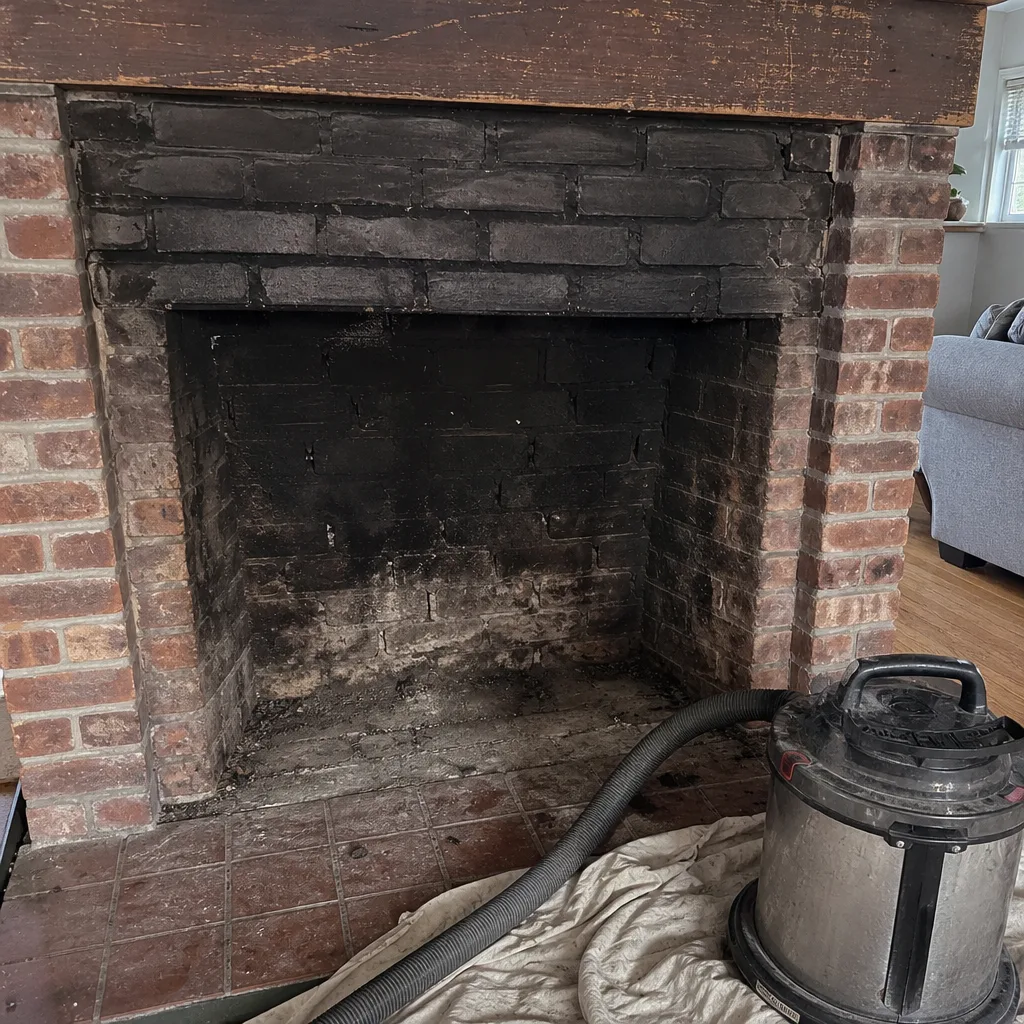 Before
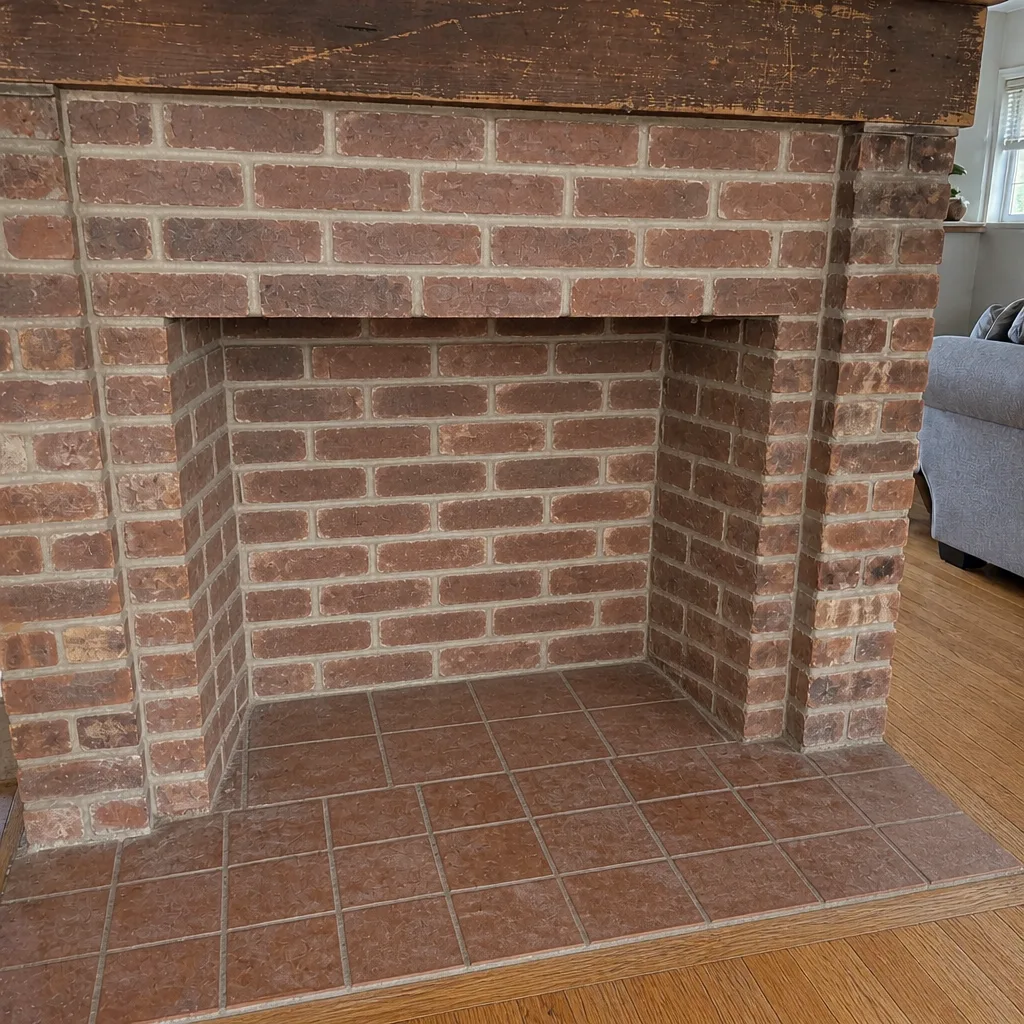 After
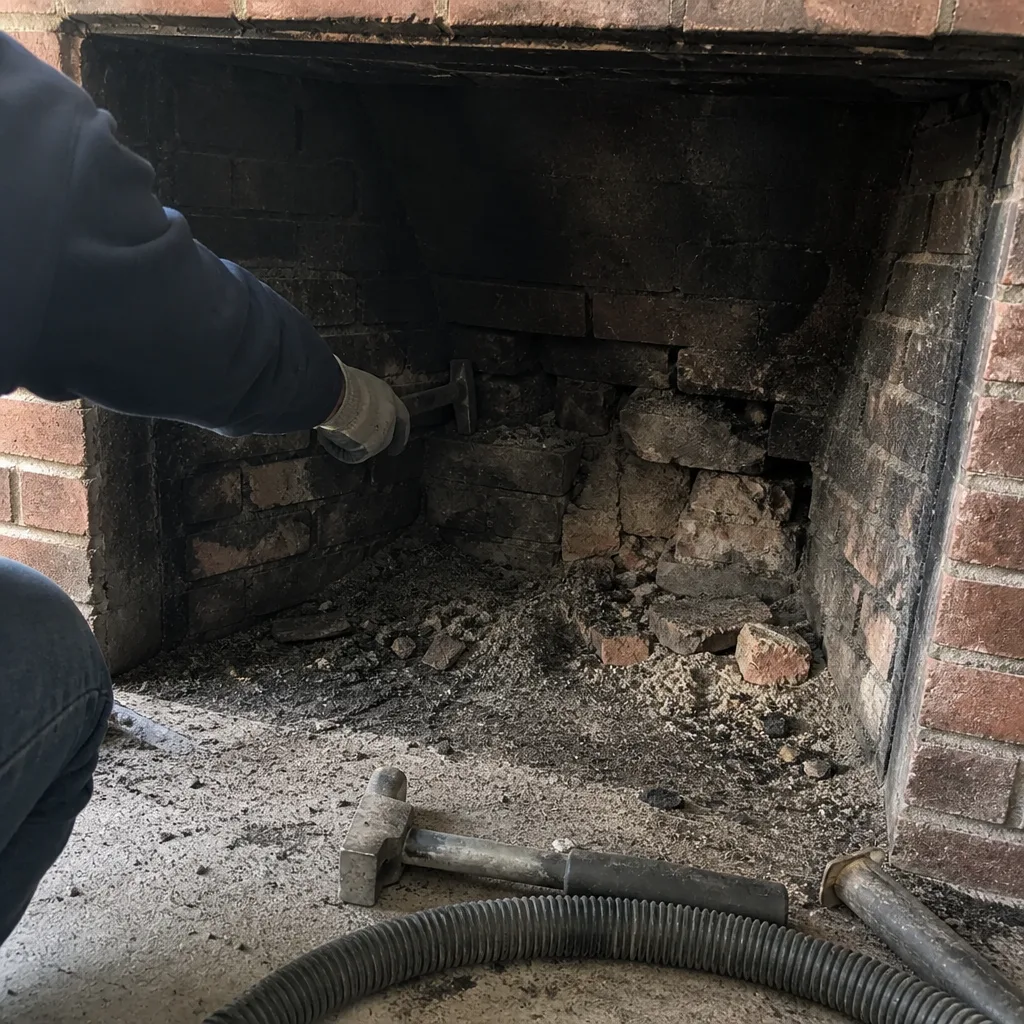 Before
 After
 Before
 After
When to Call a Professional
Some chimney work is a homeowner’s decision and some isn’t. Call a professional if you’ve had a chimney fire, even a small one; if you smell smoke or creosote in the room when the fireplace isn’t burning; if the draft weakens, you see a creosote glaze, or the walls stain; if you switch fuels or add an insert; if you’re buying or selling a Chelsea property; or if the chimney has never been inspected since you moved in. High-tension components aren’t the only danger here: a blocked flue can let carbon monoxide into a living space, and that’s not a problem to diagnose by guesswork. A trained technician with a camera and the right tools is the only way to know for sure. Chimney Sweep Chelsea offers free estimates in Chelsea – call (866) 937-8809. We answer 24/7. Fast dispatch from 7am to 7pm, Sunday through Friday.
Frequently Asked Questions
A standard chimney sweep in Chelsea typically runs $150 to $300 for a single flue, with a Level 2 inspection that includes a camera costing more. Building access, shared flues, and any cap or crown work can push the range up. The written estimate sets the final price, and the estimate is free. Call (866) 937-8809 for an exact quote.
A wood-burning fireplace in a Chelsea co-op should be swept once a year or after every cord of wood burned, and a gas insert should be inspected annually. Shared and gang flues in older buildings need to be mapped first, because the schedule can differ unit to unit. Call (866) 937-8809 to book an inspection.
It depends on your building. The firebox and damper inside your unit are typically the shareholder’s responsibility, while the flue above the damper, the crown, and the cap are usually building property managed by the board. Confirm the line with your board before booking work that touches shared components. Call (866) 937-8809 and we can help you sort out what’s yours to maintain.
Because brushing a flue with cracked or separated terra cotta tiles can make the damage worse. In older Chelsea buildings, the tile is often original to the construction, so a camera check has to come before any brush goes down. That inspection is what tells you whether the flue is safe to clean. Call (866) 937-8809 to book an inspection first.
Gas fireplaces need an annual inspection even though there’s no creosote to remove. Blocked or deteriorating vents can let carbon monoxide back into the living space, which is why the check matters more than the cleaning. Call (866) 937-8809 for a gas insert inspection.
Level 1 is a routine visual check of accessible parts, done with an annual sweep. Level 2 adds a camera and covers the flue, attic, crawlspace, and roof-level components, and it’s the right baseline for buying a Chelsea property, after a fire, or after any change to the system. Level 3 is a diagnostic deep dive used when a Level 2 finds a problem that needs confirming. Call (866) 937-8809 to ask which level your chimney needs.
The Bottom Line
Chimney cleaning in Chelsea comes down to matching the schedule to the fuel and the building, not to a flat calendar rule. Wood-burning fireplaces get swept on a fuel cycle, gas and decorative fireplaces get inspected on a yearly schedule, and older buildings get a camera check before the brush. Building type decides who’s responsible, whether it’s a private brownstone flue or a gang flue in a pre-war co-op, and the CSIA inspection level tells you how deep that check has to go. Get the inspection right, look at the evidence, and you’ll know exactly what your chimney needs – and what it can safely wait on. For a free estimate in Chelsea, call (866) 937-8809. We answer 24/7. Fast dispatch from 7am to 7pm, Sunday through Friday.
Written by the team at Chimney Sweep Chelsea.