
Last updated November 25, 2026
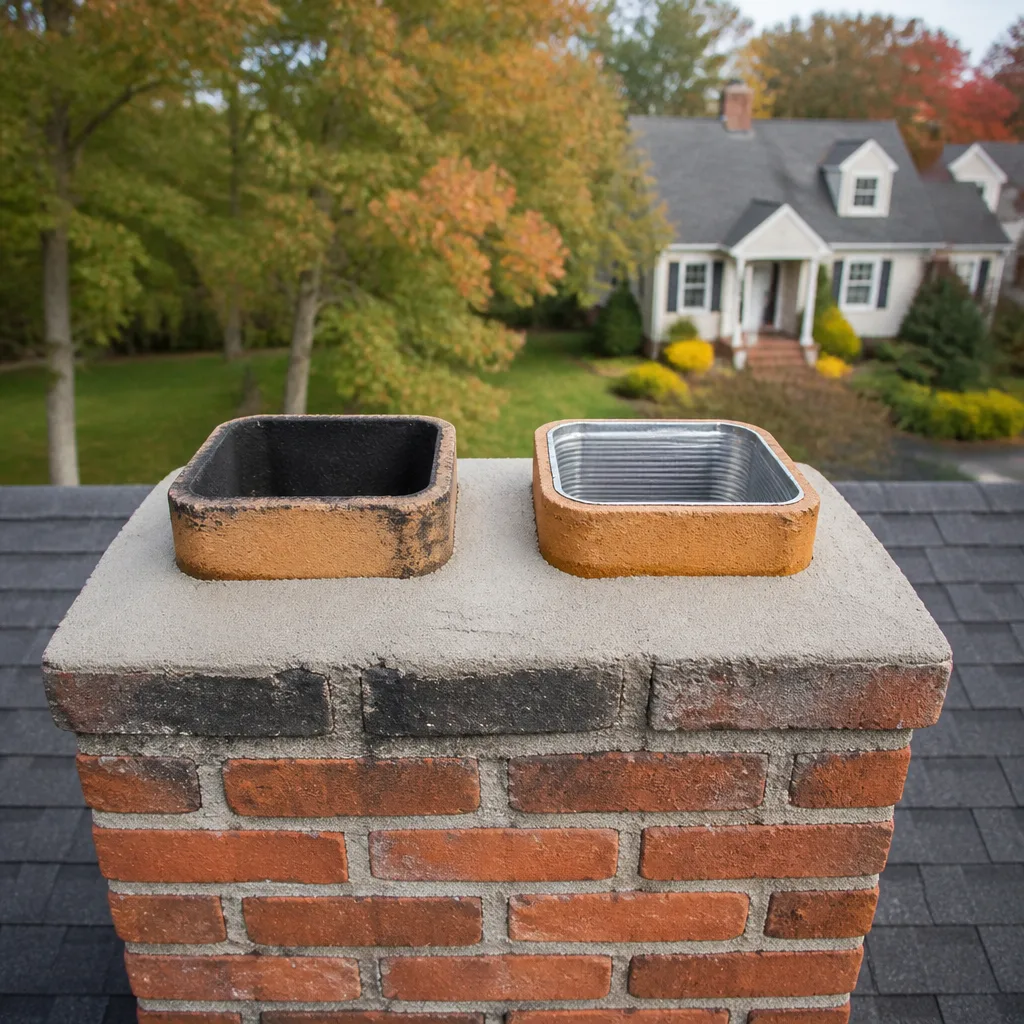 Sweep & inspection
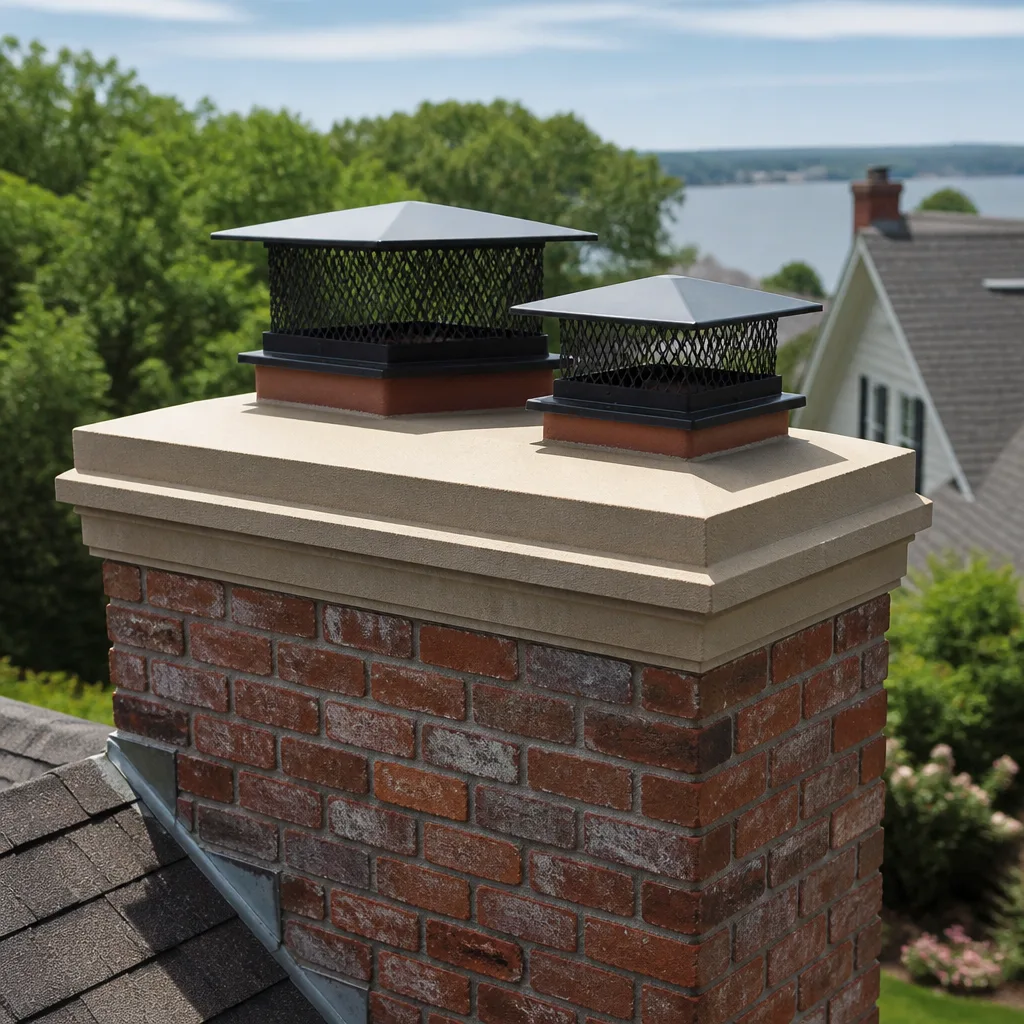 Caps & crowns
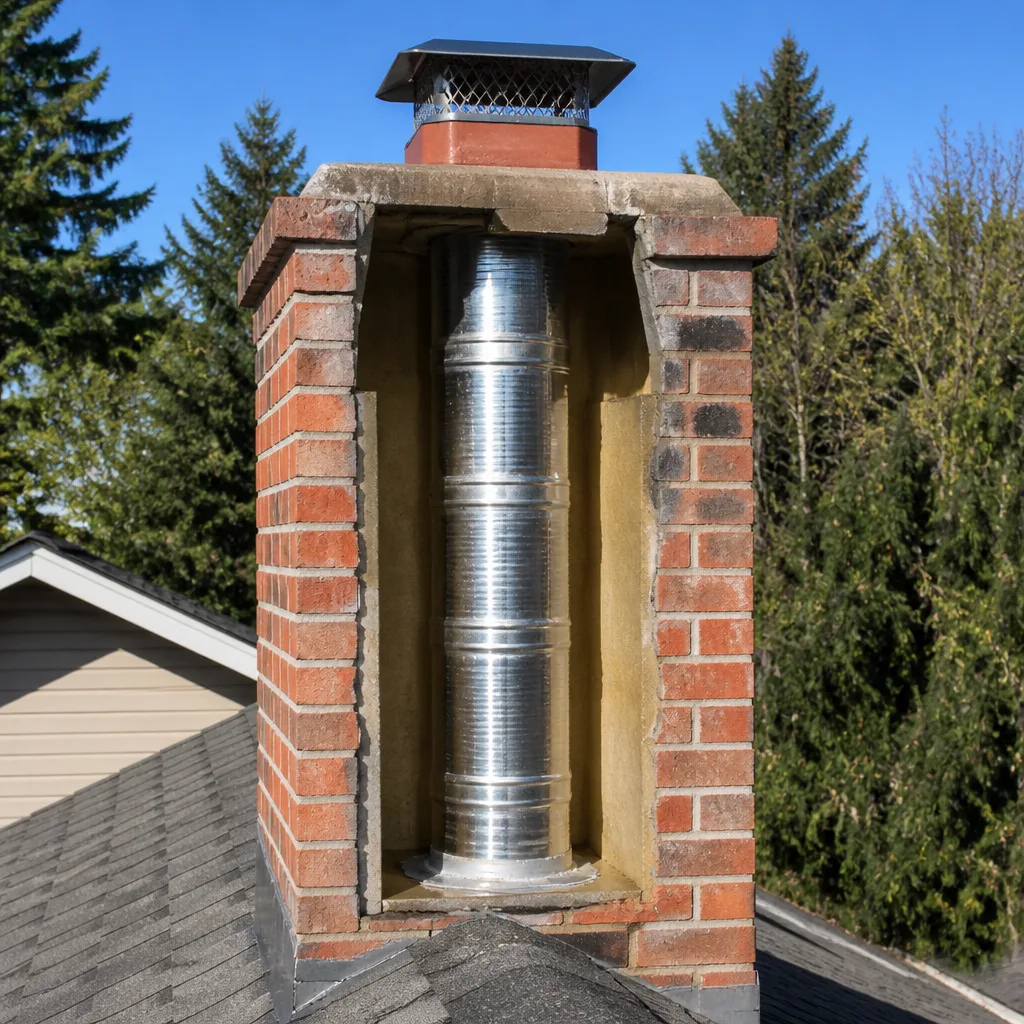 Flue relining
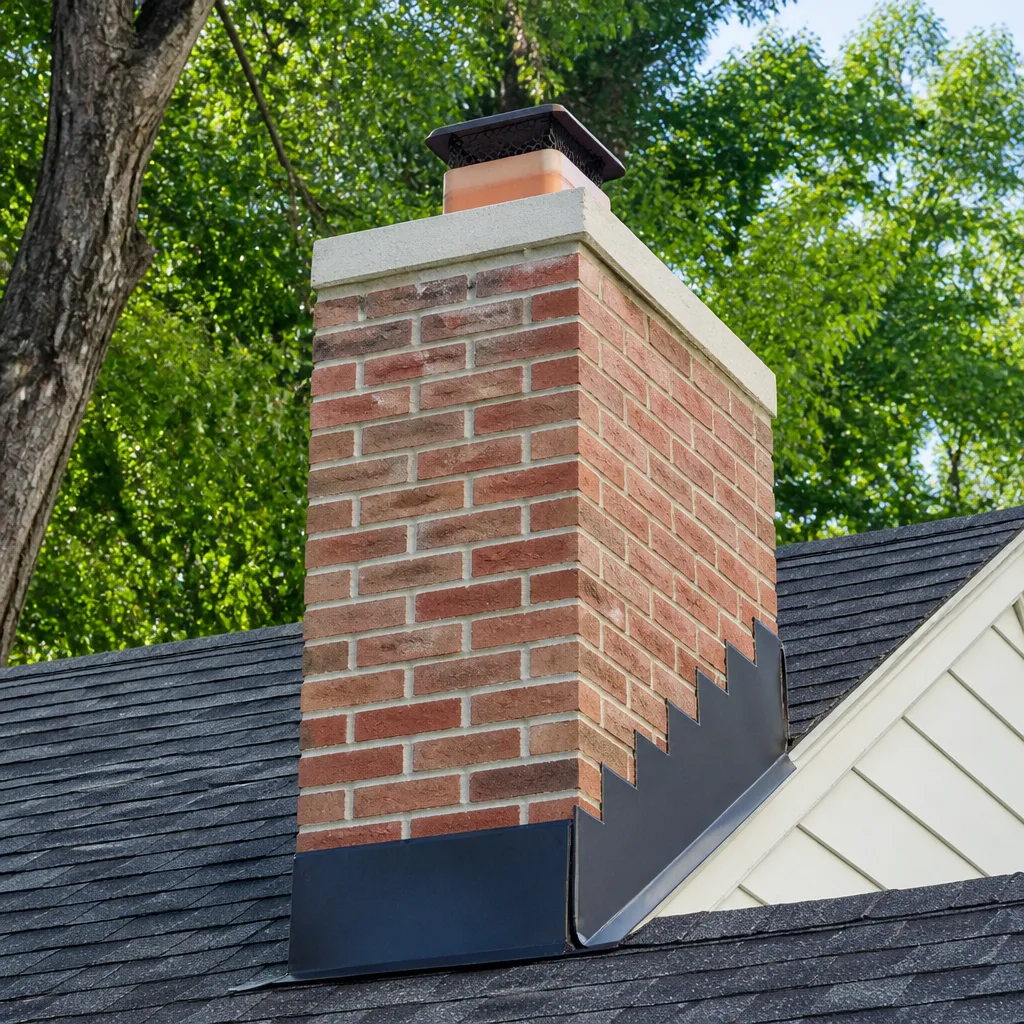 Masonry repair
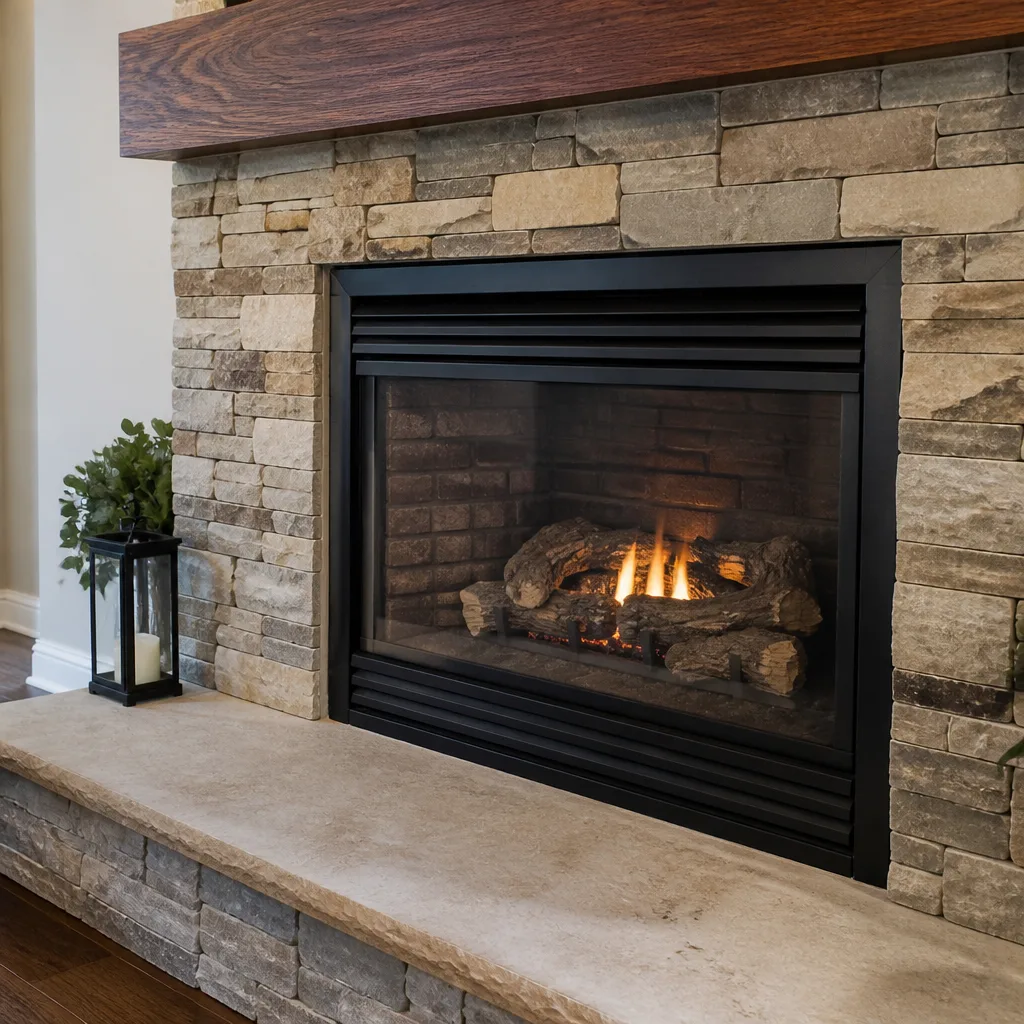 Gas fireplace service
Level 1 sweep and inspection to the NFPA 211 annual standard - flue, crown, cap, and flashing checked and photographed
Chimney sweep logs do not sweep chimneys. They loosen some creosote - which then falls where a brush and vacuum still have to collect it.
DIY vs Professional Chimney Cleaning: The Chelsea Homeowner’s Decision Guide
The chimney brush kits sold online are real, functional tools. A poly brush on a flexible rod will absolutely knock loose soot off a flue wall. The problem isn’t the equipment. It’s that cleaning a flue without inspecting it is like changing your oil without checking the coolant: you’ve done maintenance, but you haven’t done safety. Soot removal and chimney safety are two different jobs, and in Chelsea, NY, the second one is where things get complicated. This guide walks through what DIY brushing can realistically accomplish, where it stops being a reasonable option in Chelsea’s housing stock, and how to decide honestly which route fits your fireplace.
Quick Answer
DIY chimney brushing is technically possible for a narrow category of Chelsea homeowners: single-story homes with a straight, easily accessed wood-burning flue used lightly and already known to be in sound condition. For most Chelsea residents, the reality of brownstone flue heights, rooftop access rules in co-ops and pre-war buildings, shared flues, and the inspection gap makes professional cleaning the safer and often the only practical choice. A brush removes soot; it cannot tell you whether your liner is cracked or your combustion gases are venting correctly.
Styles & brands we work with
- Sweep & inspection
- Caps & crowns
- Flue relining
- Masonry repair
- Gas fireplace service
Table of Contents
- Why Chelsea’s Housing Stock Changes the Math
- What a DIY Brush Sweep Can and Cannot Accomplish
- What “Professional-Grade” Actually Means
- The Liability Reality for Chelsea Homeowners
- The Narrow Cases Where DIY Maintenance Makes Sense
- How a Professional Sweep Actually Goes
- How to Choose a Chimney Professional in Chelsea
- Common Mistakes to Avoid
- When to Call a Professional
- Frequently Asked Questions
Why Chelsea’s Housing Stock Changes the Math
The DIY question rarely comes down to willingness. It comes down to geometry. In a town like Chelsea, most of the housing was never built with a homeowner in mind who’d climb onto the roof with a brush kit and a ladder. The buildings themselves set limits before you ever open the box.
Three structural factors come up again and again in Chelsea:
- Flue height in brownstones and walk-ups. A brownstone flue often runs two or three stories before it clears the roofline and then adds several feet of stack above that. Consumer brush kits are typically built for a 20- to 30-foot run. Once you’re feeding a rod through a flue longer than the kit’s capacity, you’re improvising, and improvised chimney rods snap or whip against the liner.
- Rooftop access rules in co-ops and pre-war buildings. If your building is a co-op or a multi-unit pre-war, the roof is generally common area. That means access isn’t yours to grant yourself. Most buildings require management approval, sometimes notice to other shareholders or tenants, and often an insurance certificate from anyone working up there. A homeowner with a brush kit has none of that, and building rules in Chelsea tend to be enforced.
- Shared flues. Pre-war buildings frequently route multiple apartments into a single masonry chimney with separate flue channels. Brushing one channel in a shared stack without understanding how the channels interlock risks pushing soot into a neighbor’s flue or dislodging debris that blocks an adjacent vent. It’s the kind of problem that shows up as a complaint from downstairs, not a warning at the time.
There’s a fourth factor specific to Chelsea’s older building stock: parapets, setback roofs, and skylights. Even where roof access is permitted, the walkable area and tie-off points are often nothing like the clean sloped roof a generic DIY video assumes. We’ve seen plenty of Chelsea chimneys where the physical approach to the crown is the hard part, not the brushing.
What a DIY Brush Sweep Can and Cannot Accomplish
A brush sweep removes loose, dry soot and some light creosote from the accessible flue walls. That’s genuinely useful, and it’s the entire scope of what a consumer kit can do. Everything past soot removal is a separate job the brush never touches.
Here’s the honest split:
What a DIY brush sweep can do:
- Knock loose soot off flue walls in a straight, unobstructed flue
- Remove light, powdery creosote from the upper flue on a well-maintained fireplace
- Improve draft slightly when the flue is only lightly soiled
- Let you confirm that a flue is physically open from the top and the firebox
What a DIY brush sweep cannot do:
- Assess liner condition. A brush glides over a cracked tile or a heat-damaged liner without telling you a thing.
- Identify structural cracks in the mortar, crown, or smoke chamber. Those require getting eyes and a camera into places a rod from above can’t reach.
- Evaluate combustion gas venting. Whether flue gases are actually leaving the building safely, rather than backing up or leaking into adjacent spaces, is a draft and pressure question a brush can’t answer.
- Detect glazed, hardened creosote. Stage-three creosote bonds to the flue wall and requires rotary cleaning equipment. A hand brush slides right over it.
- Produce a record. If you ever need documentation of the chimney’s condition, a DIY sweep leaves you with nothing.
That gap is the whole argument. The dangerous chimney problems aren’t the ones a brush fixes; they’re the ones a brush passes right by. A professional chimney sweep is a cleaning job plus an inspection, and the inspection is the part that protects your home.
What “Professional-Grade” Actually Means
When we say we use professional-grade tools, it’s not marketing shorthand for “nicer brushes.” It’s a different category of equipment that solves problems a consumer kit can’t touch. Homeowners who’ve only seen the retail version often don’t realize how much of a professional sweep happens outside the flue itself.
Four equipment differences matter most:
- Camera systems. A professional inspection camera goes down the flue and returns a live picture of the liner interior, the smoke chamber, and the top of the firebox. Cracks, gaps, and offset joints that a brush glides over show up clearly on camera. This is what lets a professional tell you what’s actually happening inside your Chelsea chimney, not just whether it’s dirty.
- Industrial vacuums with HEPA containment. A consumer shop vac blows fine soot back into the room. A HEPA-filtered industrial vacuum captures it and keeps it there, which is why a professional sweep doesn’t leave a film of soot on your furniture. In a Chelsea brownstone with a shared living area near the fireplace, that difference is the whole experience.
- Rotary cleaning systems. A hand brush removes loose soot. A rotary system – a spinning head on a flexible shaft – removes hardened creosote and glazed deposits that a brush can’t budge. Without rotary capacity, a heavily used fireplace never actually gets clean.
- Material systems for repair. Cleaning is one category; putting the chimney back in condition is another. Products like DuraFlex flexible liners and HeatShield resurfacing exist specifically because some flues can’t be repaired with generic materials. DuraFlex lets a professional reline an irregular or offset flue where a rigid system won’t fit, which is a real condition in Chelsea’s older stacks. HeatShield resurfacing restores a damaged liner from the inside without full replacement. We install and work with these systems, along with Olympia Chimney and Famco components, because safety in a chimney depends on what goes into it, not just who cleans it. If repair surfaces during a sweep, we handle the chimney repair rather than referring you out.
Also worth naming: the stuff at the top of the chimney. Caps and crowns are where water gets in and animals get down, and they’re the most common source of long-term chimney damage. Proper chimney cap & crown work uses correctly sized and correctly seated components, and a homeowner without the right parts ends up with a cap that looks fine and leaks at the seam.
The Liability Reality for Chelsea Homeowners
Here’s the part most DIY guides skip: insurance. If a chimney-related fire or carbon monoxide incident happens and you’ve been doing your own chimney maintenance, the claim can get complicated fast. We can’t tell you what your specific policy says, because it varies by carrier and by policy. But the general pattern in homeowners insurance is worth understanding before you decide.
A typical homeowners policy covers fire damage and includes a duty to maintain the property in reasonable condition. Where a loss traces back to neglected or improperly maintained chimney, an insurer may dispute the claim on the grounds that the loss was preventable. In a building with shared flues and multiple units, a chimney fire that starts in one flue can affect the whole stack, which expands the exposure considerably.
What DIY brushing actually does to that picture is subtler than “you voided your insurance.” Documented maintenance tends to help, not hurt. The problem is what’s not documented: a DIY sweep doesn’t record the liner condition, doesn’t flag the crack that was already there, and doesn’t produce a professional assessment showing the chimney was in known, documented condition. If a claim gets scrutinized, you want the paper trail of a professional inspection behind you. You don’t get that from a brush kit.
We’re not your insurer and we’re not giving legal or coverage advice. The practical point is this: if chimney maintenance and fire claims are a concern, ask your carrier directly what documentation they’d want. The answer almost always points toward professional inspection records.
The Narrow Cases Where DIY Maintenance Makes Sense
We’re not going to tell you professional service is the only route for every Chelsea homeowner, because that’s not honest either. There is a real category where DIY maintenance is appropriate and useful. It’s just narrower than most people assume.
DIY is a reasonable fit when all of these are true:
- Your fireplace is a single-story installation with a flue you can actually access safely, with no rooftop climbing and no shared stack
- The flue is straight and known to be in sound condition from a prior professional inspection
- You use the fireplace infrequently and lightly
- You’re comfortable with the mechanical task and have the right size brush for the flue
Even in that narrow case, we’d steer you toward the maintenance tasks that are genuinely safe and genuinely worth doing yourself. Four tasks do make sense:
- Damper checks. Open and close the damper before every fire. It should move freely and seat fully. A stuck-open damper wastes heat; a stuck-closed one sends smoke into the room.
- Visual firebox inspection. Before lighting a fire, look at the firebox walls and floor for loose mortar, fresh cracks, or crumbling brick. Note anything that changes and get it looked at professionally.
- Cap monitoring. From the ground, check that your chimney cap is still seated, the screen is intact, and nothing is nesting in it. A loose cap means water and animals can get in. Catch it early and the fix is small.
- Ash and debris clearing. Emptying the ash pan and clearing debris from the firebox floor is safe, easy, and keeps your fire burning cleanly.
Here’s the hard stop. Everything beyond those four tasks needs professional eyes. That includes anything involving the flue interior above the firebox, the smoke chamber, the crown, the liner, or any hint of a draft or venting problem. If you’re not sure whether a task belongs on the safe list or the professional list, it belongs on the professional list.
How a Professional Sweep Actually Goes
Knowing what a professional sweep involves helps you see exactly what a DIY brush skips. A real sweep at a Chelsea property generally follows a consistent sequence, and every step after the brush is where the safety value lives.
- Set up containment. Drop cloths go down, and the HEPA vacuum gets connected to the firebox. From this point, soot goes into the machine, not into the room.
- Sweep the flue. The appropriate brush – sized to the flue – runs the length of the flue. If hardened creosote is present, a rotary system follows to break it down.
- Camera-inspect the liner. This is the step a brush kit omits entirely. The camera looks for cracks, gaps, offset joints, and heat damage. Every finding is visible to you, and the photo report goes to you.
- Inspect the firebox, smoke chamber, and crown. Structural checks catch mortar deterioration, crown cracks, and liner damage before they become expensive problems.
- Check venting and draft. A visual and pressure check confirms combustion gases are leaving the building as they should.
- Report findings and give a written estimate. Anything found is explained with evidence, and any recommendation for repair comes with a fixed written price. Nothing is done without your approval.
A camera inspection and a photo report come with every professional sweep we do, which means you see what we see. It’s the difference between “the chimney looks clean” and “here’s the picture of your liner and what condition it’s in.” When nothing needs repair, we say so, and you book the next sweep on a normal schedule.
How to Choose a Chimney Professional in Chelsea
If you decide the professional route is right for your fireplace, a little screening goes a long way. Chimney work is a small industry and not everyone who shows up with a brush is a chimney company. Here’s what to look for.
- Ask whether they’re a chimney company or a generalist. Plenty of handymen sweep chimneys on the side. A chimney-only company lives and dies on what it finds in flues and knows the building patterns specific to Chelsea homes.
- Ask about camera inspection. If a sweep doesn’t include a camera inspection of the liner, you’re getting cleaning without the safety half of the service.
- Ask about material brands. When repair surfaces, the materials matter. A company that installs DuraFlex, HeatShield, Olympia Chimney, and Famco products has a range of options, which means they can fit the right system to your flue rather than force your flue to fit one product.
- Ask for a written estimate before work starts. The right way to price chimney work is a flat price agreed before booking, plus the estimate free. If the first quote you see is delivered while someone’s standing over you, walk away.
- Confirm one company handles the full scope. A sweep that finds a cracked liner and then hands you off to another contractor costs you time and loses continuity. One company for the sweep, the inspection, and any repair keeps responsibility in one place.
- Check that technicians are experienced and licensed and insured as their state requires. Ask.
One note on Chelsea specifically: if you live in a co-op or multi-unit building, confirm before booking that the company is prepared to provide any insurance certificate or building documentation management will ask for. A company that hasn’t dealt with Chelsea building access rules before may stall out at the roof.
Common Mistakes to Avoid
- Treating the brush as the whole job. Brushing without inspection gives you a clean-looking firebox and no idea whether the liner is safe. The cleaning is half the value; the inspection is the half that catches problems.
- Brushing a shared flue in a pre-war building. In a multi-unit Chelsea building, soot knocked loose in your flue can end up as trouble in a neighbor’s. Get the building’s rules and the flue arrangement sorted before you touch a rod.
- Assuming a rooftop climb is allowed. In a co-op or walk-up, getting on the roof may require management approval and an insurance certificate. Don’t assume access; ask first.
- Ignoring hardened creosote. A brush slides over glazed, stage-three creosote, and that’s exactly what a hand brush can’t fix. If a professional inspection hasn’t looked at the flue, you don’t actually know whether that’s what you’re dealing with.
- Forgetting the cap and crown. The most common sources of long-term chimney damage are water intrusion and animal entry, and both start at the top. A cap check from the ground costs nothing and catches small problems early.
- Booking the cheapest sweep and skipping the camera. A price without a camera inspection is a discounted half-service. The camera is what turns a sweep into a safety check.
- Reading a generic DIY video as a Chelsea guide. Most DIY chimney videos are filmed on a flat, easily accessible roof and don’t account for brownstone height, shared stacks, or building access rules. The equipment works; the conditions rarely match.
When to Call a Professional
There are clear signals that it’s time to stop deciding and start booking. Call a professional if any of the following apply: the chimney is a shared stack or runs through a multi-unit building, the flue rises more than a single story, you’ve noticed draft problems or smoke backing into the room, you’ve never had the liner inspected, the fireplace gets heavy use, or you’ve seen cracking in the firebox or crown. If you’re in a Chelsea co-op or brownstone and the roof isn’t yours to access, that alone settles it.
We tell Chelsea homeowners exactly what we find and show the evidence before recommending any work, and we’ll tell you plainly when something can safely wait. Chimney Sweep Chelsea offers free estimates in Chelsea; call (866) 937-8809. We answer 24/7. Fast dispatch from 7am to 7pm, Sunday through Friday.
Frequently Asked Questions
Generally no. In a Chelsea co-op the roof is usually common area, so access requires management approval, and many buildings require an insurance certificate from anyone working up there before they let a contractor on the roof. Even setting that aside, shared flues in multi-unit buildings make a DIY brush sweep risky because soot can move between flue channels. The practical answer is to book a professional sweep and let the building and the flue be handled correctly.
It removes loose soot, which helps, but it doesn’t make the chimney safer in the way that matters most. Safety at a chimney level comes from knowing the liner is intact, the crown is sound, and combustion gases are venting correctly, and a brush can’t assess any of those. Without an inspection, a DIY sweep gives you a cleaner flue and an unknown level of risk. A camera inspection is the part that closes the gap.
A professional sweep includes the cleaning plus a camera inspection of the liner, structural checks of the firebox and crown, a venting and draft check, and a photo report of what was found. DIY gives you the cleaning alone. Professional equipment also goes beyond a hand brush, with HEPA-contained industrial vacuums and rotary cleaning systems that remove hardened creosote a brush can’t touch.
It can complicate a claim if a chimney-related fire or carbon monoxide incident follows undocumented maintenance. Policies vary by carrier, so it’s worth asking your insurer directly what documentation they’d want for chimney maintenance, but the general pattern is that documented professional inspection records help and undocumented DIY work doesn’t. A professional inspection leaves you with a clear paper trail of the chimney’s condition. Call (866) 937-8809 for a free estimate.
Yes, but only four: damper checks, visual firebox inspections, cap monitoring from the ground, and clearing ash and debris. Everything else, including anything involving the flue interior above the firebox, the smoke chamber, the crown, the liner, or any draft problem, needs professional eyes. If you’re unsure whether a task fits the safe list, it belongs on the professional list.
The common rule of thumb is once a year for a chimney in regular use, with more frequent sweeping for heavy fireplace use. Older Chelsea properties with masonry stacks may benefit from an annual inspection even when a sweep isn’t due. The right answer depends on the flue and how it’s used, and a professional inspection will tell you when the next sweep is actually due. Call (866) 937-8809 for an exact quote; estimates are free.
The Bottom Line
A chimney brush kit is a real tool, and DIY chimney maintenance has a legitimate home in the narrow case of a single-story, easily accessed, well-maintained flue used lightly. In Chelsea’s actual housing stock, those conditions rarely line up. Brownstone flue heights, co-op and pre-war rooftop access rules, shared stacks, and the inspection gap all push the decision toward professional service. The professional value isn’t just the cleaning; it’s the camera inspection and the record it leaves. Own the four small maintenance tasks that make sense. For everything else, let someone with the equipment and the trained eye see what’s actually going on in your flue. Call (866) 937-8809. We answer 24/7. Fast dispatch from 7am to 7pm, Sunday through Friday.
For a wider look at how we handle routine cleaning, see Chimney Sweep Chelsea.
Written by the team at Chimney Sweep Chelsea.
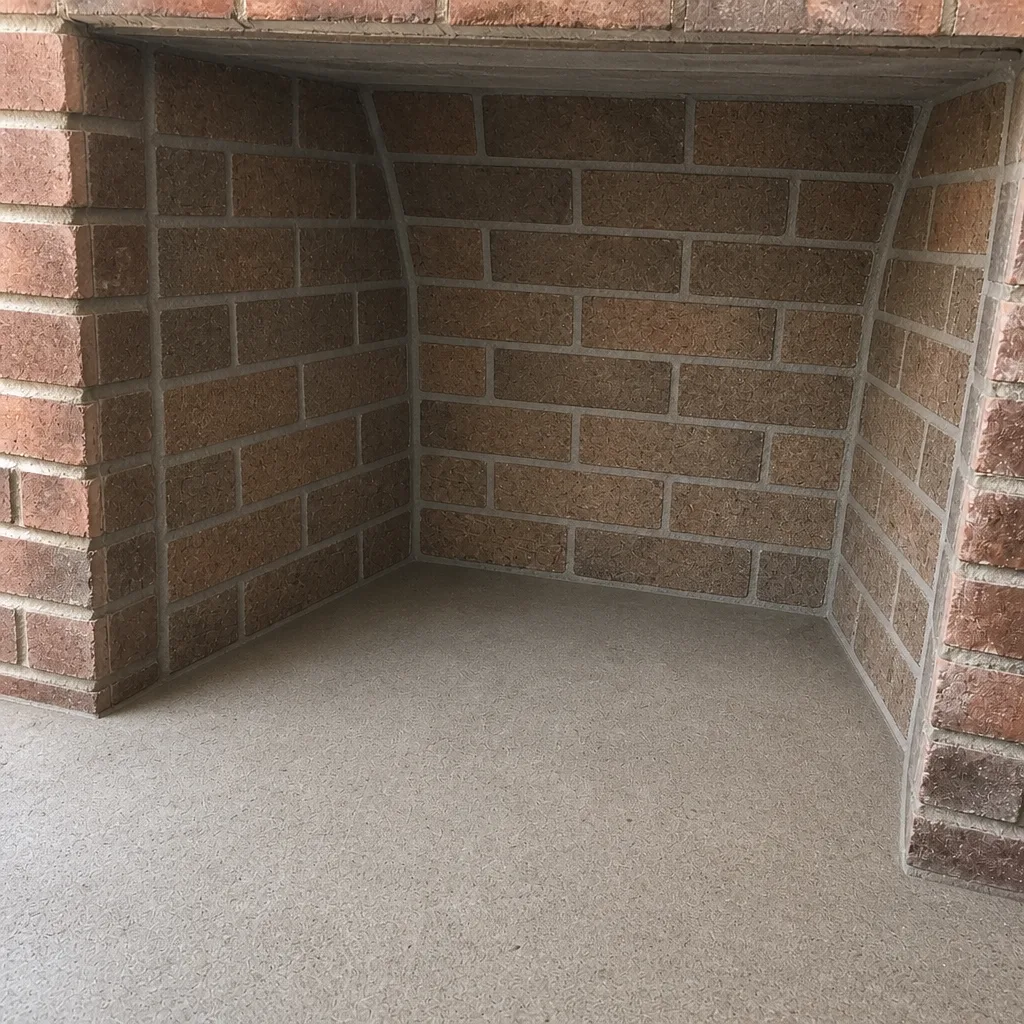
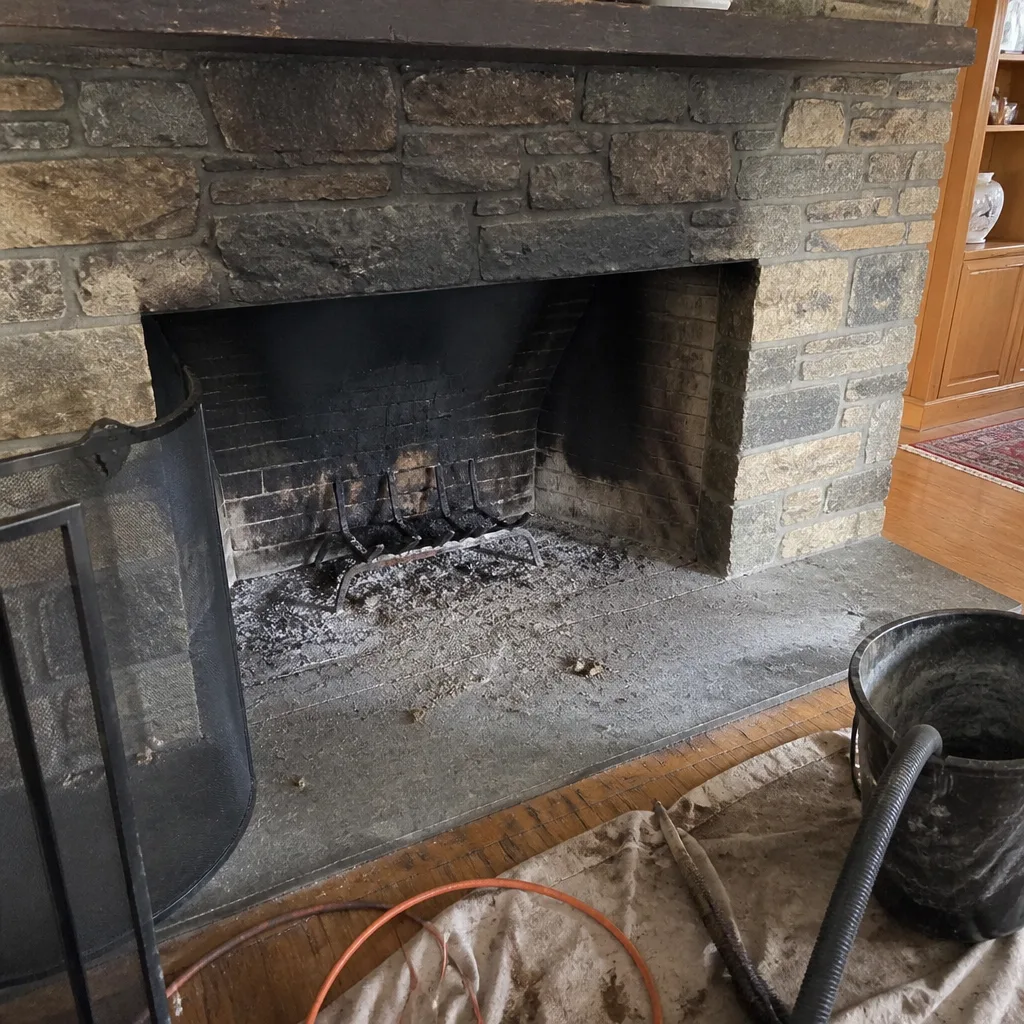
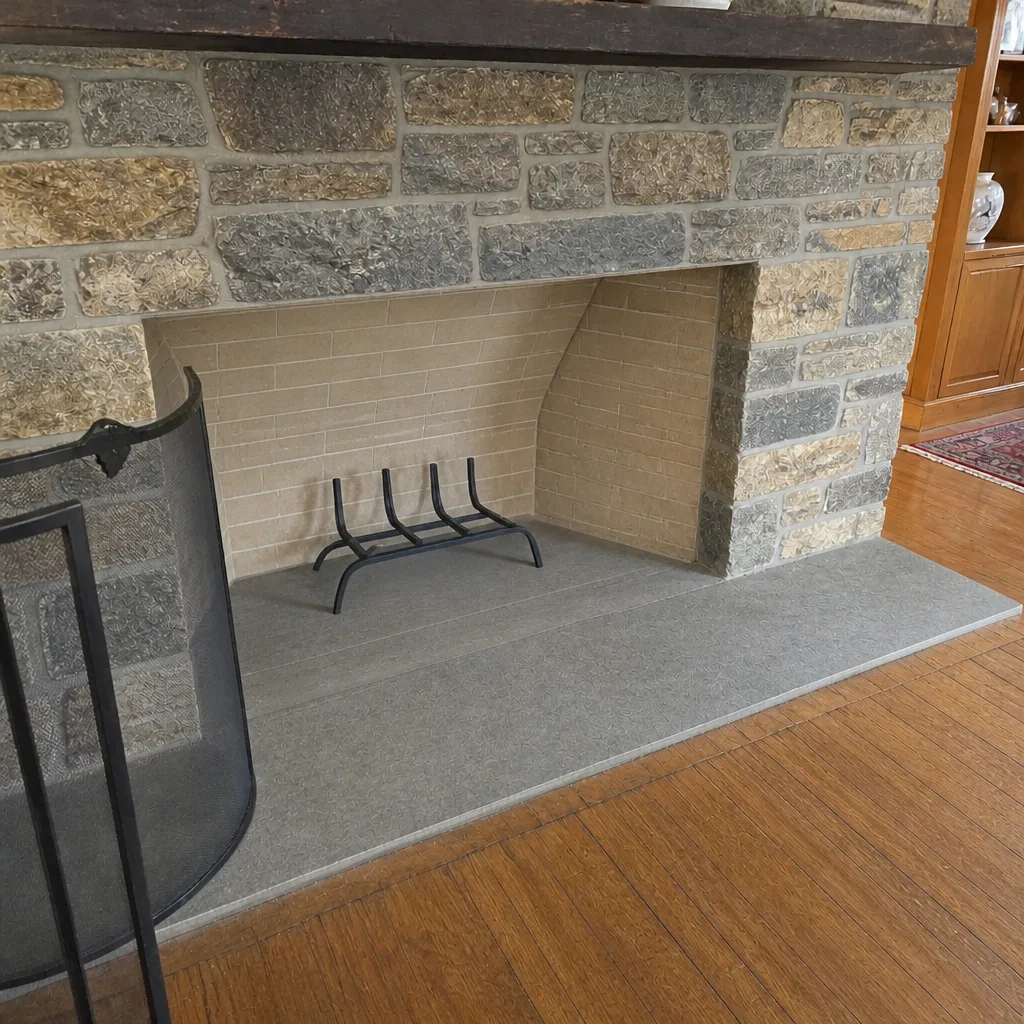
See the difference
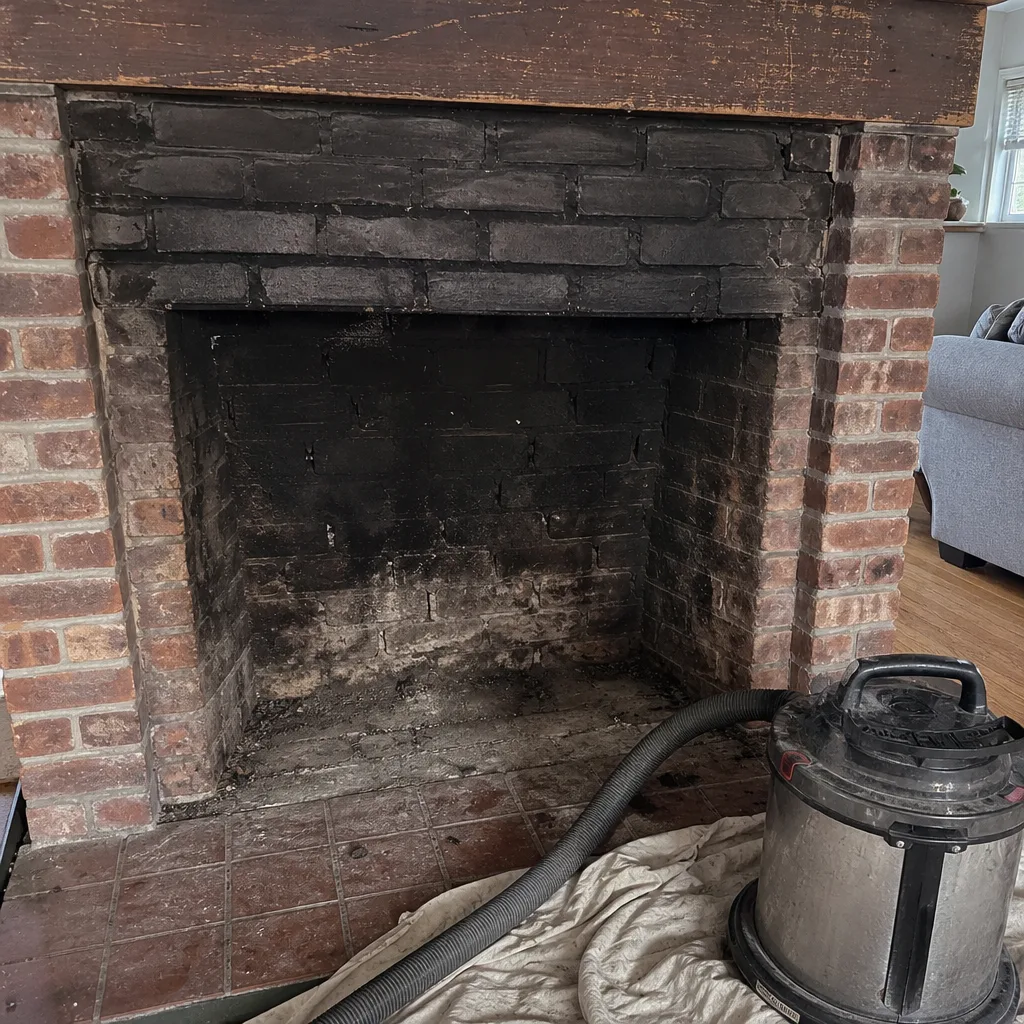 Before
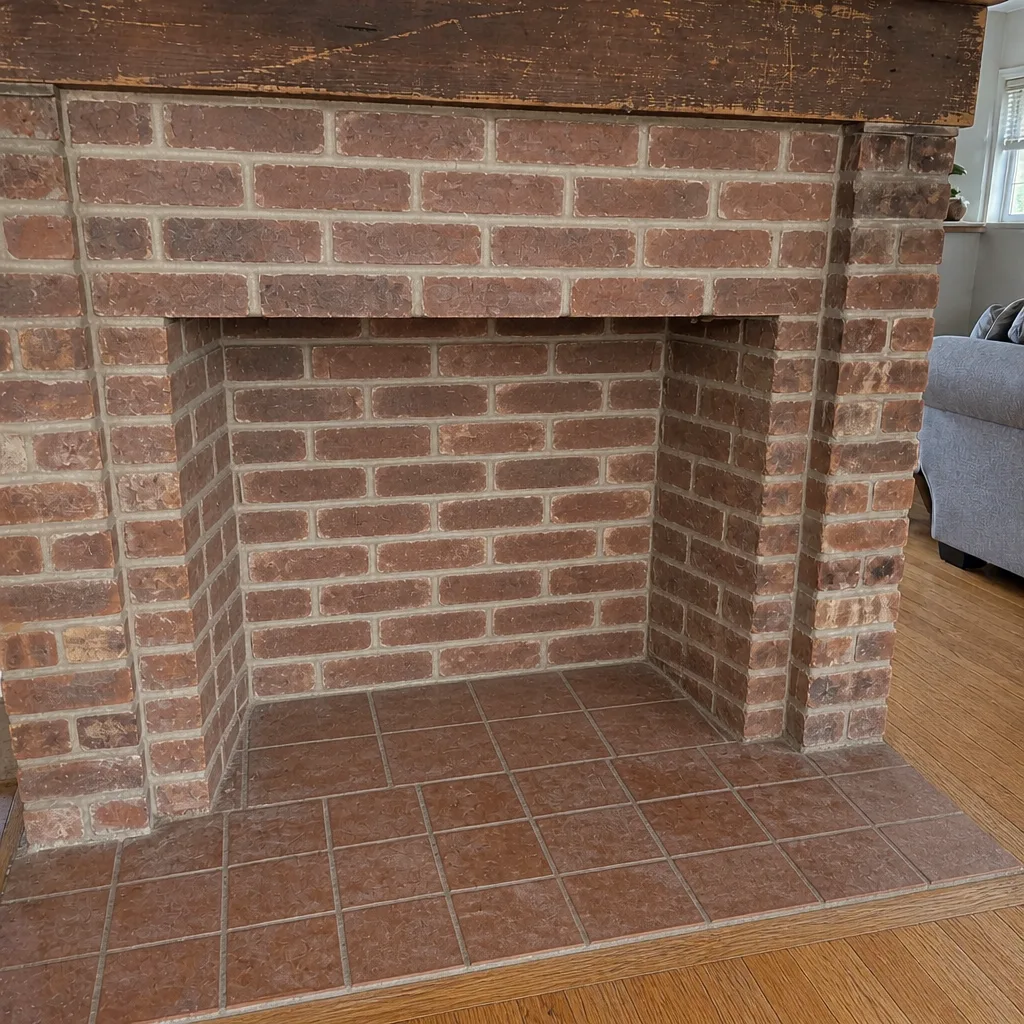 After
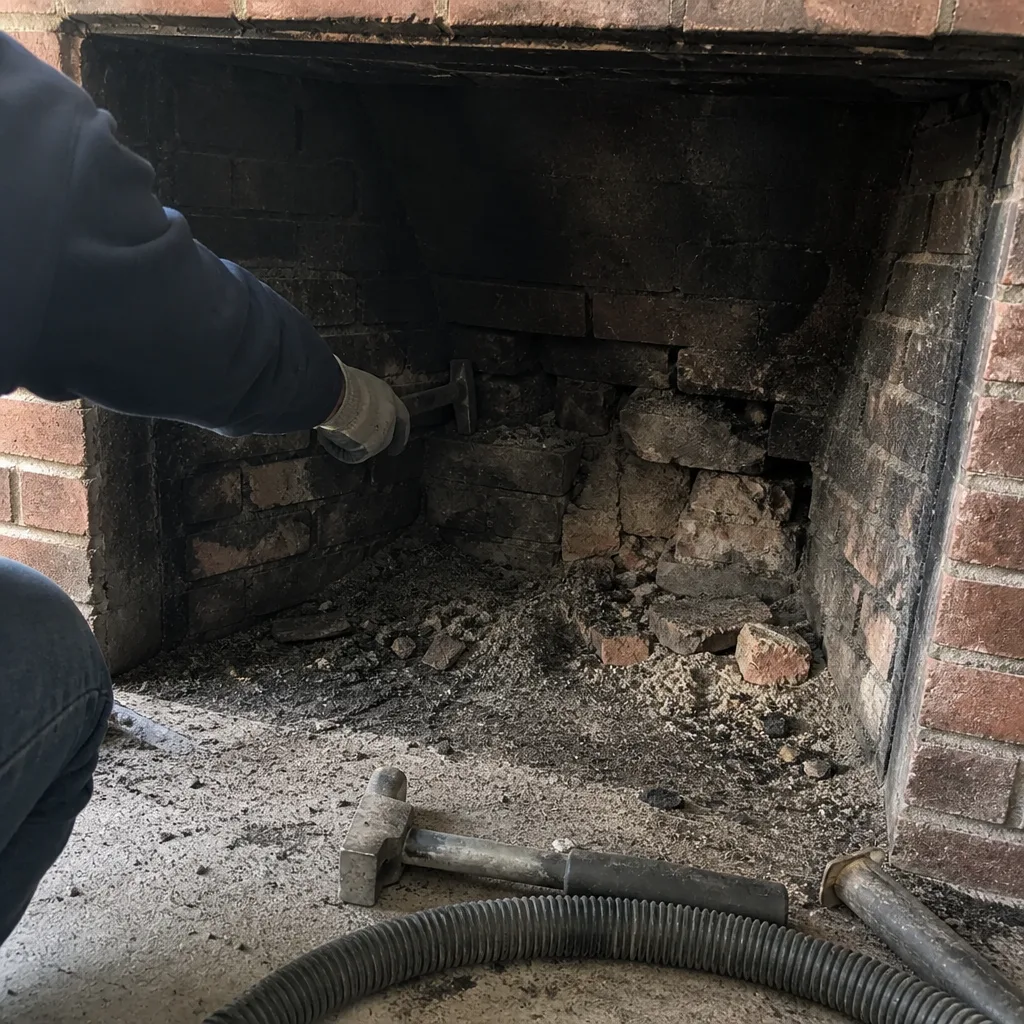 Before
 After
 Before
 After