
Last updated November 25, 2026
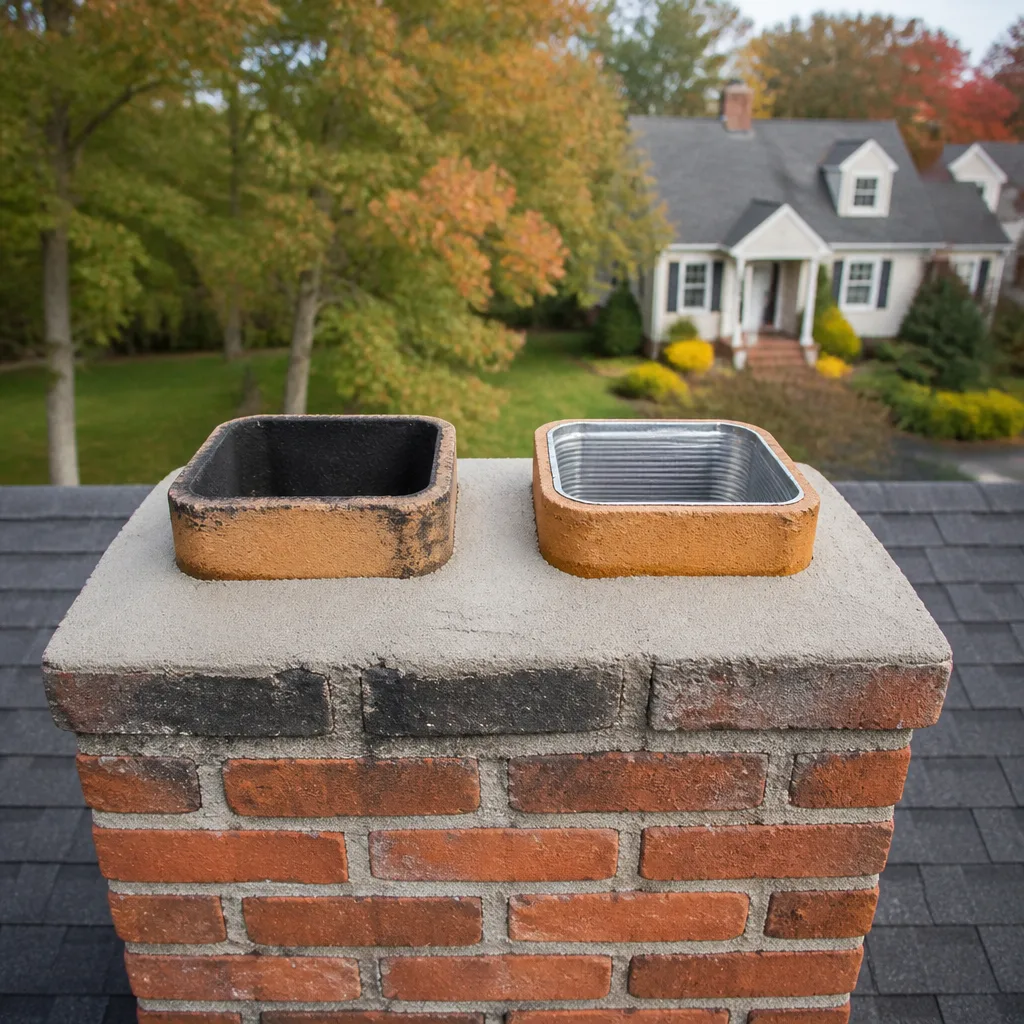 Sweep & inspection
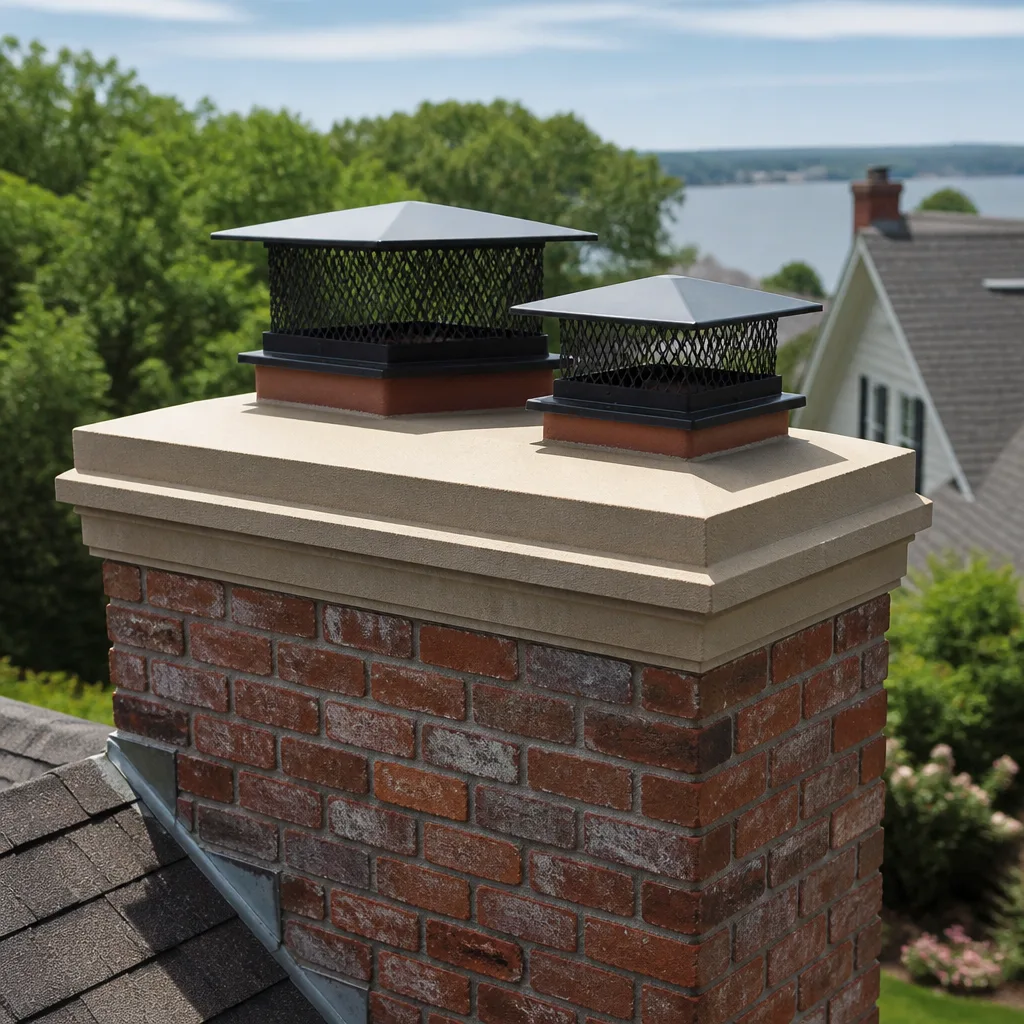 Caps & crowns
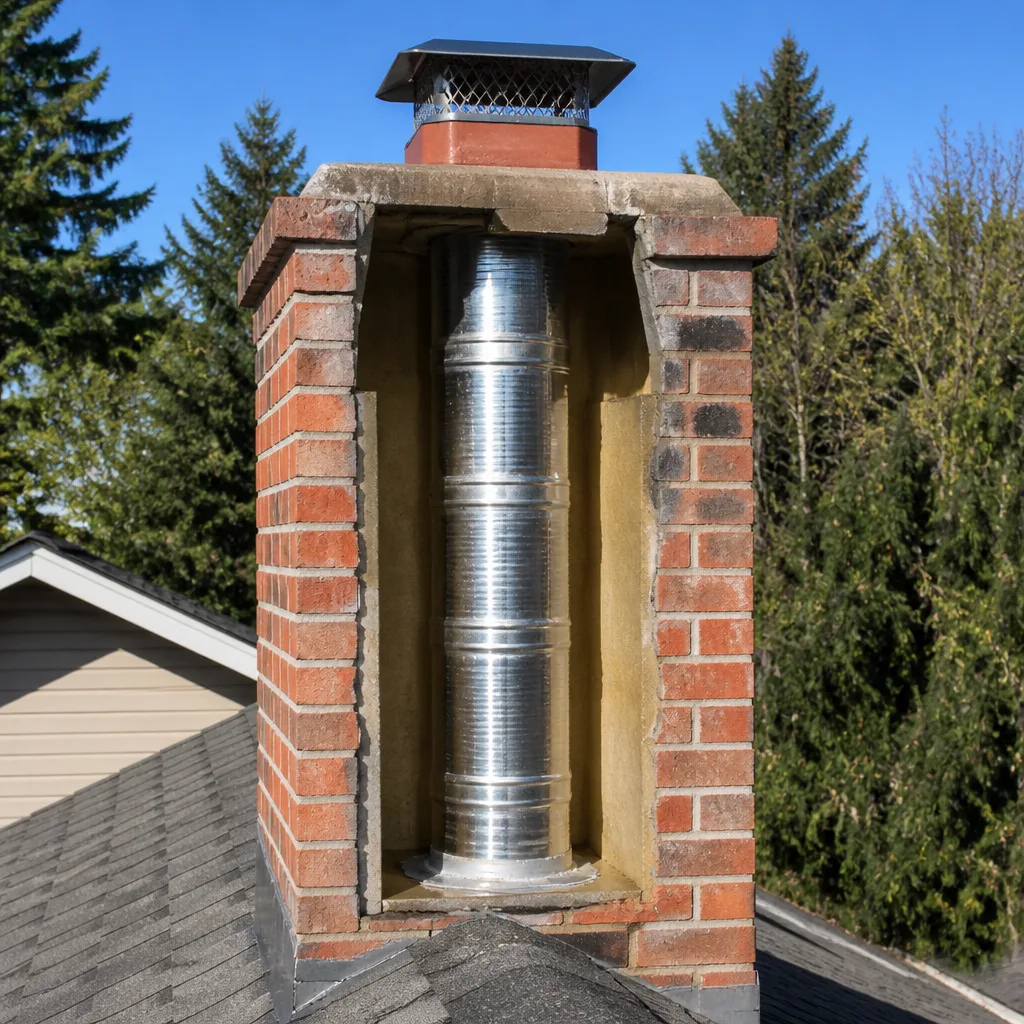 Flue relining
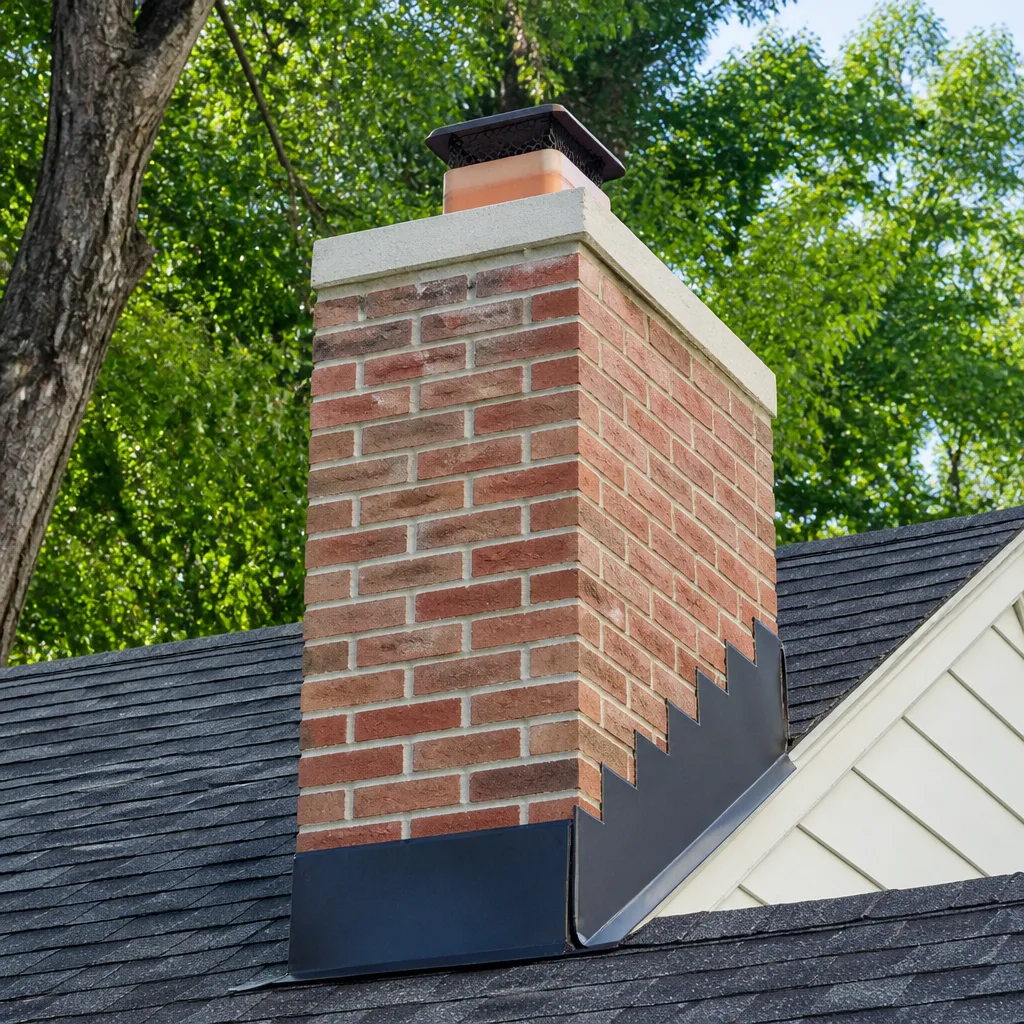 Masonry repair
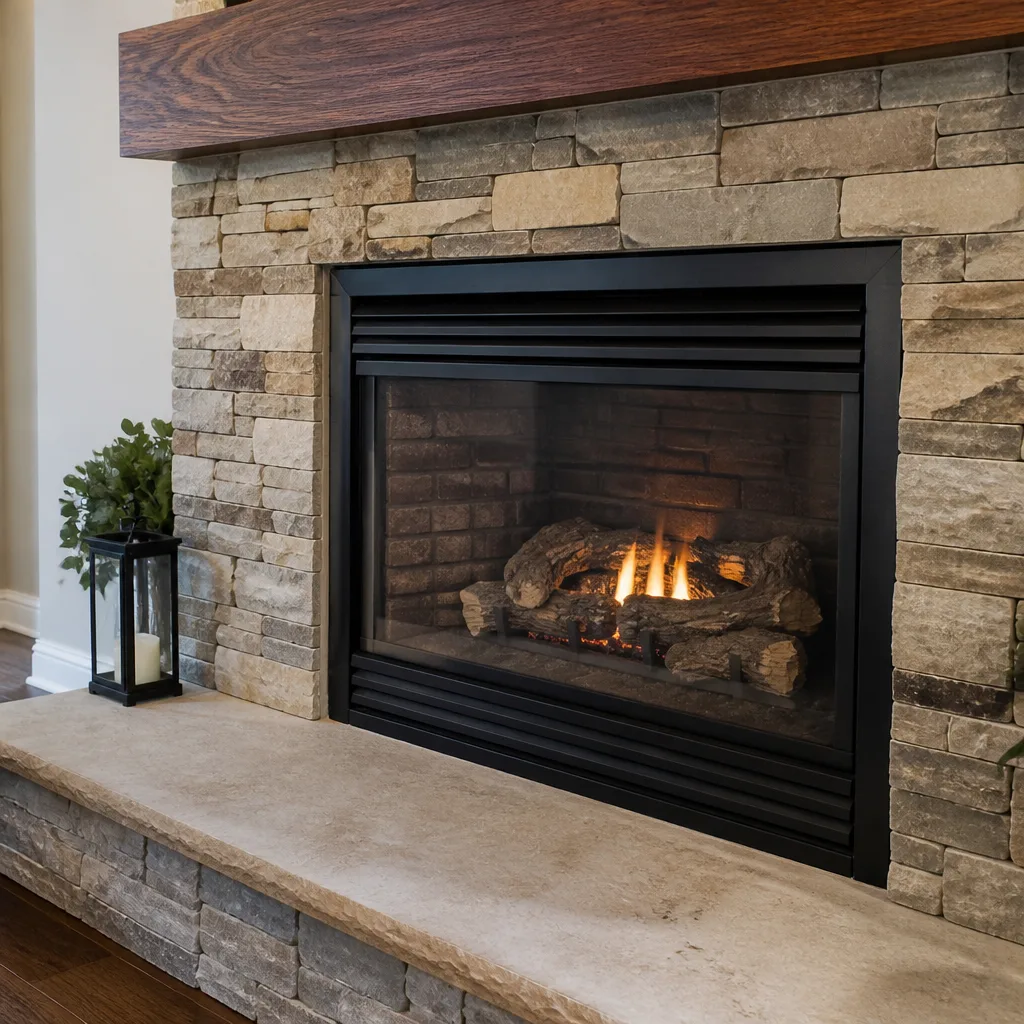 Gas fireplace service
Level 1 sweep and inspection to the NFPA 211 annual standard - flue, crown, cap, and flashing checked and photographed
Chimney sweep logs do not sweep chimneys. They loosen some creosote - which then falls where a brush and vacuum still have to collect it.
Seasonal Chimney Cleaning Care for Chelsea: Year-Round Homeowner’s Guide
The advice most homeowners get is simple: sweep the chimney once a year, before winter, and you’re set. That schedule misses the eleven months when most chimney damage actually starts. In Chelsea, a chimney sits through humid summers that push moisture into mortar, spring rain that finds every hairline crack in a crown, and a fall that fills open flues with leaves and nesting material before the first cold night. By the time a November sweep happens, some of that damage has been working for months. This guide lays out chimney care as a twelve-month job, season by season, with the tasks, the warning signs, and the order to do them in so a Chelsea home stays safe and dry all year.
Quick Answer
Year-round chimney care in Chelsea means matching the work to the season: inspect and repair water damage in spring, guard against humidity and nesting in summer, inspect-clean-test in that order in fall, and read your fireplace’s performance for warning signs through winter. A single annual sweep isn’t enough for older Chelsea properties, where crowns, flashing, and liners take a real beating from the local freeze-thaw cycle and summer humidity. The goal is to catch small problems before they turn into liner or masonry work.
Styles & brands we work with
- Sweep & inspection
- Caps & crowns
- Flue relining
- Masonry repair
- Gas fireplace service
Table of Contents
- Spring: Post-Heating-Season Inspection Priorities
- Summer: The Chelsea Risks Nobody Talks About
- Fall: The Correct Preparation Sequence
- Winter: Reading Your Fireplace’s Signals
- How Your Fuel Type Changes the Seasonal Schedule
- Wood-Burning Fireplace vs. Gas Insert: Two Different Clocks
- Common Mistakes to Avoid
- When to Call a Professional
Spring: Post-Heating-Season Inspection Priorities
Spring is when a chimney tells the truth about the winter it just had. Freeze-thaw cycles are the main culprit in Chelsea. Water gets into a porous crown or a cracked mortar joint, freezes overnight, expands, and then thaws. Do that a few dozen times over a winter and a hairline crack becomes an open channel. Once spring rain arrives, that channel leads water straight into the masonry, and the damage accelerates quietly through the wet months. A spring inspection catches these problems while they’re still small and cheap to fix.
The priorities, in order:
- The crown. Look for cracks, spalling, or a crown that’s pulling away from the flue. A failing crown is the most common entry point for water.
- Flashing. The metal that seals the chimney to the roof. In older Chelsea rooflines, flashing often lifts or corrodes and lets water run down the masonry.
- Mortar joints. Crumbling or recessed joints on the exterior stack mean water is already getting in.
- The cap and spark arrestor. Winter storms and animals can dislodge a cap. A missing or damaged cap lets water and wildlife straight into the flue.
- The liner. A camera inspection shows cracks, gaps, or deterioration that the winter may have worsened.
Do this before the summer rain, not after. Water damage compounds, and catching a cracked crown in April is a repair. Catching it in October, after a wet summer, can mean a resurfaced or relined flue. If you want a full picture of what we look at, our chimney inspection covers the whole system from firebox to crown.
Summer: The Chelsea Risks Nobody Talks About
Summer feels like the off-season for a fireplace, but it’s when a lot of quiet damage happens. Three Chelsea-specific risks stand out.
Rooftop heat accelerating mortar deterioration. Chelsea rooftops bake through July and August. The masonry on an exposed stack expands in the heat and contracts at night, and that movement widens existing cracks. Combined with the moisture already sitting in the masonry from spring rain, the mortar breaks down faster than it would in a milder climate.
Humidity condensation inside gas flues. A gas appliance that isn’t running through the summer still has a flue. In humid Chelsea summers, moisture condenses on the cooler interior surfaces of that flue, and over a season it can corrode metal liners and deteriorate masonry from the inside. This is a real and often-overlooked problem for gas inserts and gas fireplaces that sit unused for months.
Nesting season. Starlings, pigeons, and other birds common in Chelsea look for sheltered ledges in spring and summer. An uncapped flue is an ideal nesting spot. A nest blocks the flue, and a blocked flue is both a fire risk and a carbon monoxide risk when the fireplace is next lit. A properly fitted cap from a maker like Gelco closes that door before it opens.
Summer is also the right time to schedule non-urgent repairs. The heating season is months away, contractors aren’t slammed, and a repaired crown has time to cure before the first frost. If you’ve been putting off chimney cap & crown work, summer is when it’s easiest to get done without pressure.
Fall: The Correct Preparation Sequence
Most homeowners do one thing in fall: call for a sweep. But fall is a sequence, and doing it out of order wastes money. Here’s the right order.
- Inspect first. A level-two camera inspection shows the condition of the flue, liner, crown, and cap. You need to know what you’re dealing with before you clean, because cleaning a chimney with a cracked liner can dislodge debris that then leaks into the home.
- Clean second. Once you know the condition, a proper chimney sweep removes creosote, soot, and any summer debris or nesting material. This is the step that removes the fuel for a chimney fire.
- Repair what the inspection found. A cracked crown, a damaged cap, or a failing liner should be addressed before the first fire, not after.
- Test last. A draft test and a small first burn confirm everything is working before the cold sets in. If smoke rolls back into the room on the first fire, something’s wrong, and you want to know that with the windows open in October, not at midnight in January.
Doing the sweep before the inspection means you may clean a chimney that then needs repair, and you’ve paid for a clean you can’t use. Doing the repair before the clean means you’re cleaning around a problem. The order matters. This is the single most common way Chelsea homeowners overspend on fall chimney work. For a closer look at what each repair step involves, our chimney repair page walks through crowns, flashing, and liners.
Winter: Reading Your Fireplace’s Signals
Winter is when a fireplace talks to you, if you know what to listen for. The performance signals below are real-time indicators of flue health, and they’re worth treating as a mid-season check rather than something to ignore until spring.
- Smoke rollout. Smoke curling into the room instead of going up the flue usually means poor draft. It can be a cold flue, a partially blocked flue, or a pressure problem. If it happens consistently, stop using the fireplace until it’s checked.
- Weak draft. A fire that’s hard to start, burns lazily, or won’t pull well may point to an obstruction, a damaged liner, or a flue that’s too cold. A nest or a heavy creosote load will do this too.
- Odors. A strong smoky or creosote smell when the fireplace isn’t running often means the flue is due for a clean, or that negative pressure in the house is pulling air down the chimney. Persistent odors are worth investigating.
- Unusual sounds or debris. Tapping in the flue, or soot falling into the firebox, can mean a failing liner or a loose cap.
If any of these show up mid-winter, don’t push through the season. A blocked or damaged flue is a chimney fire risk and a carbon monoxide risk. It’s also a safety issue for high-tension components like a fireplace damper assembly, which is best left to a trained professional. If you’re not sure what a signal means, a quick inspection is cheaper than ignoring it. This mid-season check is why year-round care matters in Chelsea: problems you’d catch in a January look-back get caught before they become February repairs.
How Your Fuel Type Changes the Seasonal Schedule
A wood-burning fireplace and a gas insert have completely different seasonal risk profiles, and grouping them together is one of the biggest mistakes we see. The heating fuel type changes what to watch and when.
Wood-Burning Fireplace
- Spring: Inspect for water damage and check creosote load after the heating season.
- Summer: Guard against nesting in the open flue and moisture in the masonry.
- Fall: Sweep and inspect before first use, in that order.
- Winter: Watch for smoke rollout and weak draft, and don’t let creosote build up through heavy use.
Gas Insert or Gas Fireplace
- Spring: Check the flue for condensation damage and the termination cap for blockage.
- Summer: This is the season of humidity condensation inside the flue. The appliance isn’t running, so it can’t keep the flue dry.
- Fall: Inspect the venting and confirm the flue is clear before the first use.
- Winter: A gas appliance produces less creosote but still needs a clear flue, and any gas smell or unusual operation is a reason to stop and call.
The takeaway: a wood-burning home needs a creosote-focused sweep schedule, while a gas home needs a moisture-and-venting-focused schedule. For a Chelsea homeowner with both, they need separate plans. If your home has a gas line running to the fireplace, any gas work is a job for a licensed professional, not a DIY project.
Wood-Burning Fireplace vs. Gas Insert: Two Different Clocks
Here’s the deeper reason the fuel type matters. A wood-burning fireplace is a combustion appliance that deposits creosote on the flue walls every time it burns. That creosote is the fuel for a chimney fire. The seasonal schedule for wood is built around managing creosote load and the moisture that damages the flue between burns. A gas insert doesn’t create creosote, but it does create condensation, and that condensation attacks the flue from the inside. So the two systems fail in different ways at different times of year.
What this means in practice for a Chelsea homeowner:
- A wood-burning home should think of the sweep as the core of fall and a mid-winter check as a safety habit.
- A gas home should think of the flue as something that needs a dry, clear path year-round, with the summer being the riskiest season.
- A home with both should not assume one service covers both. They’re separate systems with separate schedules.
We use professional-grade materials across both: HeatShield resurfacing for liner restoration, DuraFlex flexible liners for older or irregularly shaped flues, and Famco or Copperfield components for caps and venting. The right material depends on the system, which is why the inspection comes first.
Common Mistakes to Avoid
- Treating the annual November sweep as the whole plan. It ignores spring water damage, summer nesting, and fall debris loading. By the time the sweep happens in Chelsea, the damage may be done.
- Cleaning before inspecting. You can’t sweep your way out of a cracked liner. The inspection needs to come first so the sweep doesn’t dislodge debris into a damaged flue.
- Skipping the cap. An uncapped flue is an open door for rain, starlings, and pigeons. A missing cap is one of the most common causes of long-term chimney damage in Chelsea.
- Ignoring summer humidity because the fireplace is off. Condensation inside a gas flue can corrode a liner over a single humid season.
- Delaying crown repairs until fall. A cracked crown left through a wet Chelsea summer lets water into the masonry, and that’s how small repairs become liner work.
- Assuming gas means low maintenance. A gas insert still needs a clear, dry flue, and gas work should always be handled by a licensed professional.
- Doing the first burn without a draft test. A small test fire before the cold season catches smoke rollout early, when it’s easy to fix.
When to Call a Professional
Some chimney work is a maintenance task; other work is a safety job. Call a professional if you see smoke rolling into the room, smell gas near a gas fireplace, notice soot falling into the firebox, or find a cracked crown, damaged flashing, or a missing cap. Any of those needs a trained eye, and gas work in particular should never be a DIY project. High-tension components and flue interiors are also best left to someone with the right tools and training. Chimney Sweep Chelsea offers free estimates in Chelsea. Call (866) 937-8809. We answer 24/7, and fast dispatch runs from 7am to 7pm, Sunday through Friday. Our technicians have up to 11 years of experience, and we work with professional-grade materials from DuraFlex, HeatShield, Gelco, Olympia Chimney, Famco, and Copperfield.
See the difference
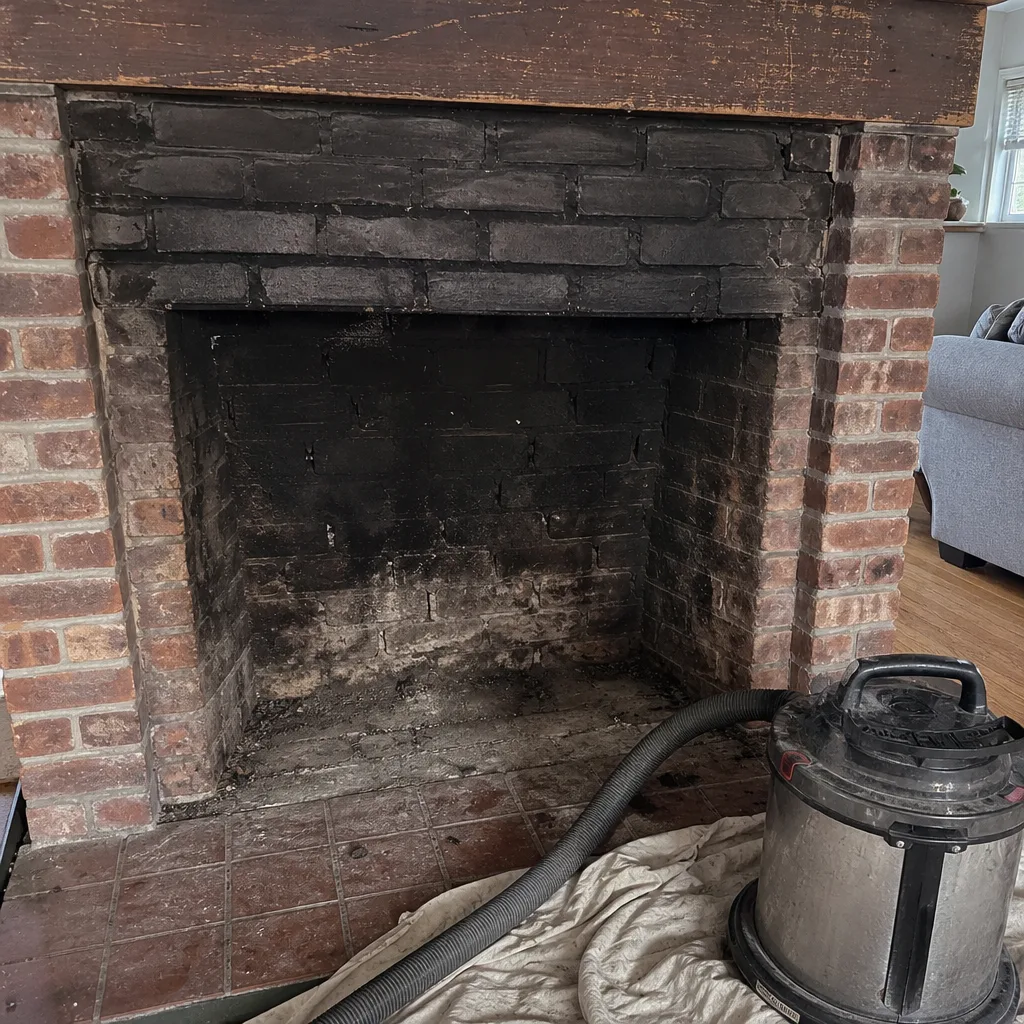 Before
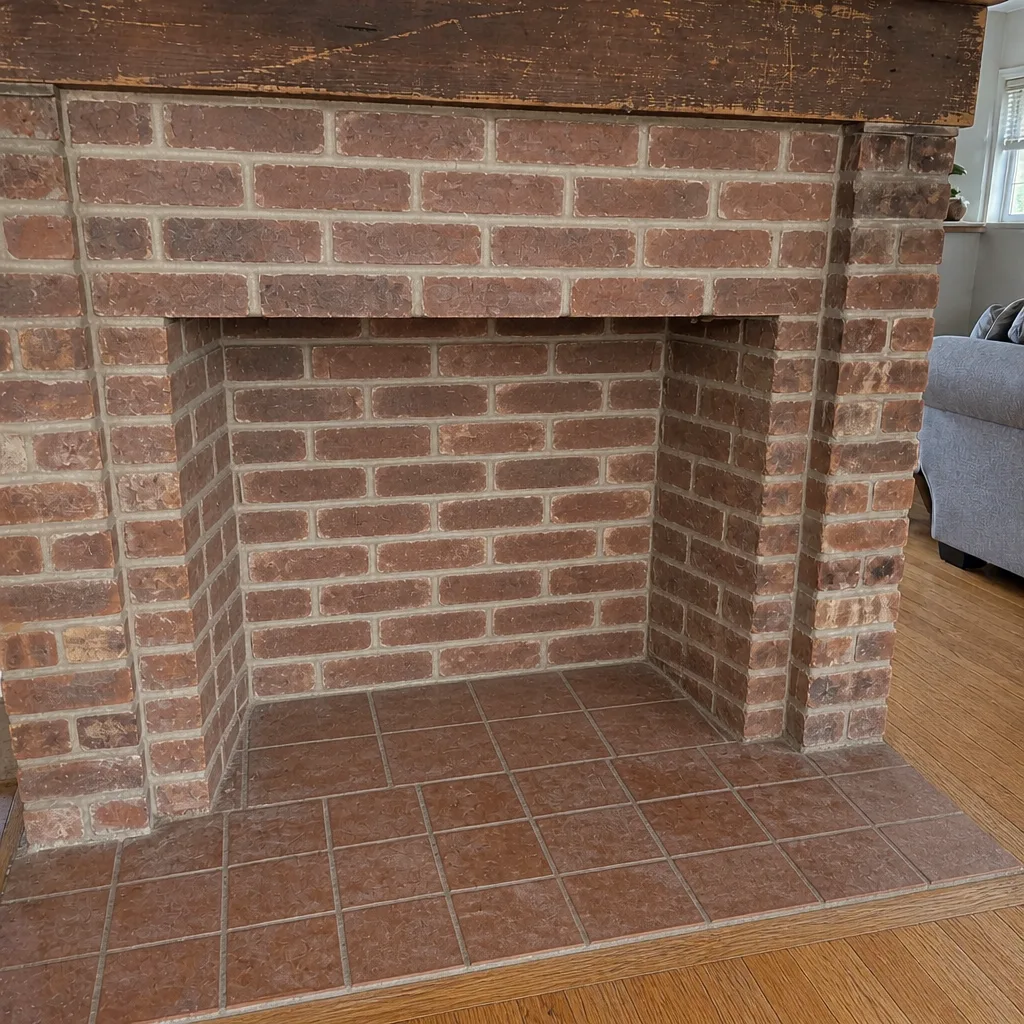 After
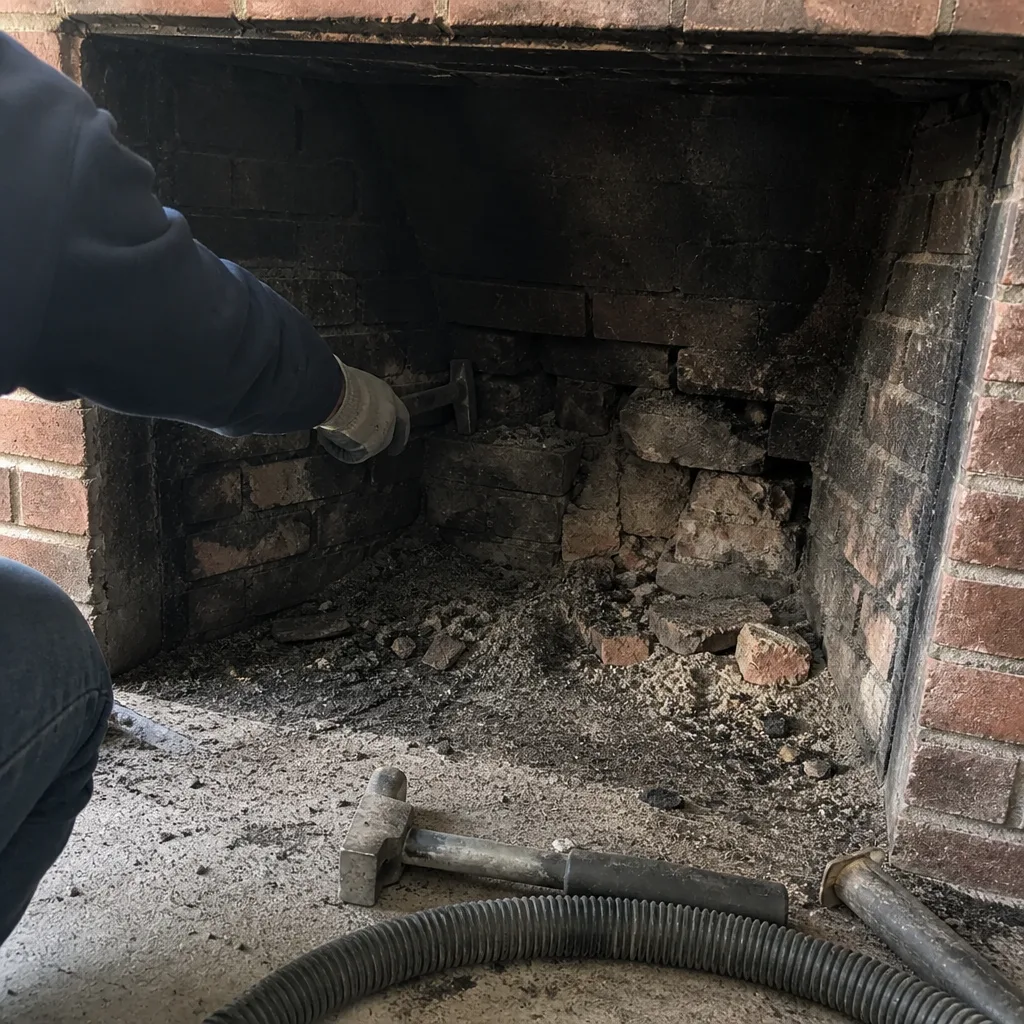 Before
 After
 Before
 After
Frequently Asked Questions
At least once a year for a wood-burning fireplace, and more often if you burn heavily or notice a creosote smell. A gas insert still needs an annual inspection even though it doesn’t produce creosote. For a Chelsea home with both a wood fireplace and a gas insert, treat them as two separate systems with two separate schedules. The annual sweep is the baseline, not the whole plan. Call (866) 937-8809 for an exact quote. Estimates are free.
Only if the inspection shows the existing liner is cracked, gaping, or otherwise failing. A camera inspection shows you the evidence, and nothing is recommended without it. A HeatShield resurfacing or a DuraFlex flexible liner can restore a failing flue, but the decision comes from what the camera sees, not from a guess. Ask to see the photos before agreeing to any liner work. Call (866) 937-8809 for a free estimate.
Creosote builds up in a wood flue, which raises chimney fire risk, and undetected water damage to the crown or flashing gets worse through the wet months. In Chelsea, skipping the spring inspection means a small crown crack can turn into a masonry repair by fall. Skipping the summer cap check can leave an open flue for birds to nest in. The risk isn’t dramatic on any single day; it compounds quietly. Call (866) 937-8809 to get it checked before the next season.
A standard sweep is typically priced per job and confirmed in a written estimate before any work begins, so you know the number before we start. The final price depends on the condition of the flue, the creosote load, and whether an inspection or repair is needed alongside the clean. Ask for the written estimate up front and confirm what’s included. Call (866) 937-8809 for an exact quote. Estimates are free.
Yes. Summer brings rooftop heat that widens existing mortar cracks, humidity condensation inside gas flues, and nesting season for the starlings and pigeons common in the neighborhood. All three cause damage while the fireplace is off, which is why year-round care matters. An uncapped flue in summer is an open door for wildlife and rain. Call (866) 937-8809 to schedule a summer check.
You can brush a flue, but a proper inspection of the liner, crown, and flashing requires a camera and training, and anything involving gas or high-tension components should be left to a professional. Cleaning without inspecting can also dislodge debris into a damaged flue. For most Chelsea homeowners, the safe path is a professional inspection and sweep. Call (866) 937-8809 to book one.
The Bottom Line
Chimney care in Chelsea is a twelve-month job, not a November errand. Inspect and repair in spring, guard against humidity and nesting in summer, follow the inspect-clean-repair-test order in fall, and read your fireplace’s signals through winter. Wood-burning and gas systems fail in different ways at different times, so each needs its own schedule. The single best habit is to inspect before you clean, and to act on what the camera shows, not on a hunch. Done in the right order, year-round care keeps small problems small and keeps your home safe through every season.
Call (866) 937-8809 for a free estimate. We answer 24/7. Fast dispatch from 7am to 7pm, Sunday through Friday. One company handles the sweep, the inspection, and any repair we find, so you’re not bouncing between contractors.
Written by the team at Chimney Sweep Chelsea.