
Last updated November 25, 2026
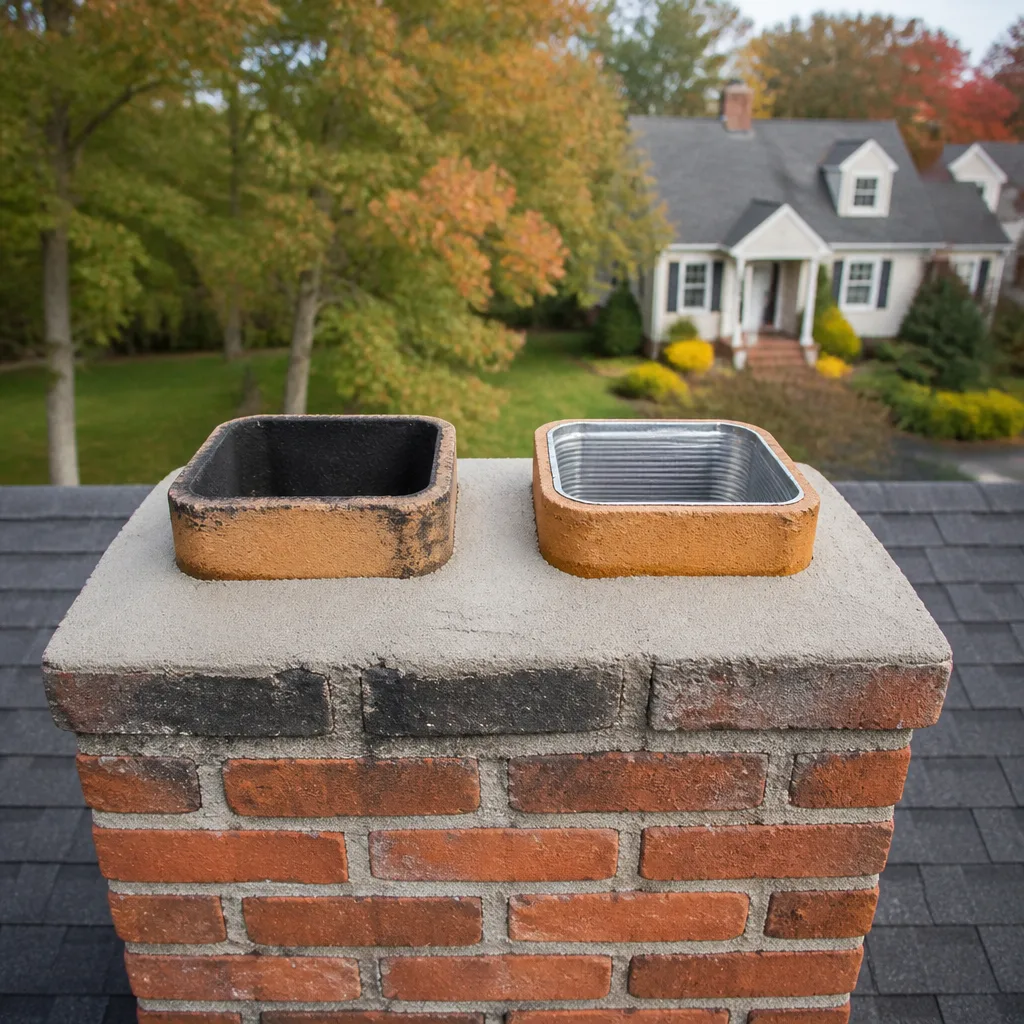 Sweep & inspection
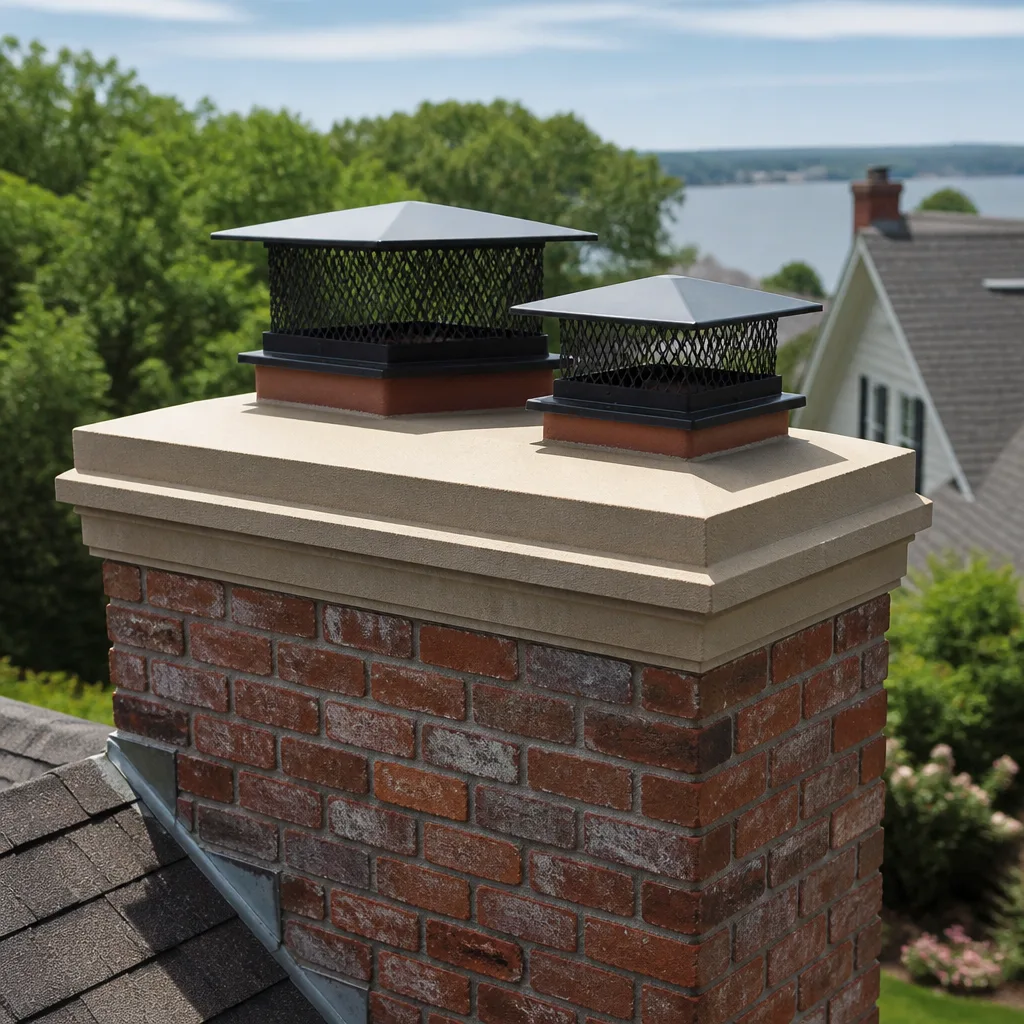 Caps & crowns
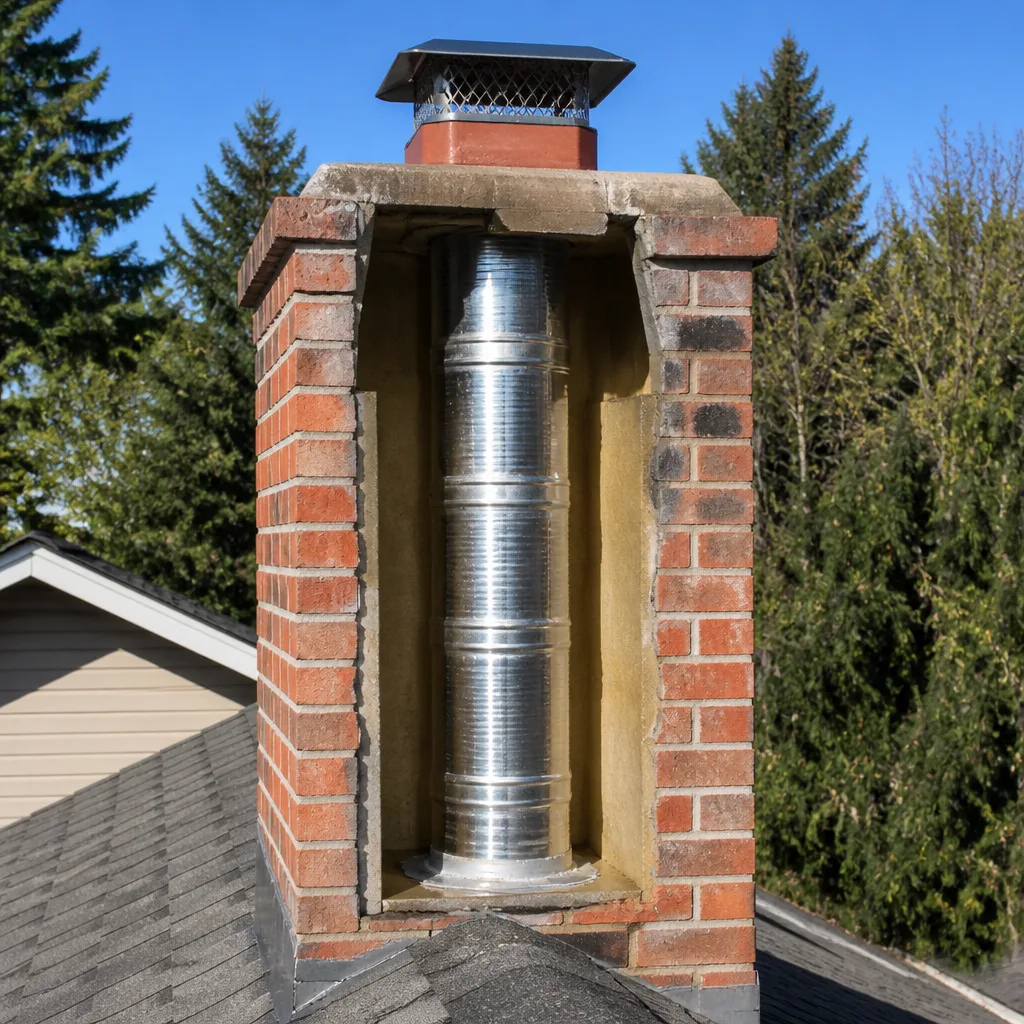 Flue relining
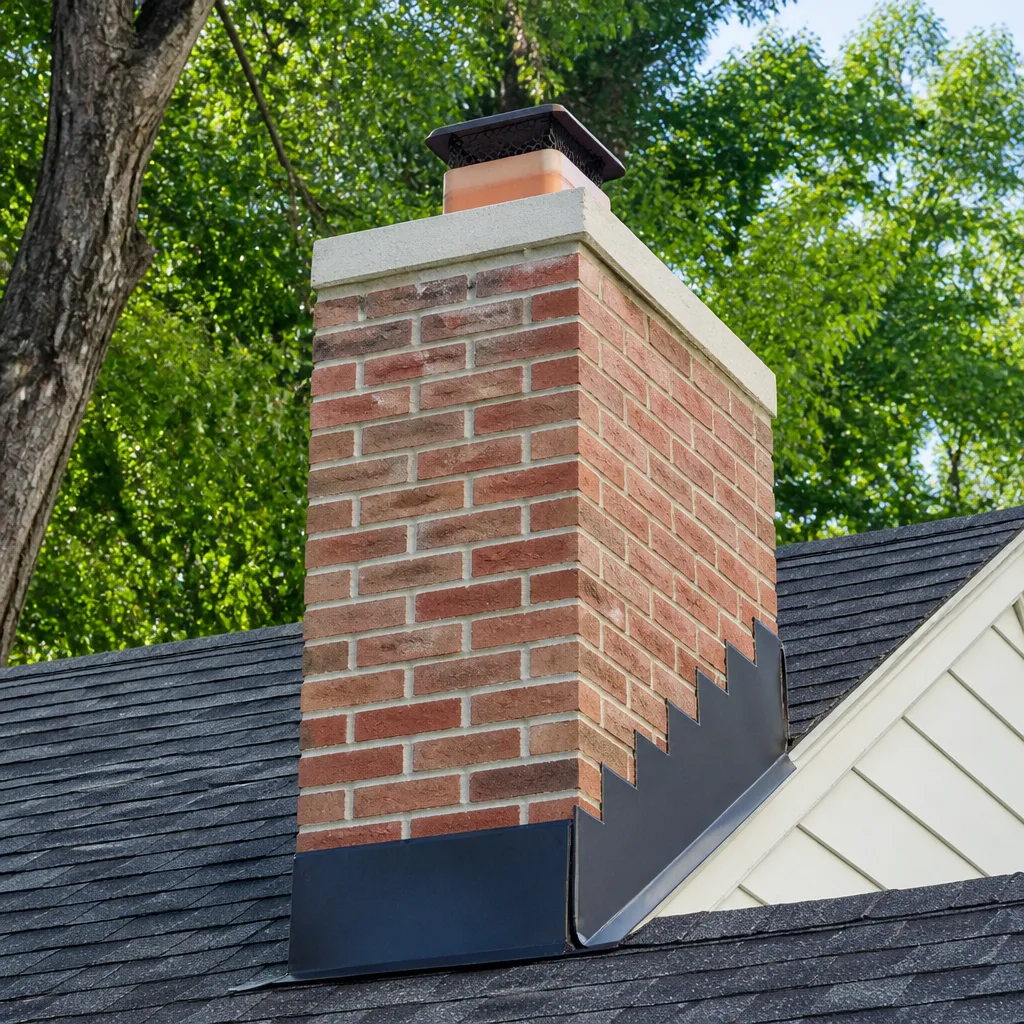 Masonry repair
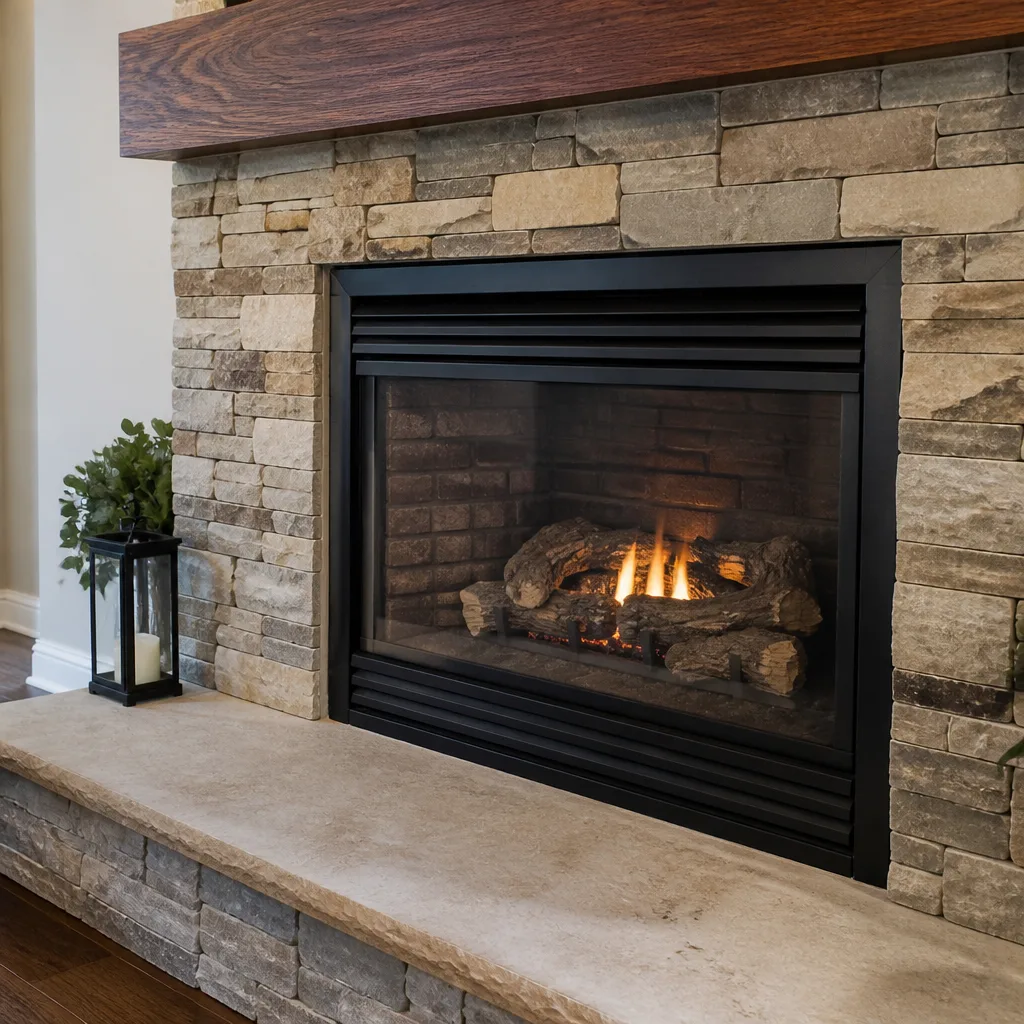 Gas fireplace service
Level 1 sweep and inspection to the NFPA 211 annual standard - flue, crown, cap, and flashing checked and photographed
Chimney sweep logs do not sweep chimneys. They loosen some creosote - which then falls where a brush and vacuum still have to collect it.
Chimney Cleaning Emergency Preparedness Guide for Chelsea Homes
A chimney fire sounds like a freight train running through your wall – a low, sustained roar with crackling – and by the time most homeowners identify what they’re hearing, they’ve already lost the first two minutes that matter most. That’s the uncomfortable truth behind every chimney emergency: the crisis is rarely the problem. The problem is the indecision in the moment, and the repairs that were quietly skipped the year before. Chimney emergencies in Chelsea don’t follow a schedule, and the households that come through them well are the ones who made three decisions ahead of time: they know the signs, they know the first ten minutes, and they know who to call. This guide builds that framework for you.
Quick Answer
Chimney emergency preparedness in Chelsea means three things done before anything goes wrong: knowing how to recognize a chimney fire, a carbon monoxide event, or a blocked flue (different problems with different responses), agreeing on a first-five-minutes plan for your household, and having a sweep-and-inspection relationship already in place so you’re not searching for a professional mid-crisis. In the moment, the correct response to a suspected chimney fire is always the same: stop adding fuel, get everyone out, call 911, and never throw water into a hot flue.
Styles & brands we work with
- Sweep & inspection
- Caps & crowns
- Flue relining
- Masonry repair
- Gas fireplace service
Table of Contents
- How do you recognize a chimney fire versus normal fireplace sounds?
- What should you do in the first five minutes of a chimney fire?
- What does carbon monoxide risk look like in Chelsea gas inserts and older flues?
- How do you spot a blocked flue before you light a fire?
- What do you document after a chimney emergency?
- What changes for Chelsea co-ops and condos with shared flues?
- What does chimney emergency preparedness look like as a yearly habit?
How do you recognize a chimney fire versus normal fireplace sounds?
A chimney fire is not subtle once it’s established, but its early signs are often mistaken for “the fire settling in.” A wood fire has a familiar voice: pops and ticks as sap and moisture cook out of the wood, the soft draw of air through the damper, an occasional shift of a log. A chimney fire has a different signature. Listen for a low roaring sound that builds rather than fades, a rhythmic crackling that comes from above the firebox rather than inside it, and a vibration you can feel through a wall or mantel.
From outside, the signs change again. Look for dense smoke or a visible flame plume at the top of the chimney, sparks or embers thrown from the crown, and a sound that can be heard from the yard. Metallic pinging from the flue is another clue on metal liners, as the pipe heats far beyond normal. Any one of those signs is enough to act. You don’t wait for all of them.
What a slow-burning chimney fire looks like
Not every chimney fire is dramatic. Some smolder at low intensity for a long time, feeding on a heavy creosote load, and reveal themselves only as a strong acrid smell, discolored or blistered paint on a chimney chase, or a cracked flue tile found later at inspection. In Chelsea’s older brownstones and walk-ups, a low-grade fire can reignite days later. If you smelled something wrong after a fire, treat that as a real event and have the flue inspected. Half the value of a chimney sweep and inspection is catching exactly that: damage from a fire that never announced itself.
What should you do in the first five minutes of a chimney fire?
In the first five minutes of a suspected chimney fire, the sequence is fixed and the same for every household. Follow it in order and don’t improvise:
- Stop adding fuel. Don’t open the firebox doors to look closer. Air feeds the fire, and an open door is the fastest way to turn a contained fire into a spreading one.
- Close the damper if you safely can. This limits oxygen reaching the chimney. If the firebox is too hot to approach, skip this step. Your safety matters more than the chimney.
- Get everyone out of the building. Include pets. Close doors behind you to slow smoke spread through the unit.
- Call 911 from outside. A chimney fire can extend into the roof structure, and that is a fire department call, not a chimney call.
- Do not put water on the fire. Water poured into a superheated flue or onto a hot masonry firebox can cause steam explosion and can crack tiles and brick.
- Wait outside for the fire department. Don’t re-enter to retrieve belongings.
What you’re doing with this sequence is buying time for the people in the building while letting trained responders handle the structure. Once FDNY has been on scene and the fire is out, the chimney work starts: a professional inspection to confirm what the fire did to the flue, the crown, and any liner. That inspection isn’t optional. A chimney fire that leaves damage behind is a carbon monoxide risk waiting to activate.
What does carbon monoxide risk look like in Chelsea gas inserts and older flues?
Carbon monoxide from a chimney system is a venting failure, not a fire event, and it’s the quieter of the two emergencies. CO is colorless and odorless, so the only reliable signals are symptoms and detectors. Symptoms to know: headache, dizziness, nausea, a feeling of confusion or “just not right,” and in a household, those symptoms easing when people leave the building and returning when they come back. If those signs line up, get out and call 911 and your gas utility. Don’t wait to see how you feel in an hour.
Chelsea’s housing stock makes this a live concern for reasons that are specific to the neighborhood. A great many buildings here hold fireplaces and flue configurations that predate current venting practice. Gas fireplace inserts installed into those older flues need to be matched to the flue’s condition and size, and an insert vented into a flue with cracked tiles, gaps at the joints, or a partially collapsed liner can spill combustion gases into the building instead of pushing them out. Older shared flues add another wrinkle: a neighboring unit’s appliance can affect the draft in yours. When one flue in a shared stack stops drafting properly, everyone on it is affected.
Where to place CO detectors
- On every level of the home, and outside sleeping areas. That’s the standard baseline.
- At fireplace level, in the same room as the fireplace or insert. This is the detector that catches a venting failure at the source.
- Near any gas appliance, including a gas insert or a gas-fired water heater vented into the same flue.
- Test each unit on the schedule printed on it, and replace it when the manufacturer says to.
A CO detector at fireplace level is one of the least expensive pieces of chimney preparedness a Chelsea homeowner can install. We recommend it in every home we work in, and we’ll check whether a gas insert’s venting matches its flue any time we’re in the building.
How do you spot a blocked flue before you light a fire?
A blocked flue is the most common chimney emergency we see that was entirely preventable. The blockage itself can come from several directions: a bird nest built in the flue over the warm months, a cap that came loose and dropped into the stack, debris from a collapsed liner or spalled mortar, or an ice dam at the crown in a deep freeze. Whatever the source, a blocked flue can’t vent. Smoke and carbon monoxide come back into the room instead of going up.
Before you light the first fire of the season, run through this check:
- Look up the flue with a flashlight. Open the damper and shine a light up. You should see reflected daylight or a clear line to the top. If you see dark obstruction or no light, stop.
- Do a smoke test. Light a small rolled newspaper and hold it inside the firebox with the damper open. Smoke should rise steadily up the flue. If it drifts back into the room, the flue isn’t drawing, and that’s a blockage or draft problem that needs inspection.
- Listen for animal noise. Scratching or fluttering above the damper means a nest. Do not light a fire to “drive it out.”
- Check the cap and crown from outside, if you safely can. A missing or damaged cap is an open door for wildlife. That’s why our chimney cap & crown work matters as prevention, not just repair.
If you’ve already lit a fire and you suspect a blockage, put the fire out safely if you can do so without opening the firebox wide, get everyone out, and call 911 if you see smoke backing into the room or smell gas. Do not try to clear the blockage from the roof, and do not use anything from inside the firebox to poke at it. A blocked flue is a professional call every time.
What do you document after a chimney emergency?
After a chimney emergency, the goal is to preserve the evidence and stay out of the way of the people who need to inspect it. What you photograph and what you leave untouched will matter to both the fire department and your insurance adjuster, and it matters to the chimney professional who has to figure out what actually happened.
What to photograph
- The chimney exterior and crown from the ground or another safe vantage point, before anything is cleaned or repaired.
- The firebox, damper area, and hearth, wide shots and close-ups, including any visible soot patterns or discoloration.
- Any damage inside the room: soot staining, cracked plaster, blistered paint, water used to fight the fire.
- Your smoke and CO detectors in place, with their locations, since some policies ask about them.
- Dates and times of when you noticed the problem, called 911, and when the fire department arrived.
What not to disturb
Don’t clean the firebox, don’t sweep out ash, don’t move the fireplace screen or grate, and don’t have anyone touch the chimney until the fire department has released the scene and you’ve spoken with your adjuster. Ashes and debris are the only record of a fire’s intensity and path. Once they’re swept, that record is gone. If the fire was small and contained to the chimney, a fire department or adjuster may clear the flue sooner. Ask before assuming.
When the fire department or adjuster asks for a professional assessment, that’s the point for a chimney inspection, not a general contractor. Our chimney repair scope covers what we find, and we give you the photographic evidence from the inspection so your adjuster has documentation to work with.
What changes for Chelsea co-ops and condos with shared flues?
In a Chelsea co-op or condo building, a chimney emergency is never a unit-level event. It’s a building event. Shared flues mean that a fire, a blockage, or a CO problem in one unit can affect every unit on the same stack, and the board’s communication responsibilities are real. Knowing who to notify and in what order keeps the problem from escalating and keeps the building’s records clean.
Who to notify, in order
- 911 if there is fire, smoke, or a CO alarm – this always comes first.
- Your building’s superintendent or managing agent. They need to know immediately so they can alert the neighbors on your flue and shut down any shared gas appliance if needed.
- The board. The board is responsible for communicating with all shareholders or unit owners, for documenting the event in building records, and for coordinating any building-wide inspection the fire department or insurer requires.
- Your own insurer and, if the board requests it, the building’s master policy carrier. These are separate conversations, and the board should handle the building-side one.
For boards and managing agents, we strongly recommend building-wide chimney inspections after any confirmed chimney fire in a shared flue, even if the fire was contained to one unit. A low-grade fire can compromise the flue’s integrity in ways a visual check from inside a single unit won’t show, and the shared stack is the whole building’s concern. If a board needs a chimney inspection coordinated across several units, that’s a service we handle. Full stop, one call, one report, one scope of any repair.
What does chimney emergency preparedness look like as a yearly habit?
Most chimney emergencies we encounter in Chelsea were visible in advance to someone who knew where to look. Preparedness is not a product you buy. It’s an annual rhythm that keeps your system in a condition where the worst has less room to happen.
The yearly preparedness checklist
- Book a professional sweep and inspection before the first fire of the season. Every year. The sweep removes the creosote load that fuels chimney fires. The inspection finds the cracks, gaps, or liner damage that allow CO events to happen.
- Test every CO detector, especially the one at fireplace level. Replace units past their printed replacement date, not just when they fail a test.
- Do the pre-season flue check yourself: flashlight look up the flue, smoke test, outside look at the cap and crown. These catch the most common blockage causes before you light the fire.
- Know the first-five-minutes plan, and rehearse it with everyone in the household. Adults, kids old enough to understand, and any regular caregiver. It takes five minutes to learn and it’s the single best-prepared thing in your home.
- Keep the chimney’s paperwork together: the last inspection report, the sweep record, and any photographs. Boards and insurers will ask for it.
An annual sweep and inspection is how a chimney system stays in the condition where an emergency has the least room to develop. We do all of it under one scope – the sweep, the inspection with photographic evidence, and any repair we find, with professional-grade materials from Olympia Chimney, DuraFlex, and Famco where the repair calls for them. Our technicians have up to 11 years of experience, and we’ll always tell you when a problem can safely wait.
Common Mistakes to Avoid
- Pouring water on a chimney fire. Water can cause steam explosion in a superheated flue and crack tiles and brick. Close the firebox, evacuate, call 911.
- Opening the firebox doors “to check.” Air feeds a chimney fire. Keep the doors closed and move out of the room.
- Lighting a fire without a pre-season flue check. The bird nest that built up over the summer won’t announce itself, and a blocked flue pushes smoke and CO back into the room.
- Treating a CO alarm as a detector problem. If the alarm sounds, treat it as a real CO event. Get out, call 911, and don’t assume the alarm is malfunctioning.
- Installing a gas insert into an uninspected older flue. A Chelsea brownstone flue that was fine for wood smoke may not vent gas safely if tiles are cracked or the liner is incomplete.
- Cleaning up before documentation. Sweeping the firebox after a fire erases the evidence your adjuster and the chimney professional need.
- Letting a board treat a shared-flue fire as a single-unit issue. One unit’s fire in a shared stack is a building-wide inspection trigger, not a neighbor’s problem.
See the difference
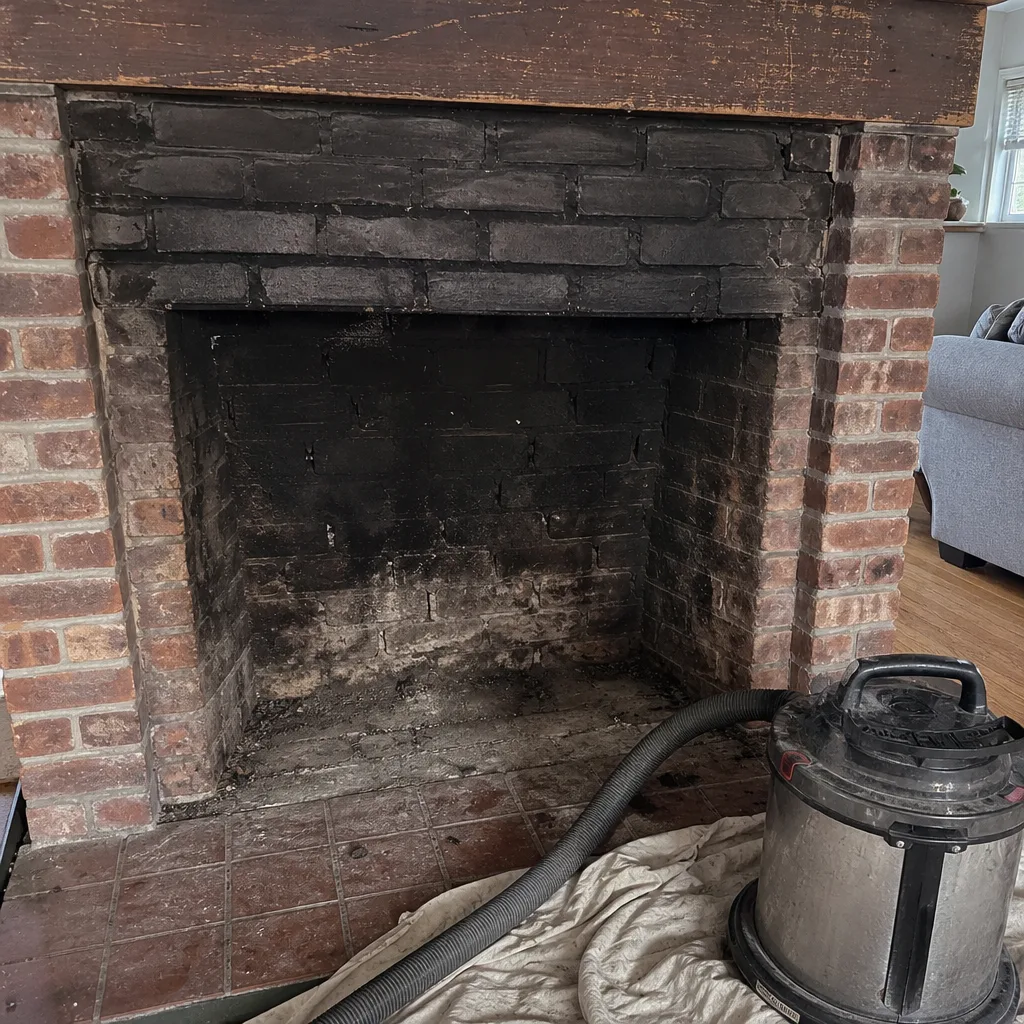 Before
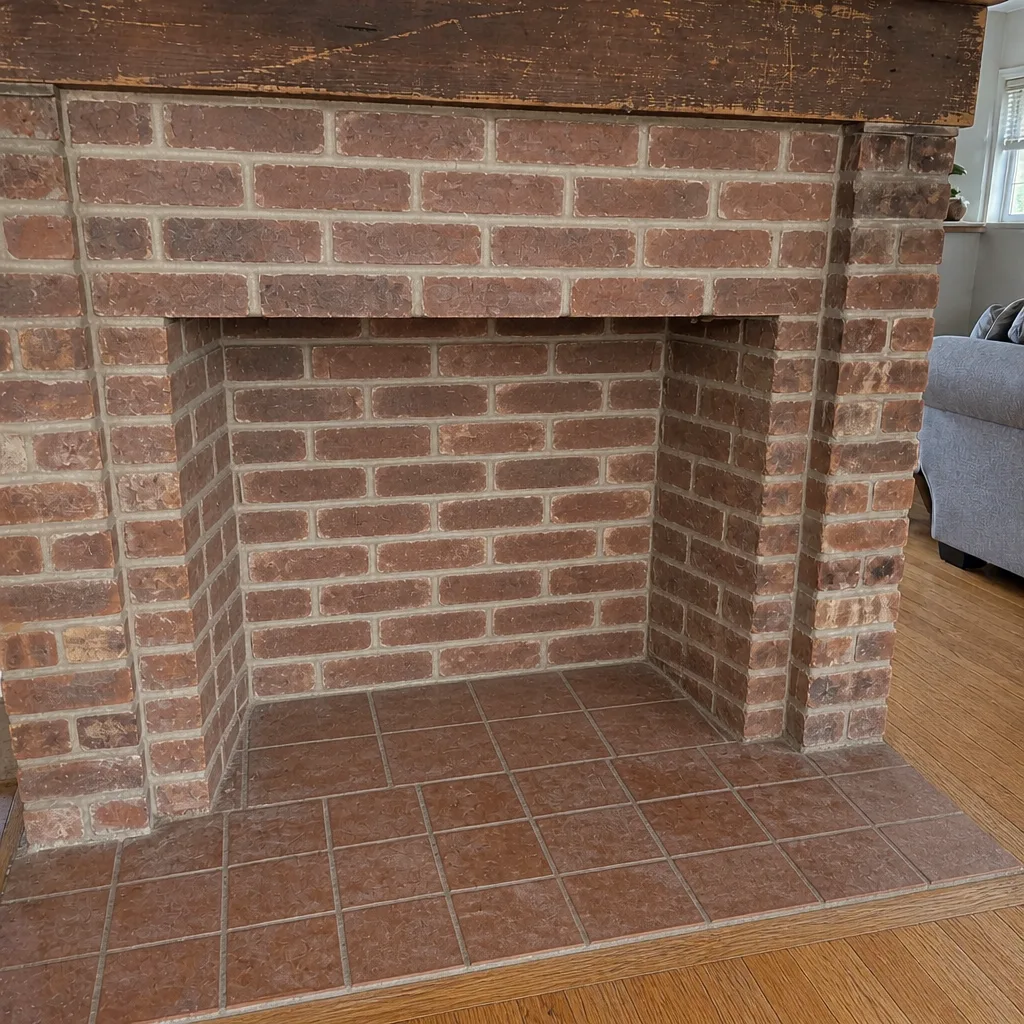 After
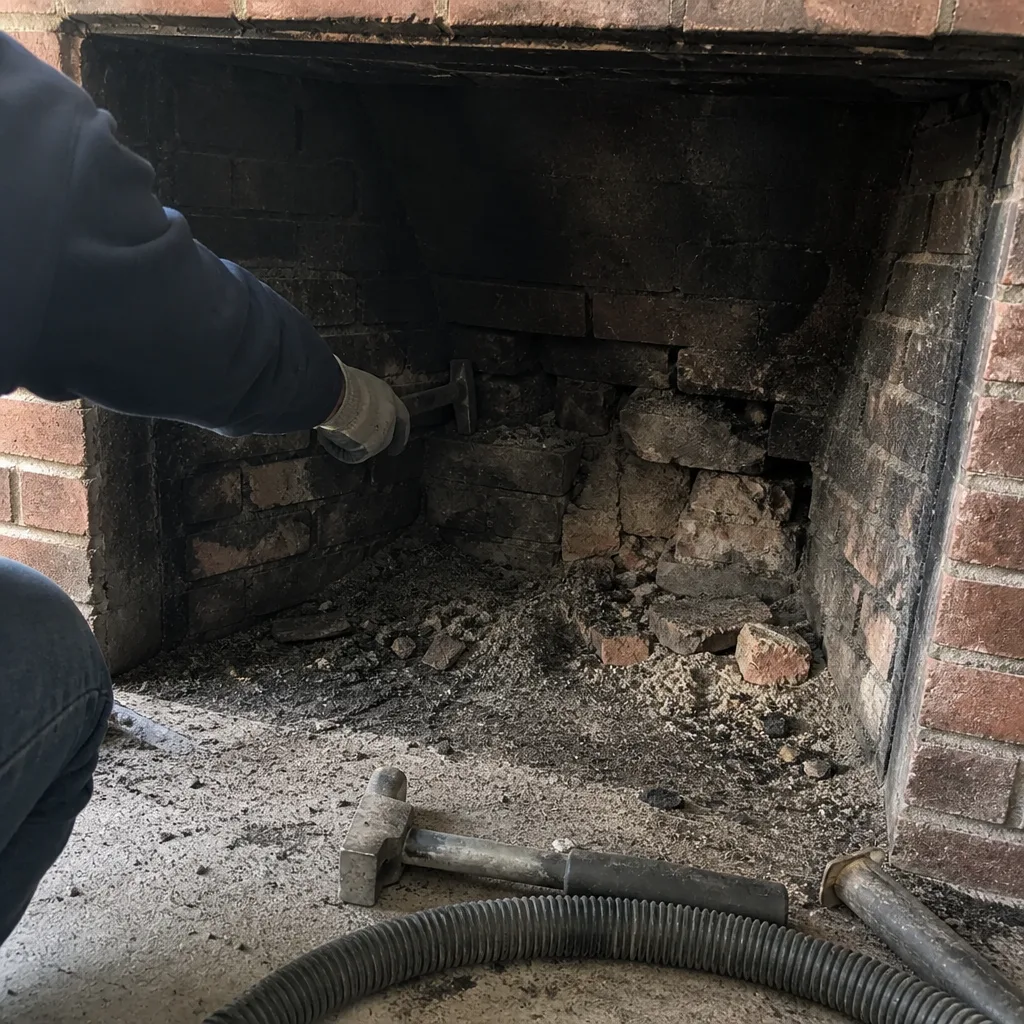 Before
 After
 Before
 After
When to Call a Professional
Call a professional chimney service any time you suspect a chimney fire, smell gas, or hear a CO alarm – those are 911 calls first, then a chimney inspection after the fire department releases the scene. Call us for a pre-season sweep and inspection, for any pre-season flue check you’d rather have a trained eye run, for a cap or crown that’s missing or damaged, for a fireplace insert whose venting you’re not sure of, or for a building-wide inspection after a shared-flue fire. Also call if you’ve had a fire you put out yourself and you don’t know what it did to the flue. Chimney Sweep Chelsea offers free estimates in Chelsea – call (866) 937-8809. We answer 24/7. Fast dispatch from 7am to 7pm, Sunday through Friday. The estimate is free and the price is set per job by the written estimate, and nothing is recommended without photographic evidence you can see for yourself.
Frequently Asked Questions
A chimney fire usually makes a low, sustained roar like a freight train, with rhythmic crackling coming from above the firebox rather than inside it. You may also hear metallic pinging from a liner pipe, and from outside you might see a flame plume or sparks at the crown. Any of those signs is enough to act – don’t wait to confirm it’s a fire. Call (866) 937-8809 after you’ve called 911 and had the scene released; we’ll get an inspection on the schedule.
Call 911 first if there’s fire, visible smoke backing into the room, a CO alarm, or you smell gas. A chimney sweep is the call for what happens next: the inspection and repair after the fire department has been on scene. Call (866) 937-8809 for the inspection – we answer 24/7, and dispatch runs 7am to 7pm, Sunday through Friday.
Not always. Whether a liner needs replacement depends entirely on the fire’s intensity and the condition of what’s underneath – a low-grade fire may leave damage the eye can’t see, and a serious fire often compromises tiles or a flexible liner beyond safe use. Nothing is recommended without camera evidence you can see for yourself, and we’ll tell you plainly when a flue is safe to use as-is. Call (866) 937-8809 – estimates are free.
Once a year is the standard, and it’s the annual sweep that removes the creosote load a chimney fire feeds on. Homes burning heavily, or burning unseasoned wood, may need a sweep more often within the season. The sweep plus inspection is what makes the yearly rhythm work – call (866) 937-8809 to get it on the schedule before the first fire of the season.
Yes. A blocked flue can’t vent, so combustion gases come back into the room, and a brownstone’s shared and older flues are a common place for that to develop. Pre-season flue checks catch blockages before you light the fire, and a CO detector at fireplace level is the backstop. Call (866) 937-8809 for a pre-season check – estimates are free.
The board should notify all shareholders or unit owners on the shared flue and arrange a building-wide chimney inspection, not just a check of the fire unit. A shared-flue fire can affect every unit on the stack, and the board’s documentation matters for the building’s insurer. Call (866) 937-8809 to coordinate a multi-unit inspection – we answer 24/7.
Nothing, until something – and the “something” is what this guide is about. Skipped sweeps let creosote accumulate to the point where a normal fire can ignite the flue, and skipped inspections let liner cracks and gaps go invisible until a CO event or a fire finds them. The annual sweep and inspection is the cheapest, most effective preparedness step a homeowner has. Call (866) 937-8809 to get one on the schedule – estimates are free.
The Bottom Line
Chimney emergencies don’t follow a schedule, so preparedness comes down to what you decided in advance. Know the signs: the roar and crackle of a chimney fire, the headache and confusion of a CO event, the smoke that drifts back into the room when a flue is blocked. Know the first five minutes: stop the fuel, close the damper if you safely can, evacuate, call 911, don’t use water. And know who to call once the fire department has released the scene – the professional who’ll inspect the flue, show you the photographic evidence, and tell you honestly what can wait and what can’t. In Chelsea’s older buildings, the annual sweep and inspection is the rhythm that keeps the worst from having room to develop. Call (866) 937-8809. We answer 24/7. Fast dispatch from 7am to 7pm, Sunday through Friday.
Written by the team at Chimney Sweep Chelsea.