
Last updated November 25, 2026
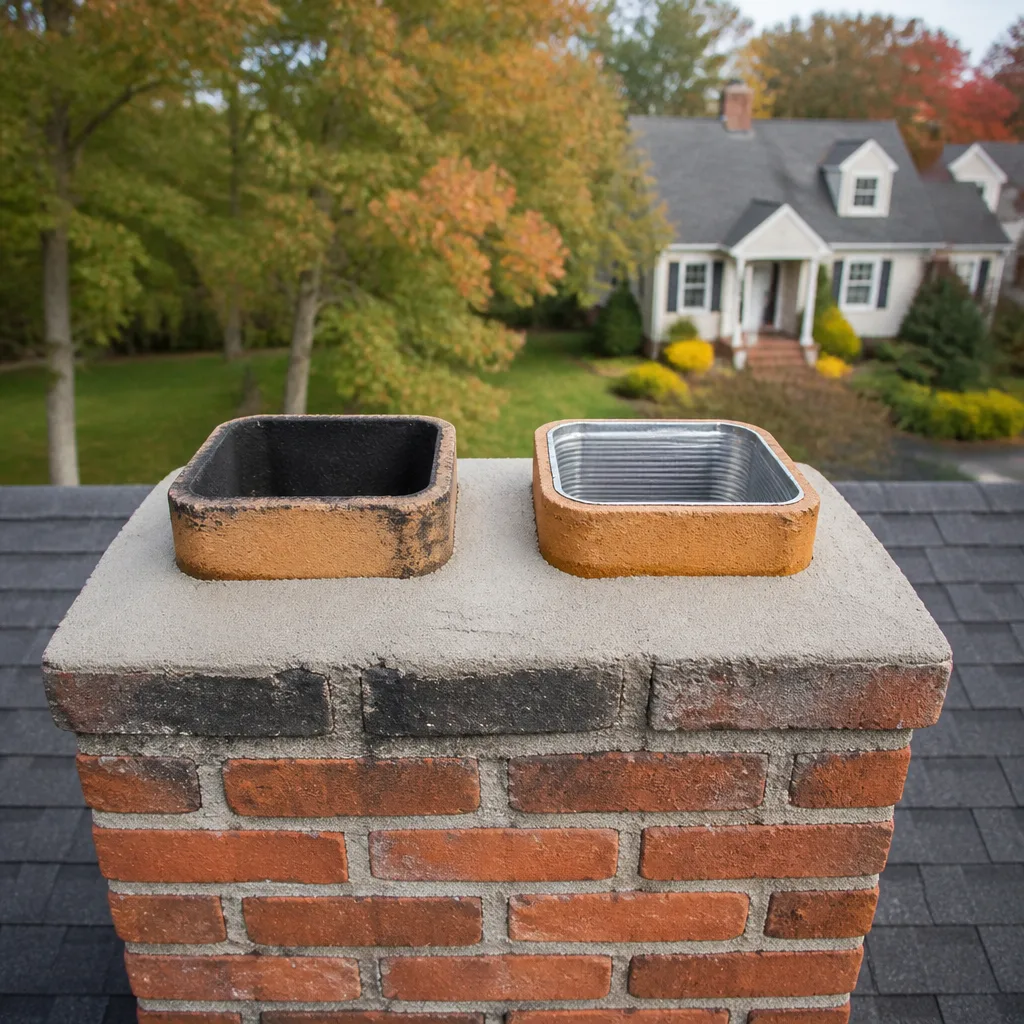 Sweep & inspection
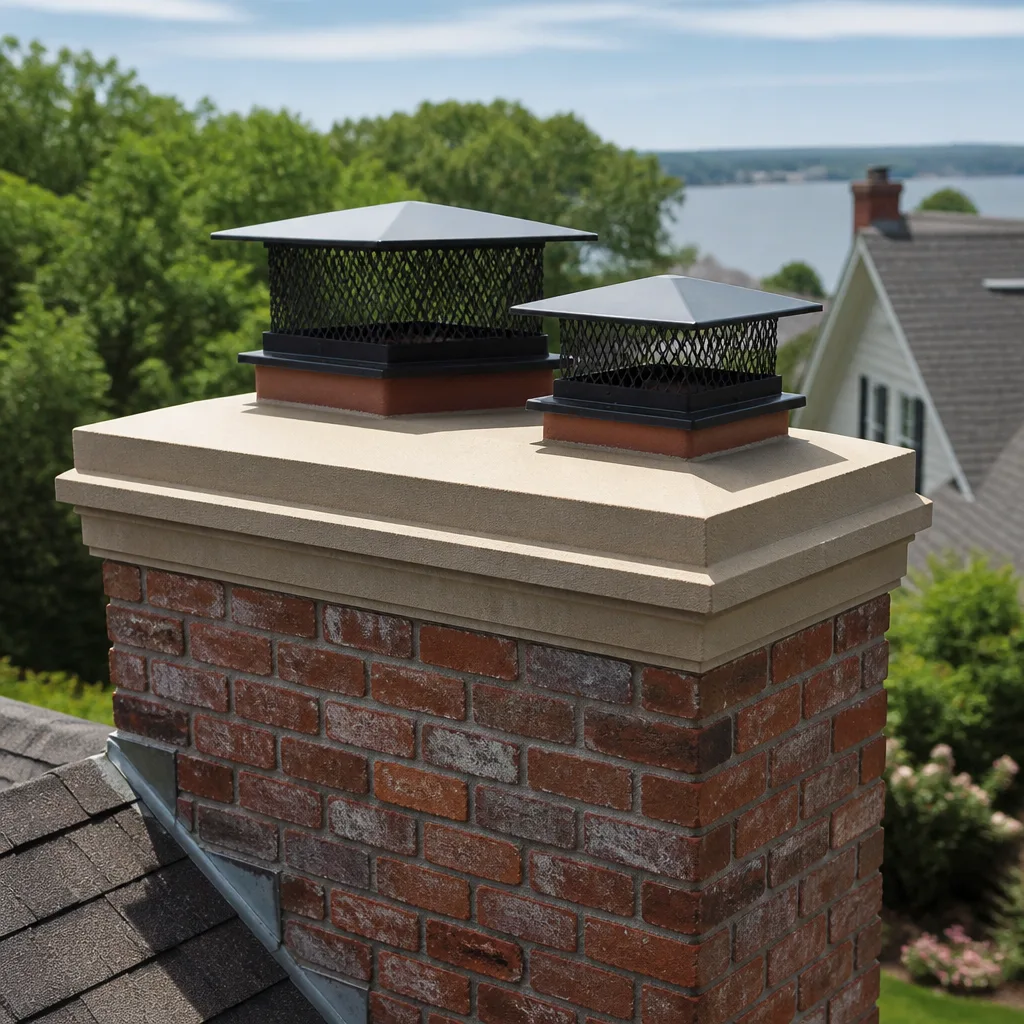 Caps & crowns
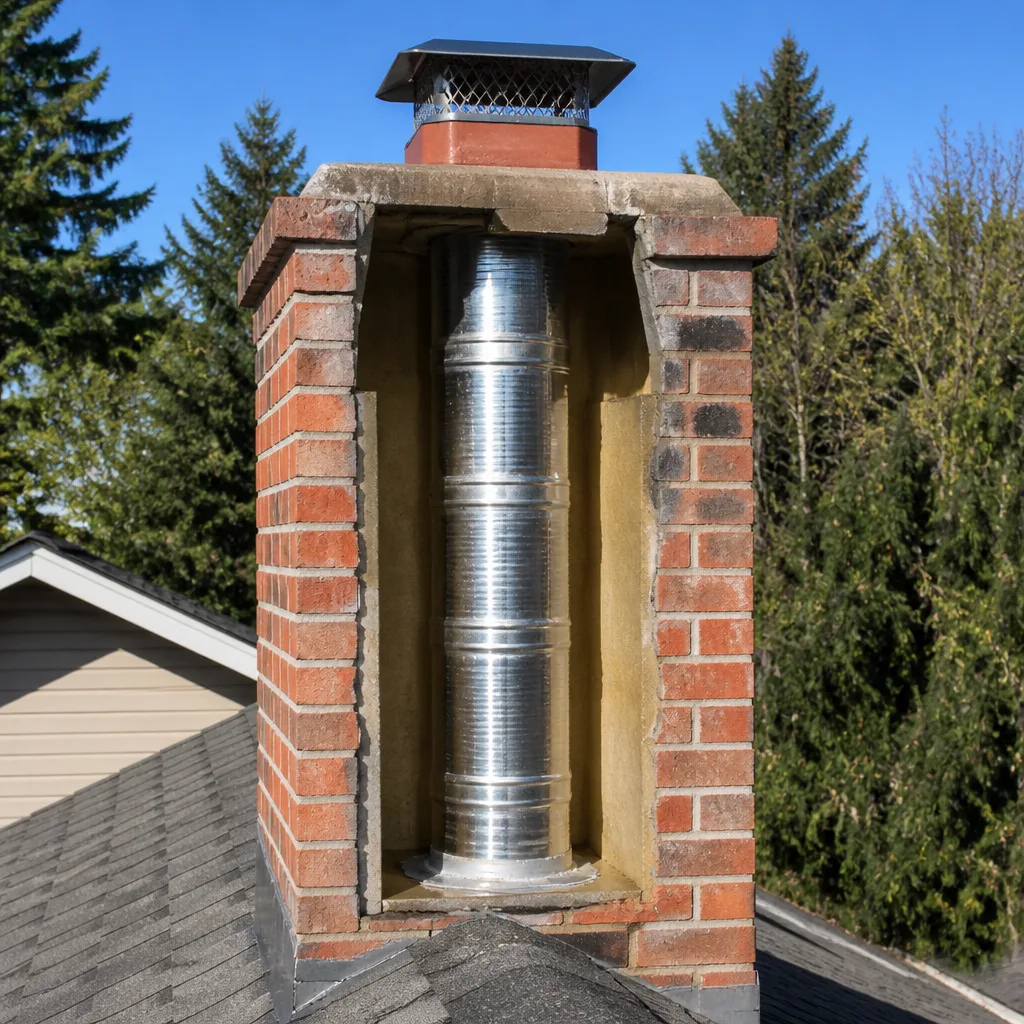 Flue relining
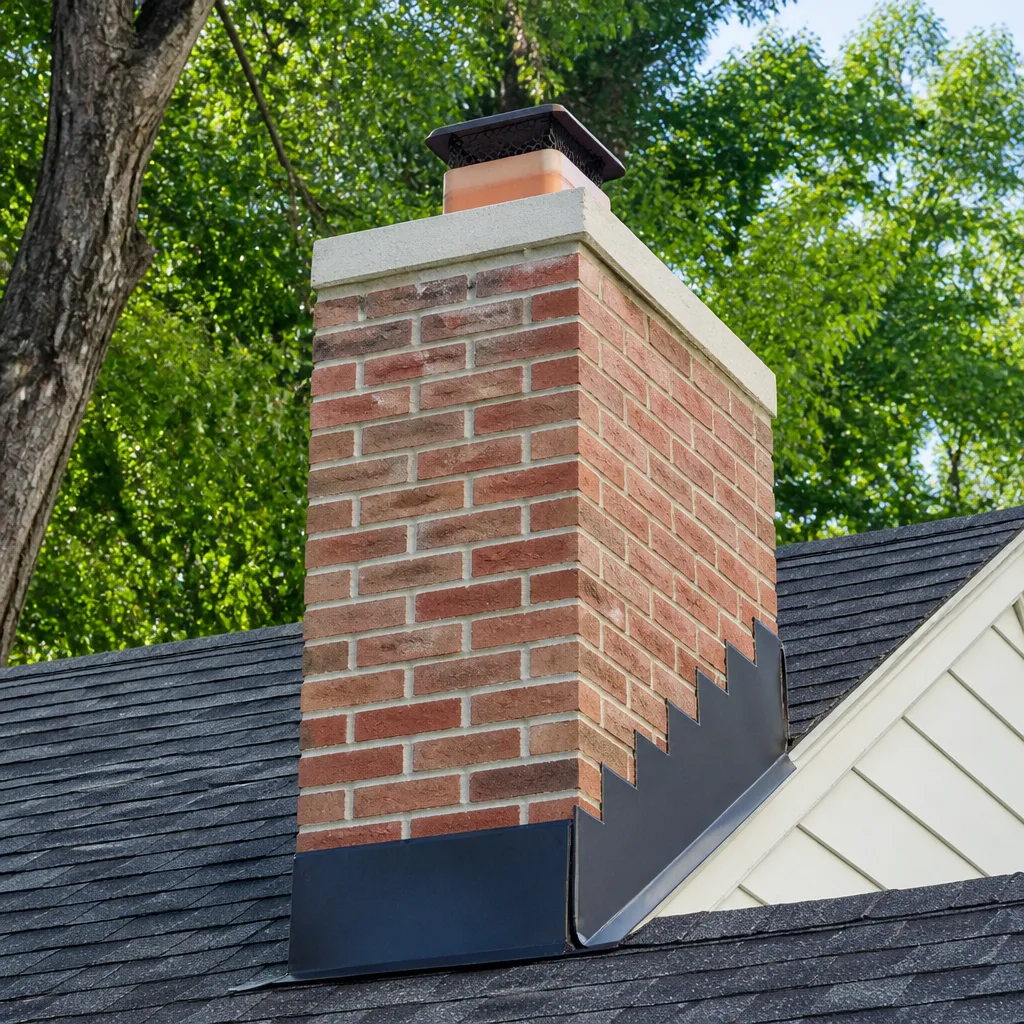 Masonry repair
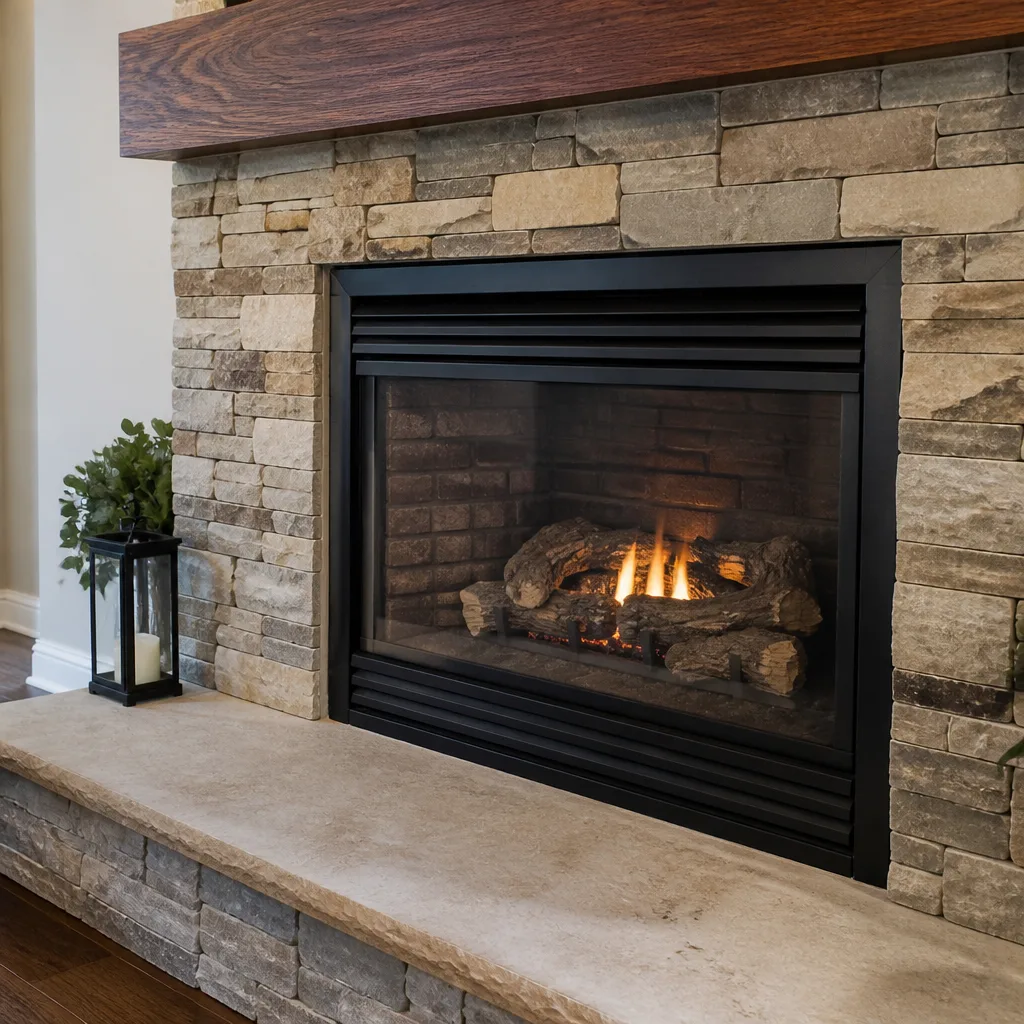 Gas fireplace service
Level 1 sweep and inspection to the NFPA 211 annual standard - flue, crown, cap, and flashing checked and photographed
Chimney sweep logs do not sweep chimneys. They loosen some creosote - which then falls where a brush and vacuum still have to collect it.
Chimney Sweep Maintenance Checklist for Chelsea Homeowners
Most chimney checklists you’ll find online were written for a house with a yard, a wood lot, and a raccoon problem. A Chelsea chimney lives a different life. It shares a roofline with HVAC exhaust stacks, competes for airspace with pigeons and starlings, and collects soot from neighboring fuel-oil boilers that find their way into flues nobody upstairs is watching. That’s why the single most skipped item on a standard checklist, confirming the flue cap is intact and correctly sized, is also the one behind most of the water damage and animal intrusion we see in urban row houses. This guide is a task-by-task reference calibrated to how a chimney in Chelsea actually wears, month by month and season by season.
Quick Answer
A working chimney maintenance checklist for a Chelsea home has four standing jobs: an annual professional sweep and camera inspection, a rooftop check of the cap, crown, and flashing before winter, a habit of burning dry seasoned wood, and a written record of every service visit with photos. Do those four and you’ll catch the problems that shorten a chimney’s life while they’re still cheap to fix. The rest of this guide breaks each one down by task and by time of year.
Styles & brands we work with
- Sweep & inspection
- Caps & crowns
- Flue relining
- Masonry repair
- Gas fireplace service
Table of Contents
- Why a Chelsea Chimney Needs Its Own Checklist
- The Month-by-Month Chelsea Chimney Calendar
- Rooftop Checklist: Cap, Crown, and Flashing Against Freeze-Thaw
- Interior Checklist: What You Can Do and What Needs a Camera
- How to Document Your Chimney Year Over Year
- Red Flags That Mean Stop Using the Fireplace Today
- What Can Safely Wait Until the Next Sweep
- What Happens on Sweep Day
Why a Chelsea Chimney Needs Its Own Checklist
Chelsea chimneys face a set of stresses that a suburban chimney does not, and understanding them explains every task in this guide. The first is rooftop density. In a row house or a converted brownstone, your chimney shares the roof with HVAC equipment, vent stacks, skylights, and a neighbor’s chimney a few feet away. Every one of those has the potential to send exhaust, debris, or moisture toward the flue. When a rooftop HVAC unit exhausts near a flue opening, contaminants ride the same air currents the chimney does. A correctly sized cap is what keeps them out of your interior system.
The second stress is animal pressure. Urban pigeons and starlings nest in cavities and find an uncapped flue irresistible. A nest is a fuel source sitting inside a vent, and it narrows the flue in a way that changes how the chimney draws. That’s why cap integrity is the item we check first on any rooftop visit.
The third is soot from neighboring fuel-oil boilers. In older Chelsea buildings, fuel-oil combustion has been part of the neighborhood’s heating history, and the residue travels. It settles with your own soot and can leave a denser creosote-and-particulate mix than a clean-burning wood fire alone would produce. The practical answer is consistent swept flues and closer attention to the creosote stage during your annual inspection.
The fourth is freeze-thaw. New York’s winter temperature swings work on masonry: water enters a hairline crack, freezes, expands, and widens it. A crown that looks fine in September can be cracked open by February. A five-minute rooftop check in autumn is what catches it before the cycle begins.
None of these conditions require a panic button. They require a calendar that reflects where you live, which is the point of the next section. If you take one thing from this opening, let it be that a checklist is only as useful as the local conditions it’s built around.
The Month-by-Month Chelsea Chimney Calendar
A national template tells you “sweep annually.” That’s not wrong, it’s just not a schedule. Here’s a calendar calibrated to how a Chelsea homeowner actually uses a fireplace through the year. Heating season drives the front half of the year; the off-season is for repairs and prevention.
- September: Book your annual sweep and inspection before the first burn. This is when a technician has the clearest view of what summer left behind, and it gives you time to address anything found before heating season is in full swing. This is also the ideal window for any chimney repair that surfaces.
- October: Rooftop check before freeze-thaw begins. Cap intact and sized correctly. Crown free of visible cracks. Flashing sealed. Any masonry joint that’s showing wear addressed while the weather still cooperates.
- November through February: Burn season. Keep a log of how often you use the fireplace and note anything unusual: smoke rolling into the room, an odor that wasn’t there before, a fire that’s harder to light. If you notice one of the red flags in the section below, stop using the fireplace and book a technician.
- March: End-of-season sweep if you burned heavily through the winter, or a mid-season sweep if creosote buildup was flagged in the fall. Book it while the memory of the season’s fires is still fresh so you can report anything you noticed.
- April through May: Structural repair season. Roofing conditions are stable, masonry can cure without freezing, and any liner work or chimney cap & crown replacement has a full warm season to settle in. This is the window for HeatShield resurfacing or a DuraFlex liner installation if either was recommended.
- June through August: Off-season interior checks. Clean the firebox, examine the damper operation, look for rust or moisture signs around the flue. Summer storms are a known cause of water intrusion around the crown, and warm weather is when you catch it.
Book each step a few weeks ahead. A Chesapeake calendar fills in around its own heating season; a Chelsea one does the same, and the September-through-October block is when demand compresses. Our technicians have up to 11 years of experience and know what an urban flue in this city looks like in each of these months. Call (866) 937-8809. We answer 24/7. Fast dispatch from 7am to 7pm, Sunday through Friday.
Rooftop Checklist: Cap, Crown, and Flashing Against Freeze-Thaw
Everything on this list should be checked by a technician with roof access, not by a homeowner climbing out a window. The reason is simple: a fall from a Chelsea rooftop is a serious injury, and a masonry joint inspected from below the roof line tells you almost nothing. But you should know what your technician is looking for, because it helps you ask better questions and recognize when something sounds off.
- Flue cap: intact, correctly sized, and secured. A cap that’s too small lets rain blow in. A cap that’s too large lets birds nest in the gap. A cap missing entirely is an invitation for pigeons and starlings and for water to enter straight into the flue every rainstorm. Caps and covers are often the cheapest fixes in chimney work and the ones that prevent the most expensive damage.
- Crown: free of cracks and correctly sloped so water sheds away from the flue. A hairline crack in October becomes a larger crack after a winter of freeze-thaw. Crown resurfacing or replacement is a masonry job, but a well-built crown is the single best defense against the moisture cycle that destroys a chimney’s long-term integrity.
- Flashing: sealed where the chimney meets the roof. Flashing is the metal or sealant joint that connects the brickwork to the roof, and it’s the most common failure point on a Chelsea roofline. Torn flashing, cracked sealant, or flashing that’s been patched and patched again is where water enters the attic and the ceiling below.
- Masonry joints: mortar repointed where it’s crumbling. In a freeze-thaw climate, water gets into a bad joint, freezes overnight, and expands. Mortar that looks solid in July can be soft and crumbling by December, and that’s what a technician is looking for.
- Chimney chase and siding: intact, free of holes, no gaps that admit water or small animals. Urban chimneys often share a wall with structure that’s been patched by more than one trade over the years. Missing pieces of exterior chase are how sparrows and squirrels find their way in.
We work with cap and cover products from brands such as Gelco and Famco because the small details here are what stop water intrusion and animal entry. A cap installed well is the single most reliable maintenance item you can put on the roof. A cap installed poorly is a five-minute problem five years later.
Interior Checklist: What You Can Do and What Needs a Camera
Some chimney checks are safe for a homeowner. Some aren’t. The line between them isn’t about being handy or not; it’s about what a camera can see that your eye can’t and what you should never touch. Here’s the split, plainly.
Safe for you to do:
- Look up the firebox and the visible flue with a flashlight. You’ll see soot, creosote color (black and glossy means the highest stage), and any obvious debris. You’re looking, not touching.
- Operate the damper. It should open and close smoothly. A damper that sticks, doesn’t close fully, or leaves a visible gap is a call-the-technician item.
- Check the smoke-on-burn behavior. Light a fire and observe. Smoke entering the room, poor draft, or a persistent odor that wasn’t there before are all signals worth reporting.
- Inspect the firebox for cracks. Hairline cracks and missing firebrick are common in older brick fireplaces and should be documented for your technician.
- Look for water staining. Ceiling stains near the chimney chase, water marks on the firebox wall, or rust on the damper are all moisture indicators worth flagging.
Needs a technician with a camera:
- Sweeping the full flue, including the offset and any bends.
- Inspecting the flue interior for liner cracks, spalling brick, or separation at the joints.
- Any flue that’s been compromised by a previous fire or by years of heavy creosote.
- Any question of whether a liner needs resurfacing or replacement.
A camera inspection is the difference between “the flue looks fine from the firebox” and “I’ve seen every foot of the flue and can tell you what’s there.” We use HeatShield resurfacing and DuraFlex liner systems when a full reline or renewal is the answer, and those products only work when the diagnosis is right the first time. Our chimney sweep visit includes the camera inspection, and we show you the footage. Nothing gets recommended without evidence you can see for yourself.
How to Document Your Chimney Year Over Year
Most homeowners keep their chimney records in their heads and lose the specifics by the next visit. That’s a mistake in Chelsea, and it’s an expensive one at resale. When you sell a home, or when a co-op board asks about maintenance history, a documented chimney tells a different story than a chimney with no paper trail.
Here’s a simple system that works:
- Keep a physical or digital folder with the report from every sweep, inspection, and repair. Any inspection camera footage we capture should be saved there too.
- Note the date, the technician, and the finding. One line per visit. “Annual sweep and inspection: moderate creosote, flue clear, cap intact.” Takes 30 seconds and becomes your maintenance history.
- Photograph the rooftop items once a year. A photo of the cap, the crown, and the flashing in October gives you a before-and-after reference for the following year. If your technician says “the crown is showing cracks,” that photo is the baseline.
- Log every burn season’s usage. Roughly how many fires, how much wood, any unusual behavior. This helps the next technician read the buildup correctly.
- Note any repair in detail. If we installed a DuraFlex liner or applied HeatShield resurfacing, that’s a record worth keeping alongside the sweep report. Replacement liner paperwork matters at resale and for future inspection accuracy.
A documented chimney is also a Chimney Sweep Chelsea advantage. When we come back the following year, we can compare what we find against what we recorded. That comparison is how small problems get caught early, and it’s why our first recommendation to a new Chelsea client is always the same: keep a folder.
Red Flags That Mean Stop Using the Fireplace Today
Some chimney problems are maintenance items. Some are stop-burning-now items. Being able to tell them apart is the most important skill on this whole list. Here’s the hard line.
Stop using the fireplace today if you observe any of these:
- Smoke rolling into the room when the damper is open. This can indicate a blocked flue, a failed damper, or a draft problem that could be sending carbon monoxide into the space.
- A strong, unfamiliar odor that wasn’t there before. Burning smells and chemical odors are worth stopping for and calling.
- Visible cracks in the firebox or in the visible flue wall, especially if they’ve widened since your last look.
- Water staining on the ceiling or wall near the chimney where there’s active leaking.
- A chimney fire event – a loud roaring sound from the flue, a hot chimney exterior, or visible flame or sparks at the top – followed by stopping use immediately and calling for inspection, even if everything looks fine afterward.
- Carbon monoxide detector going off with any connection to the fireplace. Get everyone out, call 911, and have the chimney inspected before using it again.
- A nest or animal in the flue that you know of, or evidence of one at the damper.
A blocked or compromised flue can push carbon monoxide into a living space rather than up and out of the chimney. That’s the reason these items are non-negotiable. A professional inspection is what distinguishes a real hazard from a false alarm, and it takes minutes.
Don’t diagnose this yourself and don’t try to clear a flue or inspect a firebox interior beyond a visual check. Chimney work involves heights and hazardous combustion residue. A trained technician is the right answer for anything on the stop list.
What Can Safely Wait Until the Next Sweep
Plenty of chimney findings are real but not urgent. Knowing which ones can wait a few weeks or months lets you budget sanely instead of paying premium attention to a checklist item that isn’t costing you anything today. Here’s the honest list, and it’s a longer one than most checklists suggest.
- Moderate soot buildup below the level that compromises draft. Real, worth sweeping soon, not a call-the-emergency-line situation.
- A cap that’s slightly undersized but still secured and functional. Worth upgrading at the next scheduled visit, not a reason to cancel the winter’s fires.
- Cosmetic masonry wear that isn’t admitting water: efflorescence, minor spalling on the exterior, a bit of mortar looking tired. This will need attention; it isn’t today’s emergency.
- Aging but functional damper hardware that opens and closes fully. Worth planning to replace, not a stop-burn item.
- Scuffed or worn firebox surfaces without structural cracks. Cosmetic, scheduleable.
- A minor crack in an exterior crown that hasn’t yet reached the flue opening and isn’t admitting visible water. This is the most borderline item on the list, and we’d still want to see it before the freeze sets in.
- Flue residue from prior seasons that a scheduled sweep will handle.
Where “wait” ends and “don’t wait” begins is a judgment call that rests on the evidence from an inspection. We say plainly when work can wait, and we say why. If a finding is borderline, a technician can explain the range: “worth doing in the next year but not before the next fire.” That’s a better answer than an alarm button. Our Chimney Sweep Chelsea guide to what to expect from a visit covers this decision-making in more detail.
What Happens on Sweep Day
A chimney sweep is often treated as an opaque ritual. Here’s what actually happens, so you know what to expect and can ask the right questions.
- Setup and protection. The technician lays drop cloths, seals the firebox opening with a vacuum system, and sets up the equipment. Soot gets contained, not spread.
- Sweep. The flue gets brushed from top to bottom (or bottom to top, depending on the flue’s configuration) with the correct sized brushes for the flue. The firebox and smoke shelf are cleaned at the end of the sweep.
- Camera inspection. The technician sends a camera down the flue to see the full interior. This is where the real value of the visit is: not just cleaning what’s there, but confirming the flue is sound.
- Report and photos. Findings are documented with photos and footage. You see what the technician sees. Any recommendation is backed by visual evidence.
- Discussion and estimate. If a repair is needed, the technician walks you through it and the flat-price estimate. Nothing is billed that isn’t agreed before work is scheduled.
A good technician will also answer your questions about the coming season: what wood to burn, what to watch for, whether the current usage pattern matches the flue’s condition. Sweep day is the ideal time to ask.
One company handles the sweep, the inspection, and any repair we find. You’re not bouncing between contractors. Chimney work only, and that focus is why the visit ends with a camera report rather than a sales pitch. To book, call (866) 937-8809. We answer 24/7. Fast dispatch from 7am to 7pm, Sunday through Friday.
Common Mistakes to Avoid
- Assuming an annual sweep is enough on its own. A sweep cleans the flue; an inspection confirms it’s sound. The two are different jobs, and skipping the inspection is how a small crack becomes a structural repair.
- Ignoring the cap and crown because they don’t affect daily use. These two items cause more water damage and animal intrusion than any interior problem. Crowning and cap work is nearly always cheaper than the repairs that follow from skipping it.
- Burning unseasoned or “green” wood to save on firewood cost. Green wood produces more creosote and more water vapor. That residue is what stages of creosote buildup are measured against, and the highest stage is the one that ignites.
- Letting a space heater or HVAC contractor handle the chimney “while they’re up there.” A generalist with a brush is not a chimney specialist with a camera. The two are not interchangeable, and a Chelsea roofline has enough going on that this matters.
- Treating co-op board inspections as an annual formality. A documented maintenance record is what protects you when a co-op board or building manager asks about chimney history. Build the folder, don’t just say you have one.
- Assuming a converted brownstone’s original flue is interchangeable with a modern one. Older Chelsea buildings often have flues built for fuels and appliances that no longer match today’s fireplace. A camera inspection is how you find out.
- Waiting until the smell gets bad. Chimney problems are cheap to address early and expensive late. The smell you’re noticing is not the first sign; it’s usually the last.
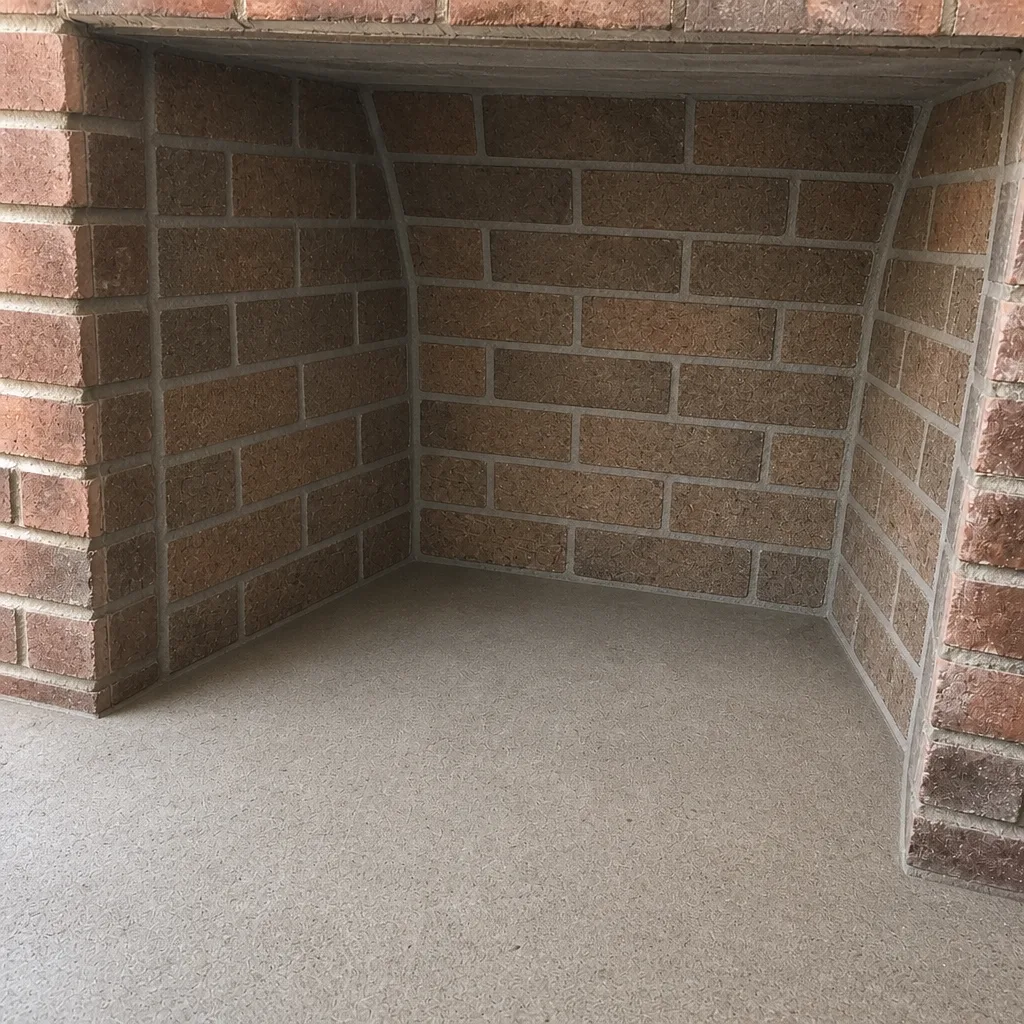
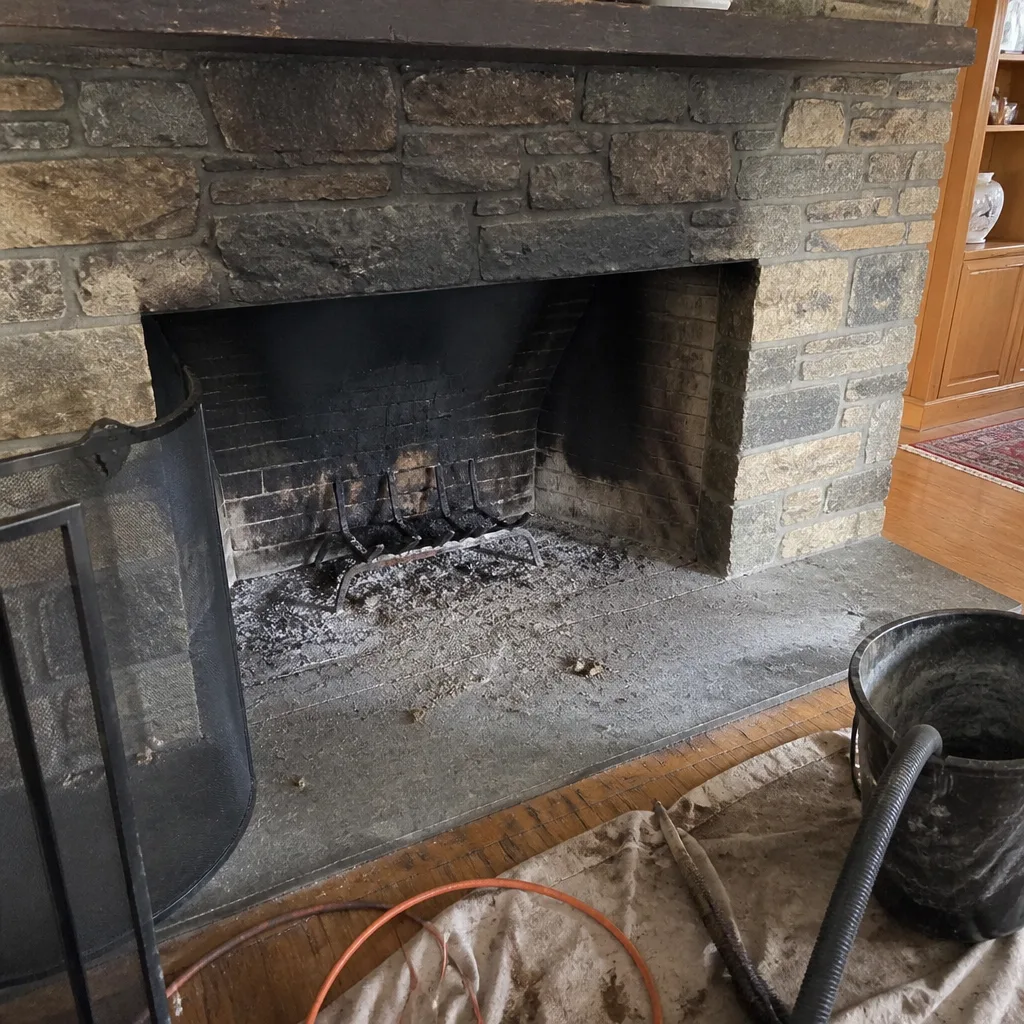
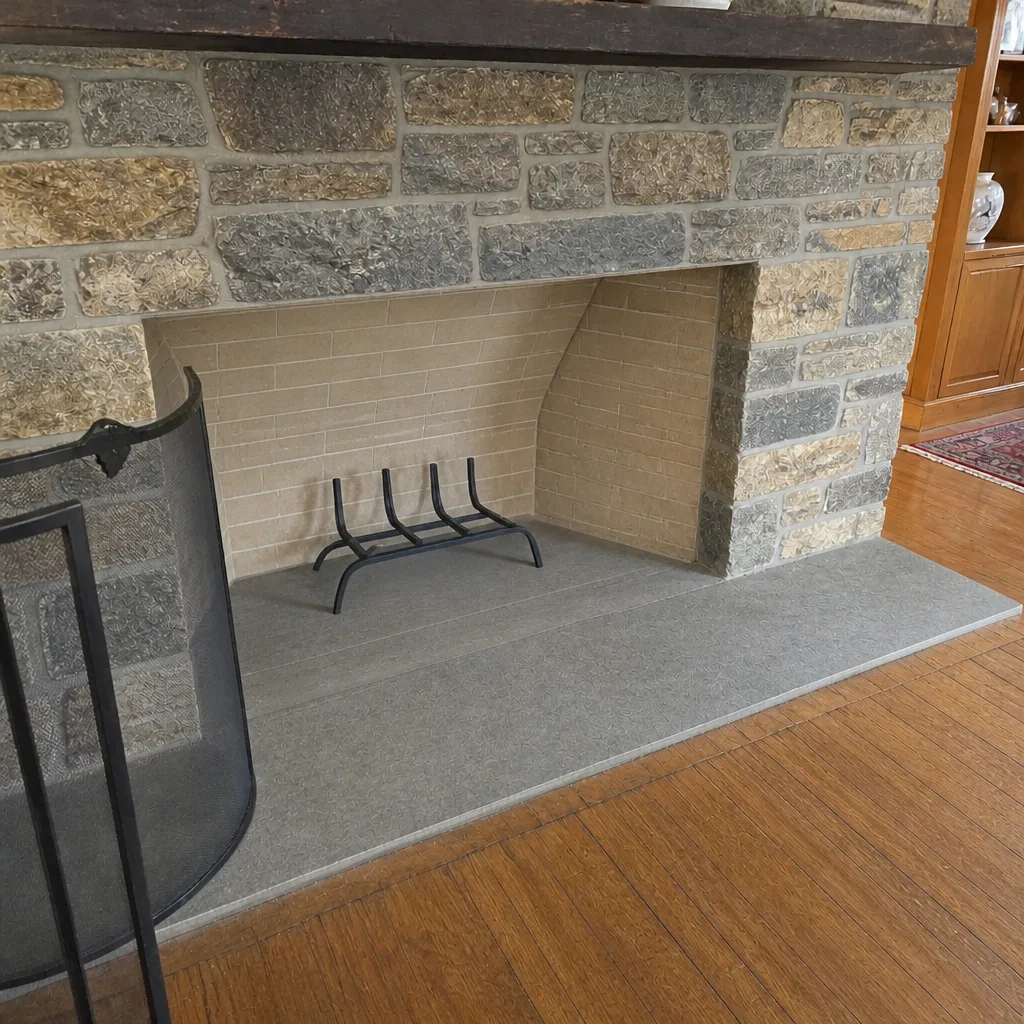
See the difference
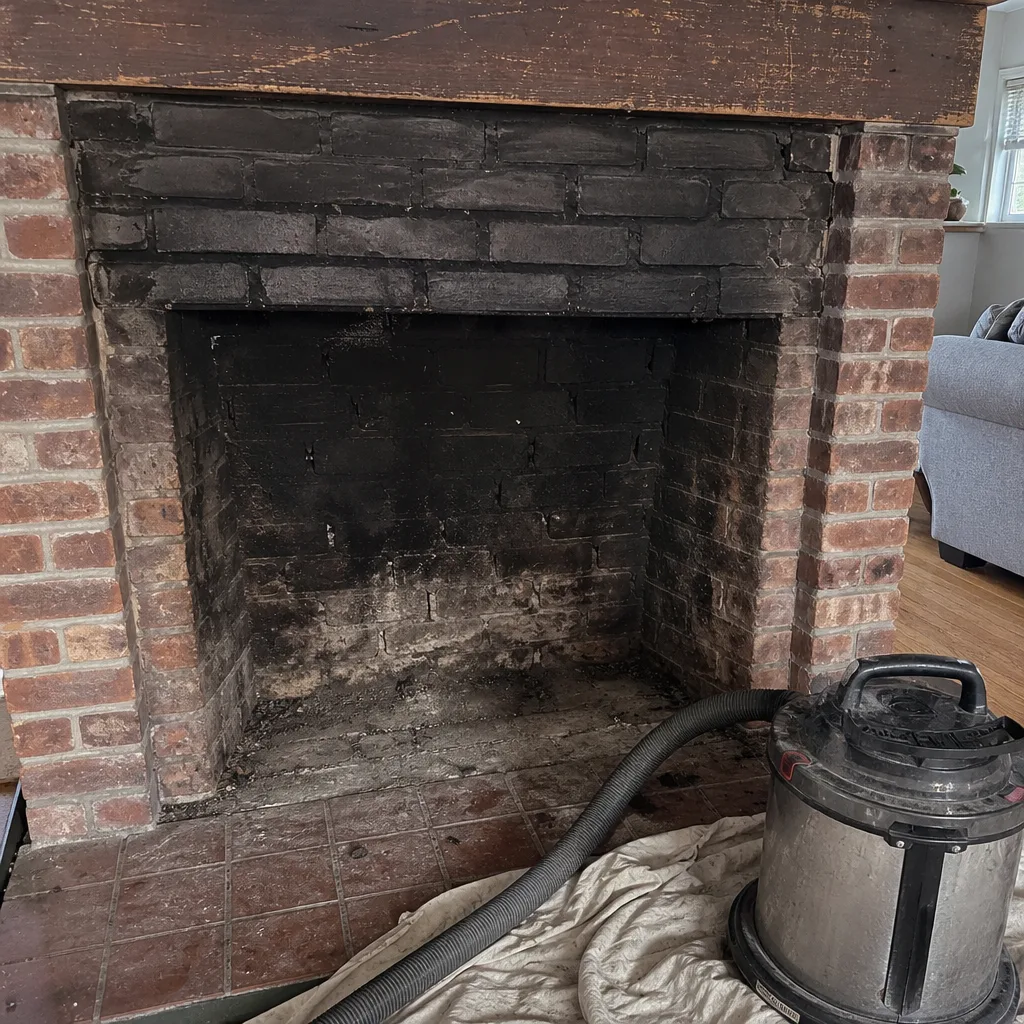 Before
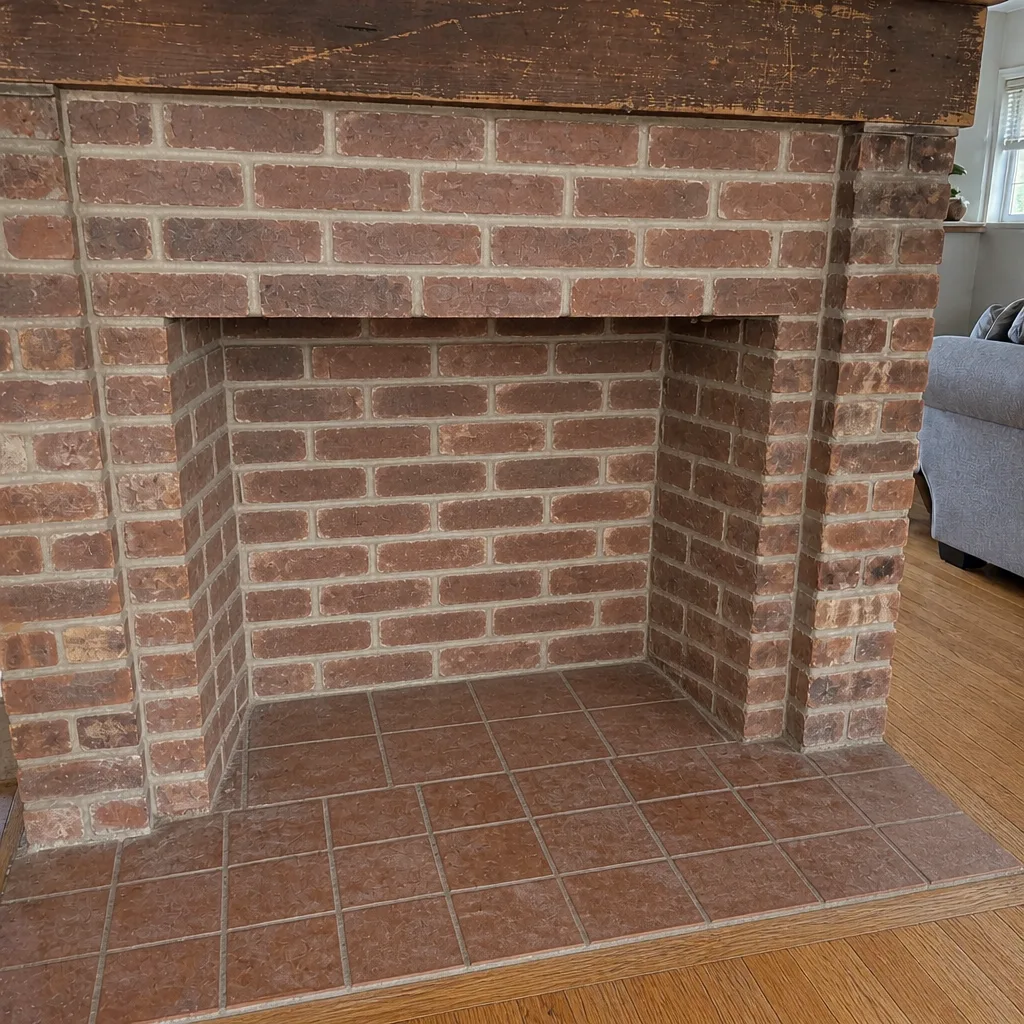 After
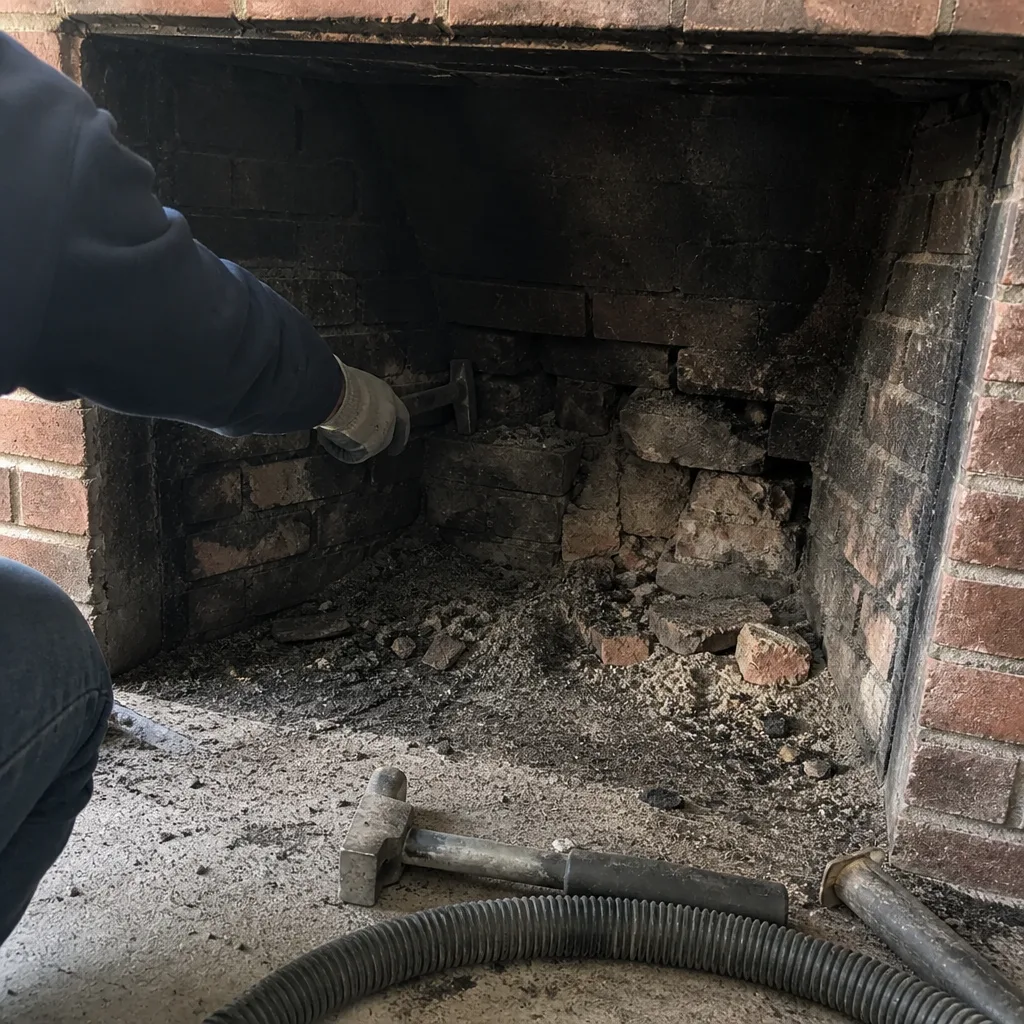 Before
 After
 Before
 After
When to Call a Professional
Call a professional when anything on the stop-burning list above appears, when it’s been a year or more since the last sweep, when you’ve moved into a Chelsea home with an unknown chimney history, or when you notice a new odor, a draft problem, or visible moisture. Call before you install a new insert or change the type of fuel you burn, because the flue that served the previous system may not be correct for the new one. Call when you’re buying or selling a house and want a documented condition report. And call when a co-op board asks for maintenance records you don’t have. Chimney Sweep Chelsea offers free estimates in Chelsea, and we can schedule a visit to look at anything on this list. Call (866) 937-8809 to book.
Frequently Asked Questions
Most Chelsea homeowners should have their chimney swept once a year, ideally in the fall before heating season begins. If you burn heavily or notice heavy creosote buildup, a mid-season sweep is worth adding. A camera inspection should accompany the annual sweep even if you’re not sure you need it; that’s how we confirm what the sweep found.
A sweep cleans the flue of soot and creosote; an inspection evaluates the flue’s condition and checks the rooftop components like the cap, crown, and flashing. You want both. In a city where many chimneys are shared or closely spaced, the inspection frequently turns up things the sweep alone wouldn’t flag.
Only if the camera inspection shows the existing liner is cracked, spalling, or failing at the joints. We recommend a liner replacement using DuraFlex or HeatShield resurfacing only when there’s photo evidence of a problem, and we show you that evidence before recommending anything. If your existing liner is sound, we’ll tell you so.
A strong odor in warm weather is a common sign of creosote or soot reacting with humidity, and it can also point to a draft or airflow issue. It’s worth a visit to determine which. A camera inspection usually pinpoints the source quickly.
Yes, several. Visual firebox checks, damper operation, monitoring smoke behavior, and keeping a records folder are all safe for a homeowner. Anything involving roof access, flue interior inspection, or masonry work is not, and shouldn’t be attempted without training and the right equipment.
Keep a folder of every sweep report, inspection photo, and repair estimate. A documented maintenance history is the standard the board is asking for. Chimney Sweep Chelsea provides written reports with photos you can add to your folder for every visit.
The Bottom Line
A Chelsea chimney maintenance checklist is a four-part habit: sweep and inspect annually, check cap-crown-flashing before every winter, control what goes into the flue, and document what you find. The urban conditions here, from HVAC contamination to pigeon nesting to freeze-thaw damage, make consistency matter more than in a typical detached-home market. Get the routine right and the expensive problems mostly don’t happen. If you’d rather one specialist handled the sweep, the inspection, and any repair found, that’s exactly what we do. Call (866) 937-8809 for a free estimate. We answer 24/7. Fast dispatch from 7am to 7pm, Sunday through Friday.
Written by the team at Chimney Sweep Chelsea.