
Last updated November 25, 2026
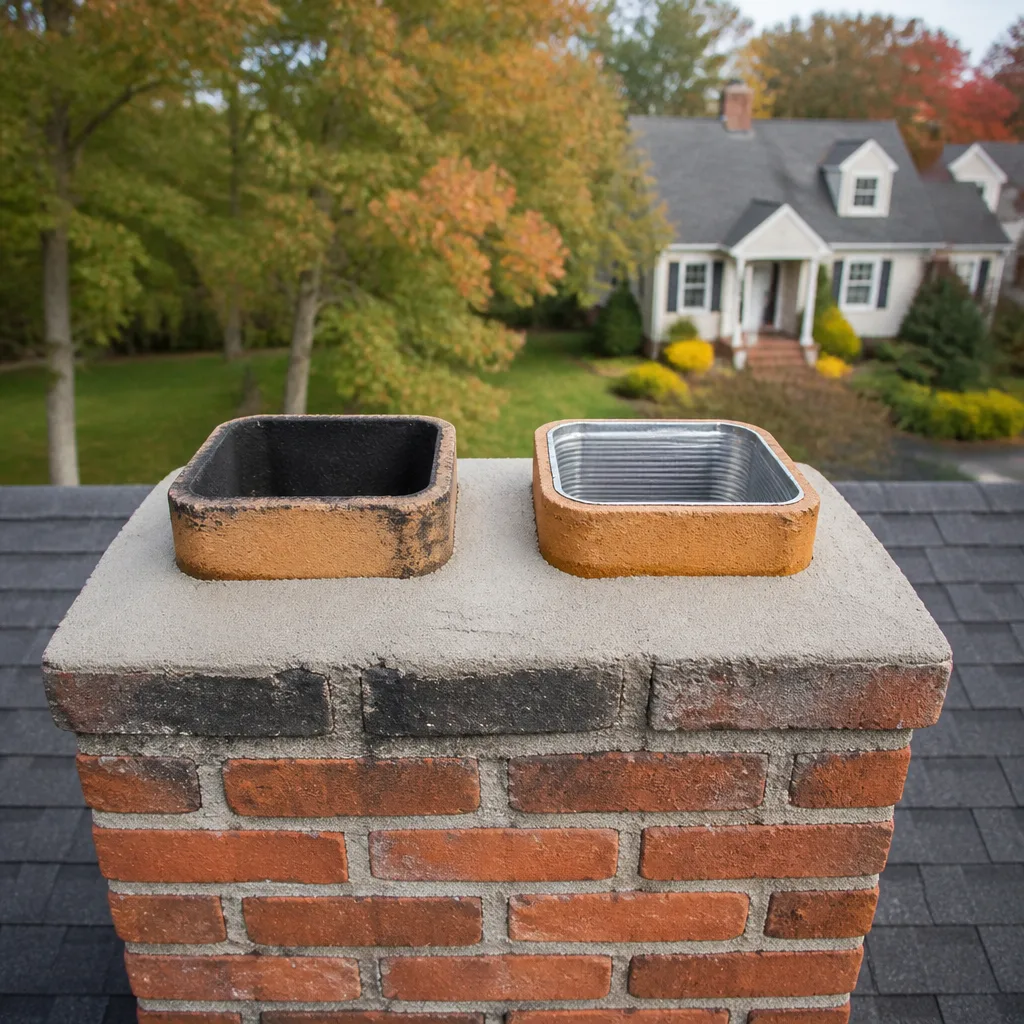 Sweep & inspection
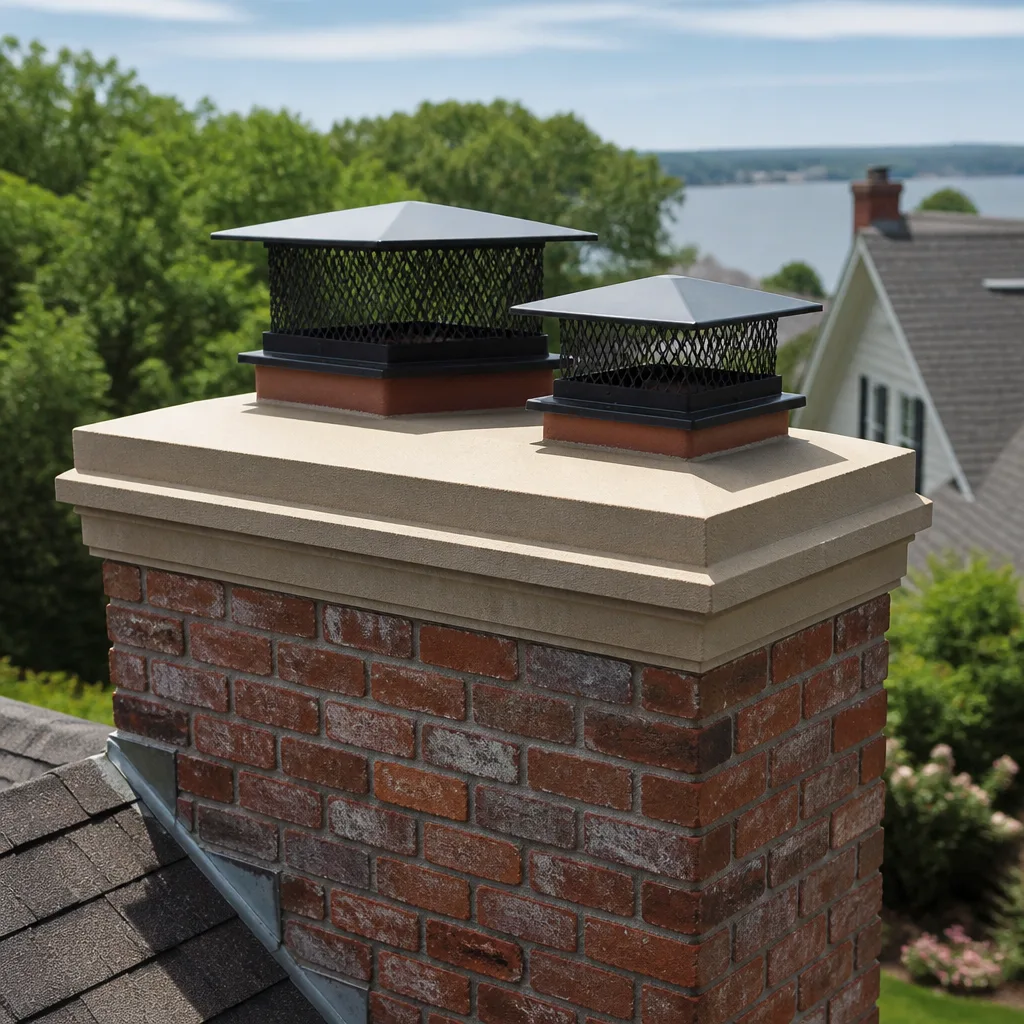 Caps & crowns
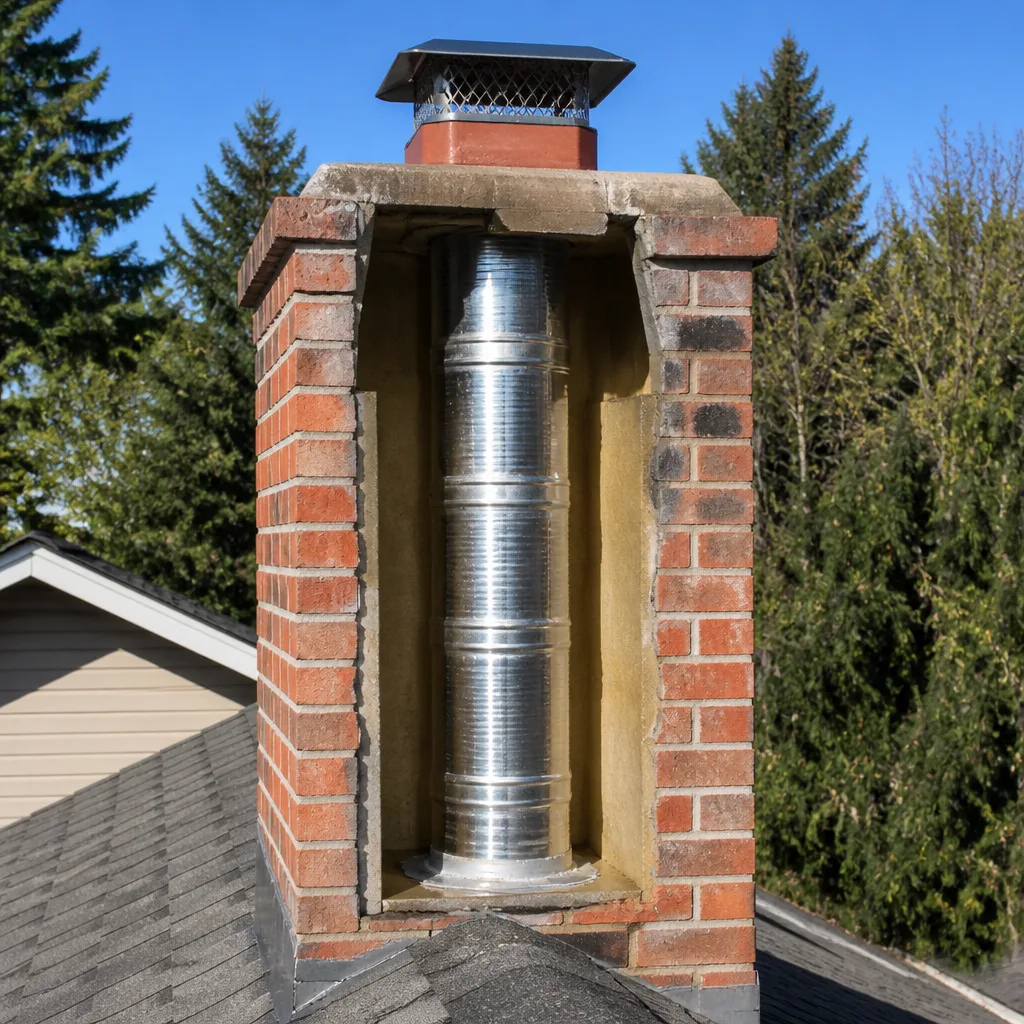 Flue relining
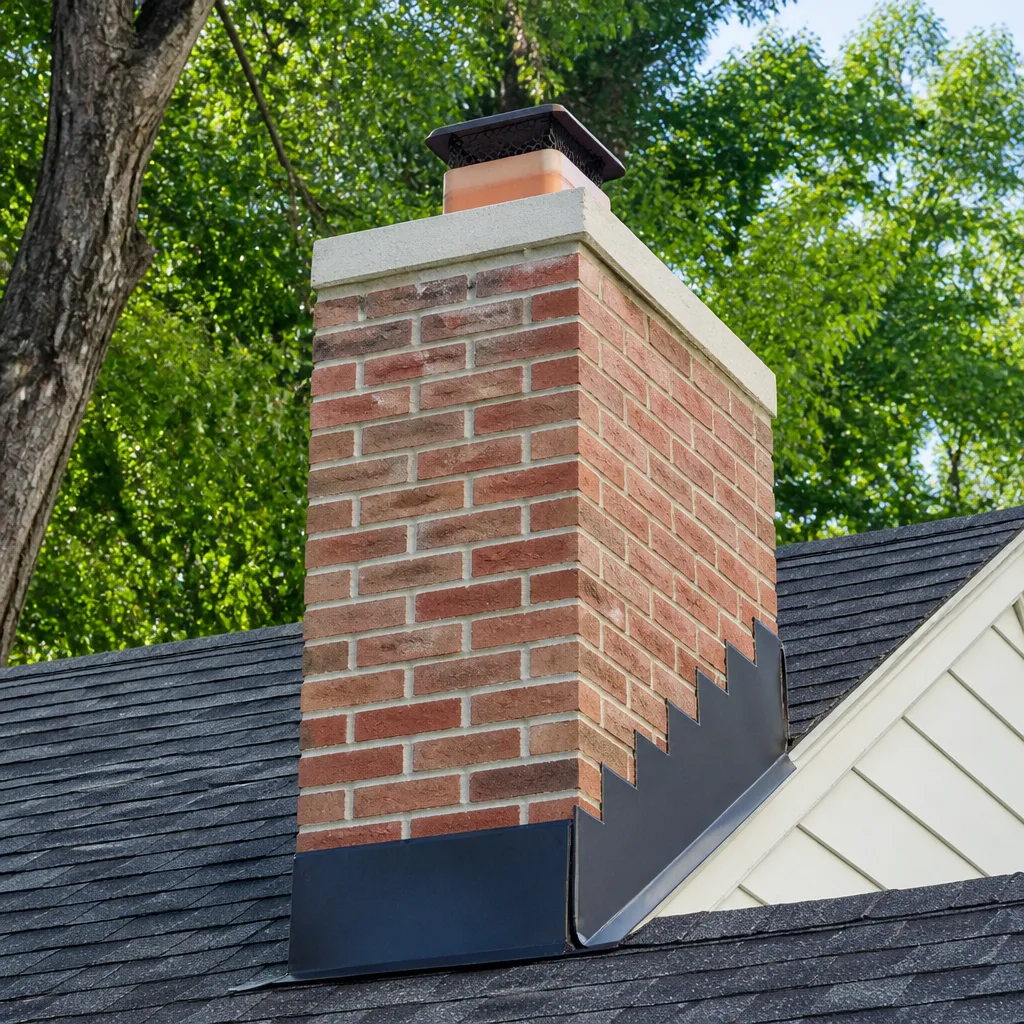 Masonry repair
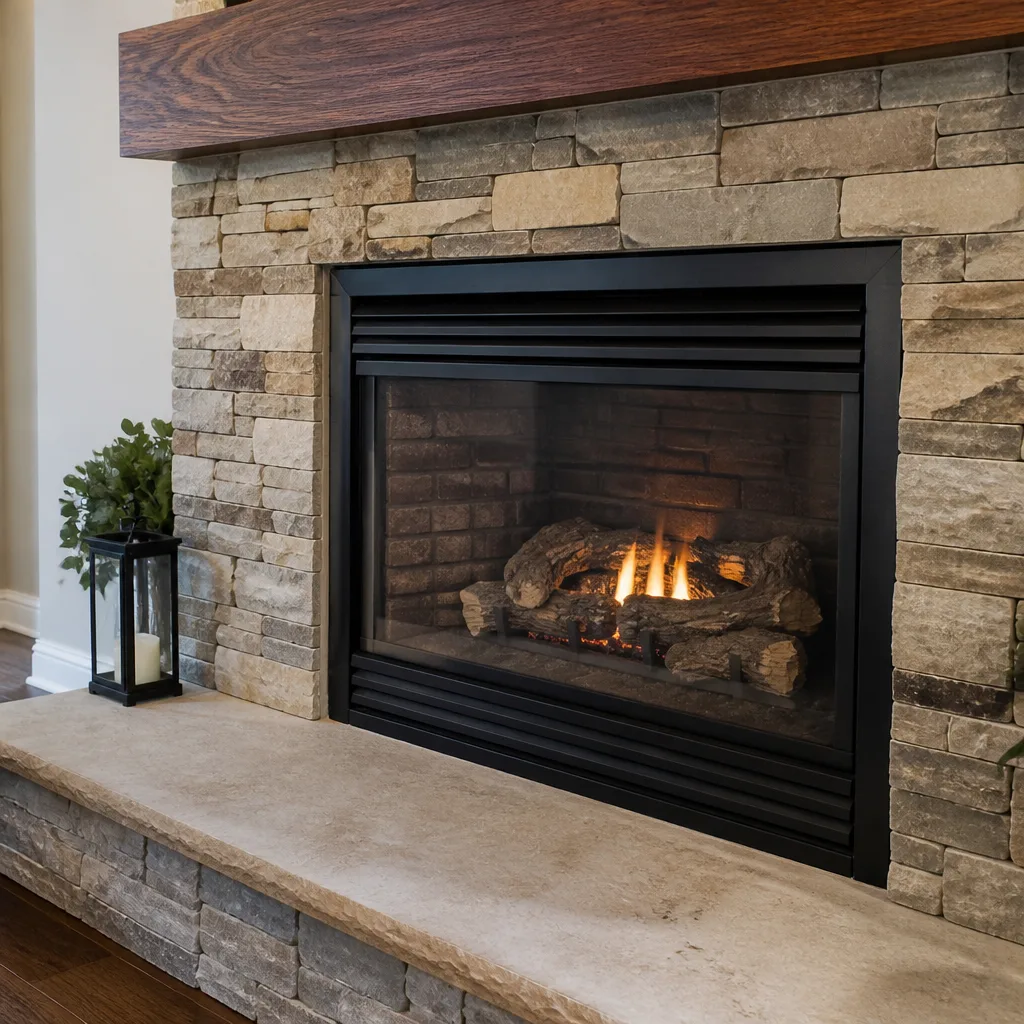 Gas fireplace service
Level 1 sweep and inspection to the NFPA 211 annual standard - flue, crown, cap, and flashing checked and photographed
Chimney sweep logs do not sweep chimneys. They loosen some creosote - which then falls where a brush and vacuum still have to collect it.
Choosing the Right Chimney Cleaning Brand: A Buyer’s Guide for Chelsea
When a contractor replaces your chimney cap with a no-name galvanized steel unit instead of a stainless steel cap from a manufacturer like Gelco or Olympia Chimney, you won’t see the difference from the street. You’ll see it when it rusts through in four years instead of lasting twenty. Most homeowners shopping for chimney work compare labor prices and never ask what brand of liner, sealant or cap is going into the flue. That gap is where long-term damage hides. This guide explains the product categories where brand genuinely matters in Chelsea, and what to ask your contractor before any material goes up your chimney.
Quick Answer
The right chimney brand is one that appears on a professional supplier’s shelf and can be named by the contractor installing it. In Chelsea, ask for the specific product family and manufacturer for every liner, cap and sealant in your quote, then verify those names on the invoice and the leftover materials at job completion. Materials matter as much as labor, and a contractor who can’t name their liner supplier usually isn’t buying from a professional distributor.
Styles & brands we work with
- Sweep & inspection
- Caps & crowns
- Flue relining
- Masonry repair
- Gas fireplace service
Table of Contents
- Why Material Brand Matters More Than Most Homeowners Expect
- Flexible Liner Systems: The Product Category That Matters Most
- Chimney Caps and Covers: Small Parts, Big Consequences
- Sealants and Crown Coatings: Where Cheap Products Fail First
- Inspection Equipment: Why the Camera Affects What Gets Found
- Stainless Steel Alloy and Gauge: A Distinction You Probably Haven’t Heard
- How to Verify the Materials You Paid For Were Actually Installed
- Questions to Ask Before You Book a Chimney Contractor in Chelsea
Why Material Brand Matters More Than Most Homeowners Expect
The chimney trade runs on a short list of professional-grade manufacturers. Walk into any professional distributor that sells to the trade and you’ll see the same names repeating: liner systems, cap fabricators, specialty sealants, inspection cameras. Walk into a hardware store and you’ll see none of them. That gap isn’t marketing. It’s about material specification, testing, and consistency from batch to batch.
A generalist handyman with a brush and a ladder buys whatever’s stocked at the big-box store because they aren’t buying for one trade. A chimney specialist buys from distributors who only sell to accounts that install the products they carry. That difference in sourcing is the first clue to whether a contractor is a real chimney professional or a side-job operator.
In Chelsea, this matters more than in newer neighborhoods. The building stock here is older, and plenty of flues have been through a liner replacement or two already. When the second liner goes in, the quality of the first install is obvious. A proper liner from a recognized manufacturer with documented alloy and gauge will outlast a no-name equivalent by a wide margin, and the difference is visible to any sweep who inspects it later.
What you actually want from a Chelsea contractor is transparency about the materials they specify. That’s why we publish the brands we work with – HeatShield, Gelco, Olympia Chimney, Famco, DuraFlex, Copperfield – and why we walk homeowners through what each one does before any work begins. When you’re ready to compare options directly, our Chimney Sweep Chelsea page covers the full range of what we do, and you can always reach us at (866) 937-8809 to talk through materials before booking.
Flexible Liner Systems: The Product Category That Matters Most
If you only ask your contractor one brand question, make it about the liner. The flue liner is the single most consequential material in your chimney system, and the difference between a professional-grade flexible liner and an economy one is measured in decades.
Flexible liner systems are made from stainless steel, usually formed in a continuous strip and welded into a tube. They’re used to reline clay tile flues that have cracked, spalled, or become too rough to sweep safely, and they’re used to line masonry chimneys that vent modern gas appliances or high-efficiency wood stoves. The professional-grade names in this category include HeatShield resurfacing systems, DuraFlex flexible liners, Olympia Chimney’s liner products, and the Flex-King and ProFlex lines from major distributors. Each has a slightly different construction, and the right one depends on the shape of your flue, the appliance you’re venting, and how the install needs to route.
What to ask about your liner
- Which manufacturer? A real answer is a brand name, not “industry standard.”
- Which alloy and gauge? See the alloy section below – this isn’t optional.
- Is it listed for the appliance? Liners rated for wood aren’t always rated for gas or oil.
- What’s the warranty, and how is it registered? Manufacturer warranties usually require the installer to be a recognized dealer.
- Does the liner need insulation? In Chelsea’s cold winters, an uninsulated liner in an exterior chimney can run too cool and build creosote faster.
HeatShield is a different category worth knowing. It’s a proprietary resurfacing system that rebuilds the inside of a clay flue rather than slipping a liner tube through it. The application requires product-specific training and technique, and not every sweep-and-clean operation is set up to install it. When a Chelsea chimney is structurally sound but the flue surface is failing, HeatShield can be the smart alternative to a full reline. You’ll see us reference it often because it’s one of the few restoration options that preserves the original footprint of the chimney. If you’re weighing repair options, our chimney repair page explains how we decide between resurfacing and relining.
Chimney Caps and Covers: Small Parts, Big Consequences
The chimney cap is the cheapest piece of the system and the one that causes the most expensive damage when it’s wrong. A cap keeps rain out, keeps animals out, keeps sparks off your roof, and shields the crown from freeze-thaw cycling. When it fails – because it’s the wrong size, the wrong material, or attached with the wrong hardware – water gets into the flue and masonry starts to break down from the inside.
The professional-grade cap fabricators you’ll hear named in the trade include Gelco, Olympia Chimney, Famco, and Copperfield. Each makes stainless steel and multi-flue caps in configurations that fit real-world chimney geometries: square single-flue caps, rectangular multi-flue caps covering several flues at once, and custom fabrications when the flue arrangement is unusual. Hardware options range from standard legs to clamp-on mounts that avoid drilling into the crown at all.
What makes the difference between a professional cap and the hardware-store version isn’t cosmetic. It’s the steel specification, the weld quality, the gauge of the mesh, and the design of the mounting. A galvanized steel cap from a hardware store looks fine on day one. It’s the one that rusts through in a handful of years. A properly specified stainless cap from a recognized fabricator can be expected to last well into a second decade and often beyond.
How a cap install usually goes
- We measure the flue opening and the crown dimensions.
- We check the crown for cracks or spalling that need addressing first.
- We choose a fabricated stainless cap sized to the flue and mounted without compromising the crown.
- We set the cap with the right hardware and sealant, and we photograph the completed install.
- We leave you the product documentation at job completion.
Cap work is one of those jobs where the details make the difference. If you want the full picture of what a cap-and-crown install involves, our chimney cap & crown page walks through it step by step. For now, remember that when a contractor quotes a cap, the brand and material should appear on the quote in writing – not just the price.
Sealants and Crown Coatings: Where Cheap Products Fail First
Crowns crack. Mortar joints erode. Flashings pull away from the roof. Every one of these problems is a small entry point for water, and every one of them is protected by a sealant or coating that’s only as good as the product on it. This is the category where the material quality gap between professional and consumer grades is widest.
Professional chimney sealants are formulated for the temperature swings and moisture exposure of a chimney exterior. They’re elastomeric, meaning they stretch and contract with the masonry without tearing. Crown coatings are thicker, designed to bridge hairline cracks and form a continuous weatherproof membrane over the crown itself. The recognized names in this category – including ChimneySaver and CrownCoat – are the products that professional distributors stock and that come with manufacturer documentation on application.
The wrong product fails in predictable ways. Consumer-grade silicone caulk dries hard, cracks in cold weather, and lets water back in within a season or two. A cheap crown coating that isn’t rated for exterior masonry peels off the surface and looks worse than when it started. What makes professional-grade sealants different is the specification: temperature range, adhesion to masonry, flexibility after cure, and documented service life.
Ask your Chelsea contractor what brand of sealant they’ll apply and whether the crown coating has a manufacturer’s datasheet. A specialist who stocks professional-grade materials can answer in a sentence. A generalist usually can’t. In Chelsea’s climate, where winters bring repeated freeze-thaw cycles, a crown coating that stays flexible is the closest thing a chimney has to insurance against spalling brick and cracked mortar below the roofline.
Inspection Equipment: Why the Camera Affects What Gets Found
A chimney inspection is only as good as the eyes on the inside of the flue. Sweeps who inspect by looking up from the firebox and down from the top will catch obvious problems – a heavy creosote load, an obvious obstruction, a shattered tile at the top. But they’ll miss what’s happening mid-flue, around a bend, or just above the smoke chamber. That’s where professional inspection cameras earn their place.
Professional-grade video inspection systems mounted on push rods feed a live image back to a display the sweep can watch in real time. The recognized systems include models from Chim-Scan and Sooty Sweep, and they’re built for the trade: articulating heads, LED lighting designed for a sooty flue, recording capability so the footage can be reviewed and shown to the homeowner, and rugged construction that survives repeated use. Consumer-grade inspection cameras – the kind you can buy at a hardware store or rent – typically have lower light performance, weaker push rods, and no way to record and share the footage.
Why it matters practically: what gets found during an inspection determines what gets recommended. A hairline crack mid-flue that only shows up on a recorded camera scan is a real finding. A vague “looks okay to me” from a contractor peering up with a flashlight is not an inspection. When your contractor records the inspection footage and shows it to you, you’re not taking their word – you’re seeing what they see. For more on how a full inspection runs, our chimney sweep page covers what’s involved from the flue top to the firebox.
Stainless Steel Alloy and Gauge: A Distinction You Probably Haven’t Heard
Two liners can both be “stainless steel” and still be wildly different products. The two variables that matter are alloy and gauge, and most homeowners have never been told to ask about either.
The two alloys you’ll see in flexible liners are 304 and 316. The 316 alloy contains molybdenum, which makes it more corrosion-resistant. The 304 alloy doesn’t. Practically speaking, 316 is the right choice for wood-burning appliances (creosote is acidic and eats through lower-alloy steel faster) and it’s essentially mandatory for oil appliances and for gas appliances that produce condensate. The 304 alloy can be appropriate for certain wood-burning installations where conditions aren’t aggressive, and it’s often a cost-saving alternative when it’s still within the appliance manufacturer’s spec.
Gauge is thickness. A thinner liner is more flexible and easier to install, but it also has less material margin for corrosion over time. A thicker liner resists mechanical damage better but is harder to route through tight or offset flues. The right gauge depends on the flue, the appliance, and the expected service life – and the paperwork that comes with a professional-grade liner will tell you both the alloy and the gauge on the label.
Why Chelsea specifically
Chelsea homes often run a mix of appliance types: a wood-burning fireplace in the living room, a gas appliance in a rear addition, sometimes a wood stove in a finished basement. Each appliance produces a different exhaust chemistry and condensate profile, and each has a different liner specification. A single “stainless liner” quoted for two different installations may be correct for one and wrong for the other. When we quote a reline, we tell you the alloy and gauge for each flue, not a generic description – because the appliance spec and the chimney conditions determine the answer.
How to Verify the Materials You Paid For Were Actually Installed
Knowing what to ask for is half the job. The other half is confirming that what was quoted is what actually went into the chimney. Here’s a numbered process you can run on any chimney job:
- Get the material brands in writing on the quote. Manufacturer name, product family, alloy and gauge where relevant. Not “stainless liner” – a real product name.
- Ask for the product labels. Professional-grade liners and caps ship with manufacturer labels. Ask the installer to leave them with you, or to photograph them during the install.
- Ask for the leftover material. A few inches of liner offcut and the top of a liner tube let you see the gauge and the manufacturer’s stamp. There should be leftover material.
- Request the manufacturer’s documentation. Professional products come with spec sheets and warranty registration forms. Registration usually requires a recognized dealer, which is itself a signal of who the installer is buying from.
- Photograph the completed install. Cap on, crown coated, flue top visible. It’s a small record that helps with any future service and helps any future inspection confirm the work.
- Match the invoice to the quote. The material brands on the invoice should match the brands on the quote. If they don’t, that’s a conversation to have before you sign anything.
None of this is unreasonable to ask. It’s the same level of documentation you’d expect from a roofer or an electrician, and any specialist who stocks professional-grade materials will hand it over without hesitation. In our experience, the contractors who push back on these requests are usually the ones who can’t produce the paperwork in the first place.
Questions to Ask Before You Book a Chimney Contractor in Chelsea
If you’re comparing contractors in Chelsea, the list below covers what separates a chimney specialist from a generalist. Ask all of them, not just the easy ones.
- What brand of liner do you install, and what alloy and gauge? If they can’t name the manufacturer, they aren’t buying from a professional distributor.
- What brand of cap do you fabricate work with? The names to look for include Gelco, Olympia Chimney, Famco, and Copperfield.
- What sealant and crown coating do you use? Manufacturer datasheets should be available.
- Do you record your inspection footage? A camera inspection without recording is an unverifiable inspection.
- Will you leave documentation at job completion? Labels, spec sheets, warranty forms, photographs.
- Can you show me the chimney’s condition on a screen before recommending anything? Any specialist should be willing to do this.
- Is the work priced per job by written estimate? Yes it should be – and the written estimate sets the final price.
- What happens if you find something during the sweep? The right answer is: we finish the sweep, show you what we found, and discuss whether it can wait or needs addressing now.
Our technicians have up to 11 years of experience and we work with professional-grade materials across every category this guide covers. That standard is what you should expect from any chimney contractor in Chelsea, so ask the questions and compare the answers.
Common Mistakes to Avoid
- Choosing a contractor by price alone. Labor is roughly similar across contractors in this trade. What varies wildly is what goes into your chimney. A cheap quote with a no-name liner isn’t a saving, it’s a future second job.
- Accepting “industry standard” as an answer. There is no industry standard for a liner or a cap. There are specific products with known specifications. If your contractor can’t name them, they don’t know them.
- Not asking about alloy and gauge on a reline. The difference between 304 and 316 alloy is the difference between a liner rated for your appliance and one that isn’t. Skipping this question is the single most common oversight in Chelsea relines.
- Skipping documentation at job completion. Once the cap is on and the liner is in, you can’t see what’s inside the flue without a camera. If you didn’t collect the labels, the spec sheet, the warranty form and a photograph of the completed install, you have no record.
- Letting a generalist install a cap on an unfamiliar flue. Cap work looks simple and isn’t. The right cap matches the flue geometry, mounts without compromising the crown, and uses hardware that won’t rust before the cap does.
- Trusting a flashlight-and-mirror inspection. A verbal “looks fine” is not an inspection. Anyone without recorded inspection equipment is going to miss problems mid-flue.
- Assuming a well-known brand is always the right product. A professional-grade liner from a recognized manufacturer is only right for your appliance if the alloy and gauge match the appliance spec. Brand gets you in the door; specification determines what you install.
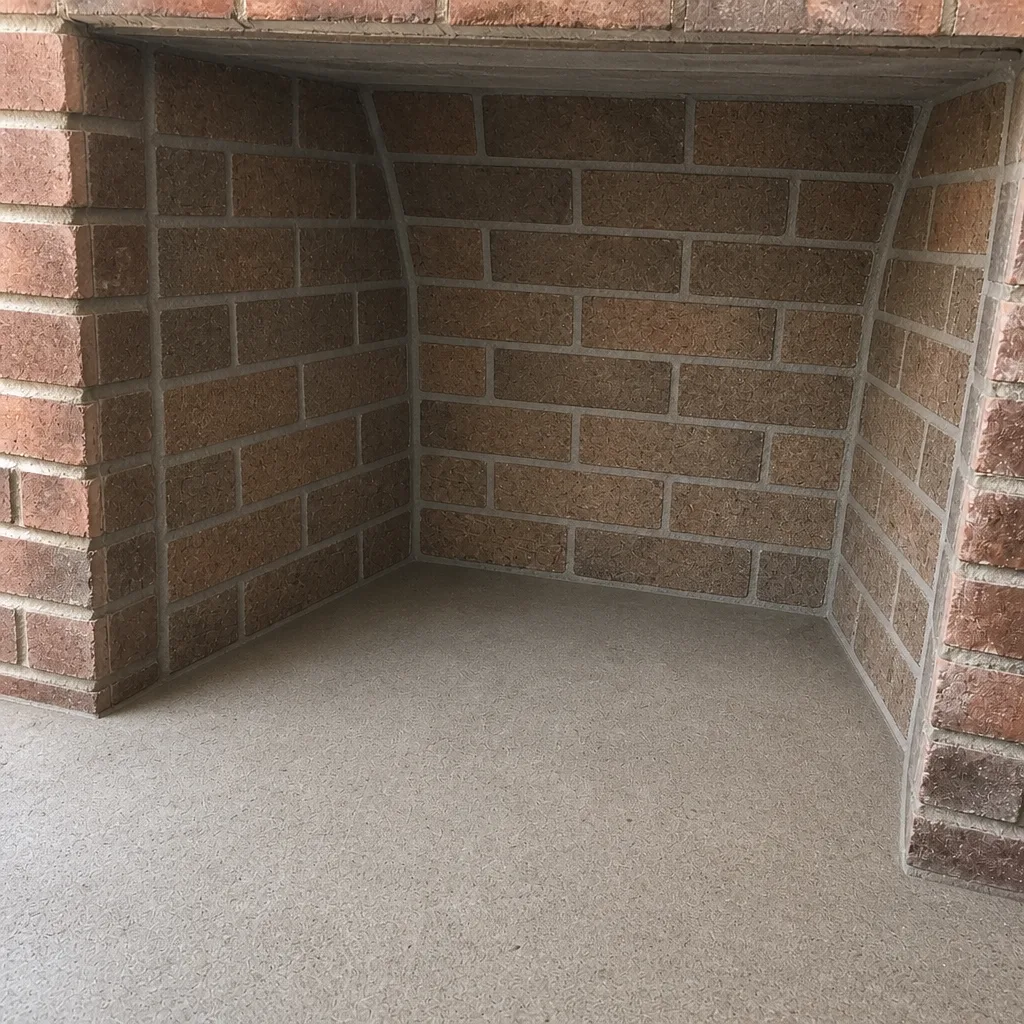
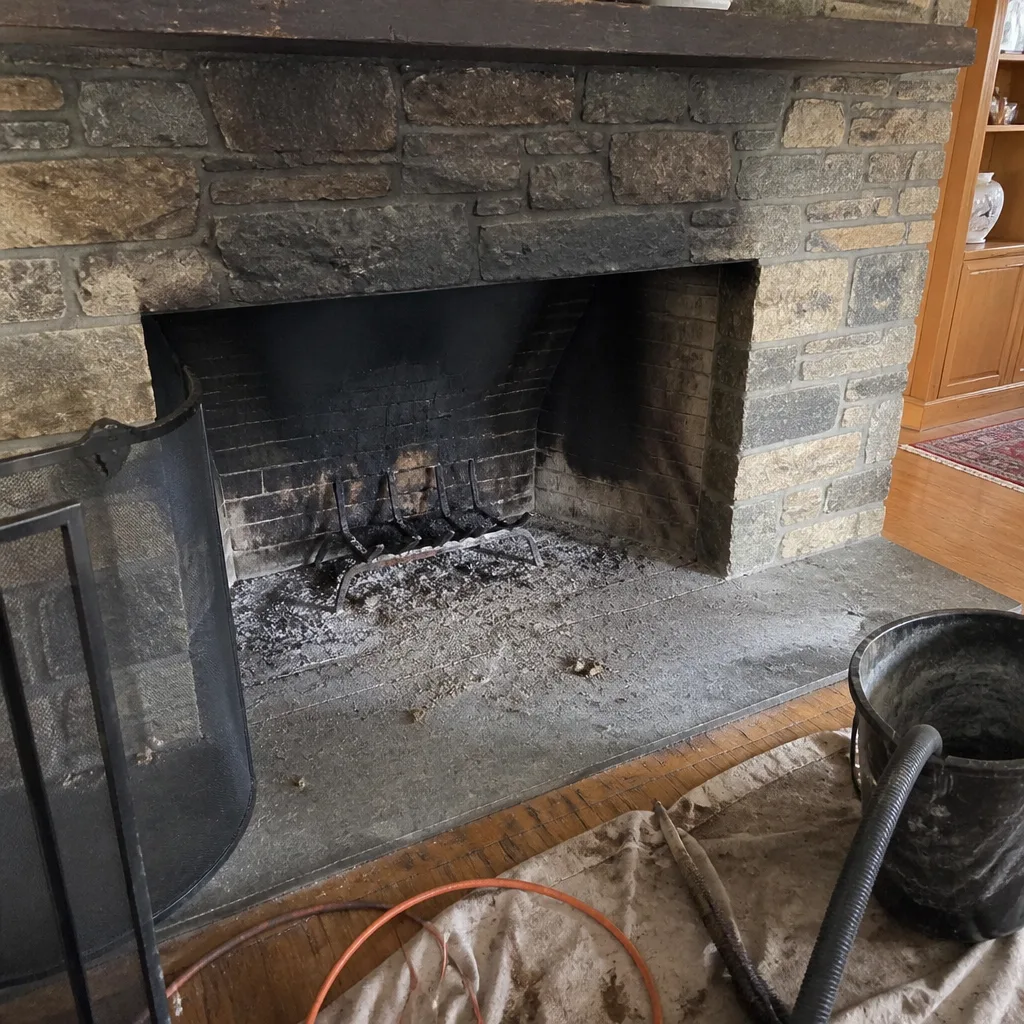
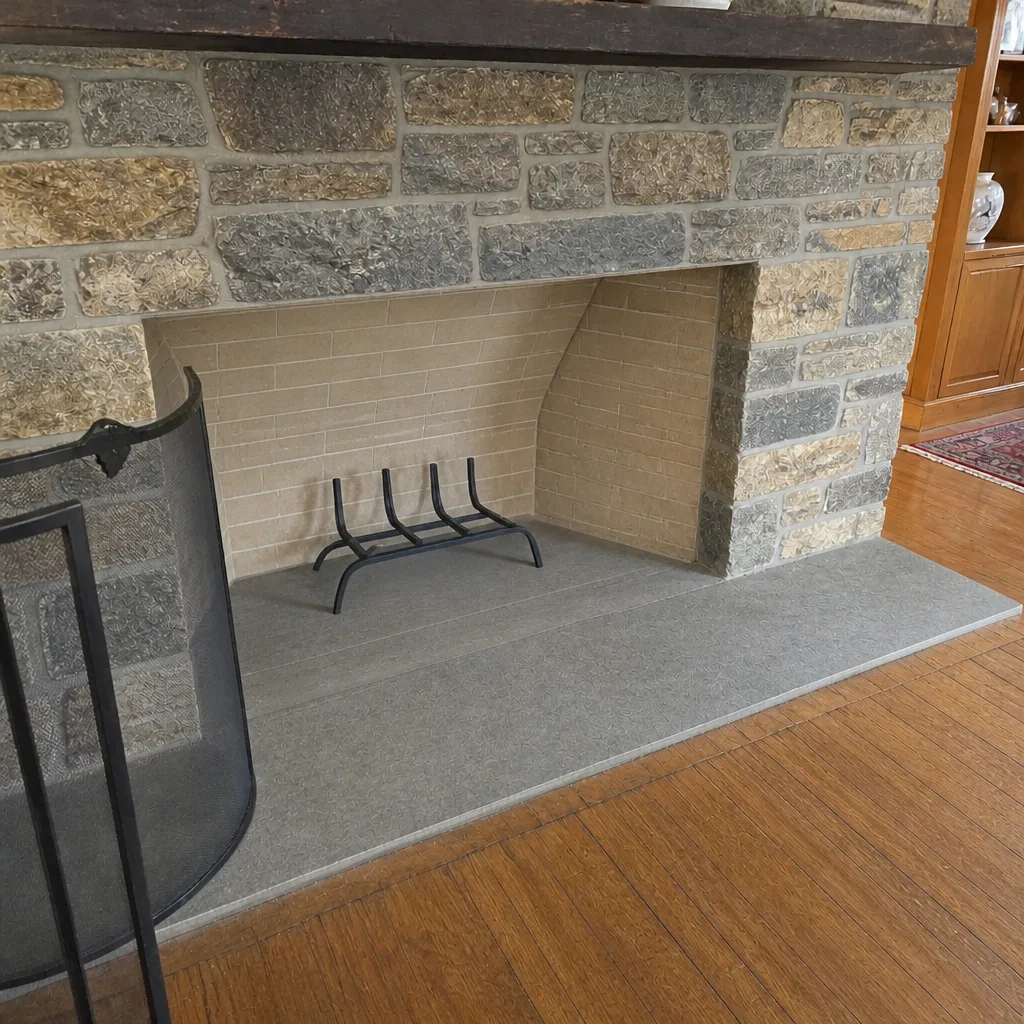
See the difference
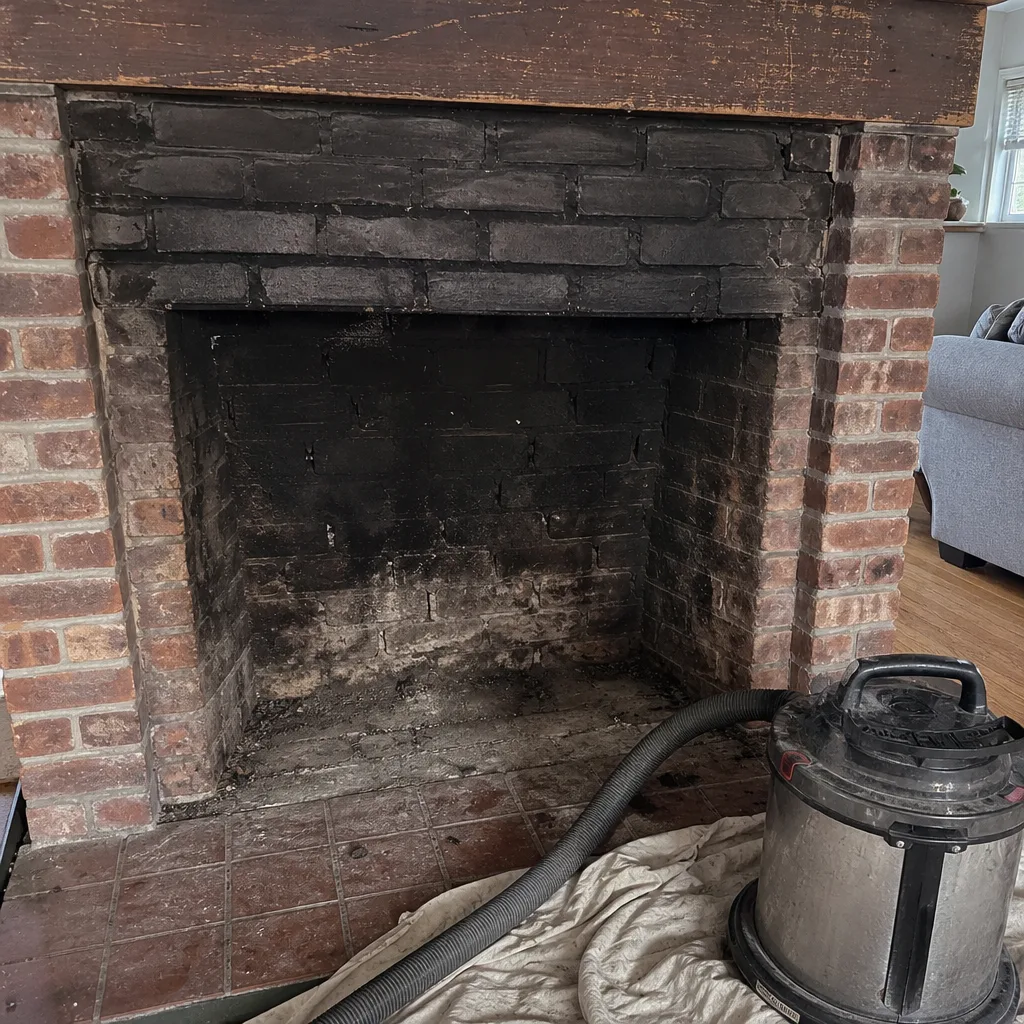 Before
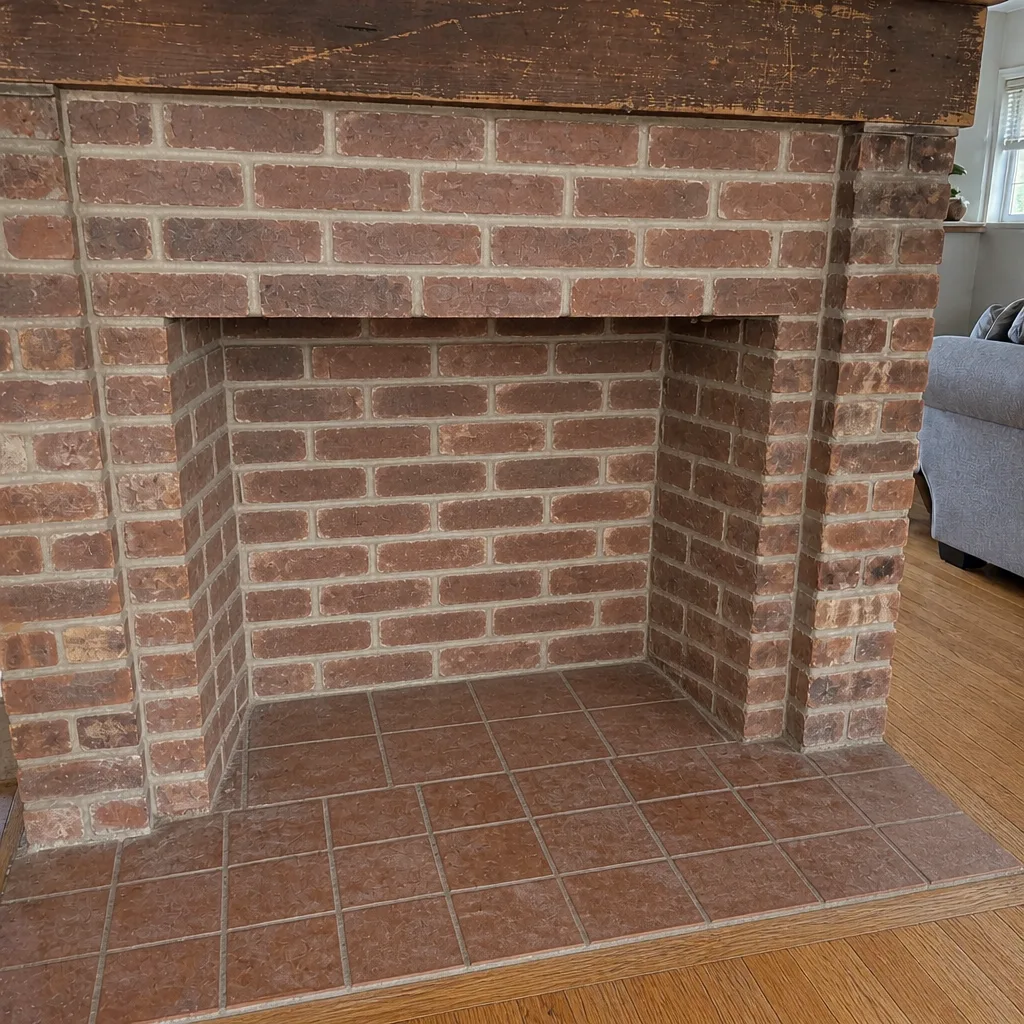 After
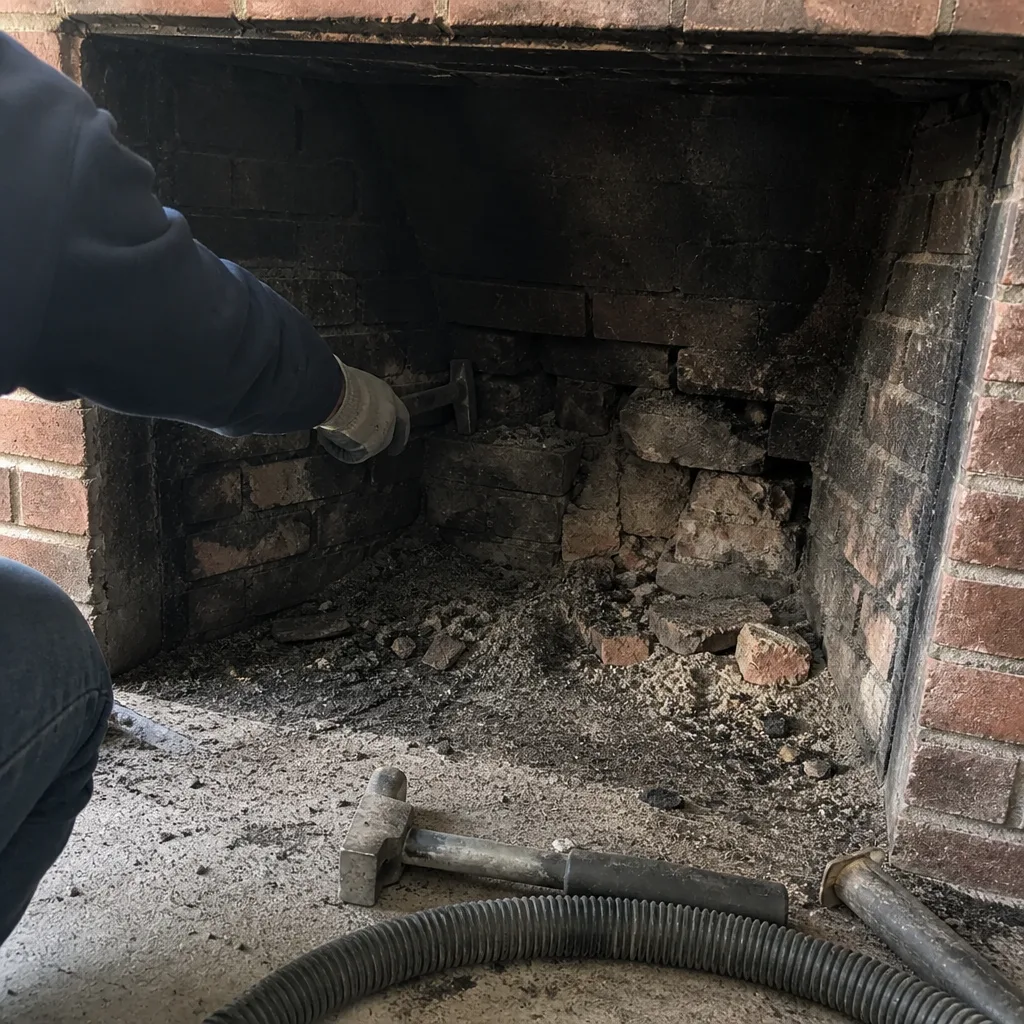 Before
 After
 Before
 After
When to Call a Professional
Some chimney work is straightforward, and some of it is genuinely dangerous. Anything involving high-tension components, sharp metal in the flue, or height work above the roofline belongs in the hands of a trained chimney professional, not a homeowner with a ladder and a brush. Call in a specialist if you’re seeing any of the following: a chimney cap that’s clearly failed, rusted through, or blown off; water stains, spalling brick, or cracked mortar around the crown; a smell of creosote in warm weather; a fireplace that drafts poorly or smokes into the room; a liner with visible cracks or breaks; a recently installed gas appliance you need to have verified; or a scheduled sweep that’s been put off through a season or two. Chimney Sweep Chelsea offers free estimates in Chelsea – call (866) 937-8809. We answer 24/7. Fast dispatch from 7am to 7pm, Sunday through Friday.
Frequently Asked Questions
The brands worth recognizing are the ones stocked by professional distributors, not hardware stores. For liner systems, that includes HeatShield, DuraFlex, Olympia Chimney, and the Flex-King and ProFlex lines. For chimney caps, Gelco, Olympia Chimney, Famco, and Copperfield are the names you’ll hear. For sealants and crown coatings, ChimneySaver and CrownCoat are common professional references. If a contractor can’t name any of these, ask more questions before you book.
Yes, more than most homeowners realize. A cap is a small purchase but a big determinant of how long the rest of the chimney survives. A stainless steel cap from a recognized fabricator can last well into a second decade. A hardware-store galvanized cap often rusts through in a handful of years. When the cap fails, water gets in – and that’s where the expensive damage starts. Call (866) 937-8809 for an exact quote on cap work – estimates are free.
HeatShield resurfacing rebuilds the inside of an existing clay flue rather than slipping a new liner through it. A flexible liner is a stainless steel tube that runs the full length of the flue and vents the appliance directly. HeatShield is often right when the flue is structurally sound but the surface is failing. A flexible liner is typically right when the flue shape, appliance spec, or existing liner condition calls for a full reline. The right answer depends on what a camera inspection shows, and we always recommend based on what we can show you.
Ask for four things at job completion: the manufacturer labels, the leftover material (a liner offcut, the top of a tube), the manufacturer’s spec sheets and warranty registration forms, and photographs of the completed install. Compare the brands on the invoice to the brands on the original quote. Professional-grade materials come with all of this documentation, and a specialist who stocks them will hand it over without being asked twice.
Because 316 and 304 stainless are not interchangeable. The 316 alloy contains molybdenum, which makes it more corrosion-resistant, and it’s the right choice for wood-burning appliances, oil appliances, and gas appliances that produce condensate. The 304 alloy can be correct in narrower circumstances. A quote for a “stainless liner” without an alloy specified isn’t a complete quote. Any contractor installing professional-grade liners should be able to tell you both the alloy and the gauge for your specific appliance.
Ask about the brands they install (liner, cap, sealant), the alloy and gauge for any liner in your quote, whether they record their inspection footage, whether they leave documentation at job completion, and whether the estimate is written and per job. Any chimney specialist should be comfortable answering all of these. Call (866) 937-8809 for an exact quote – estimates are free. We answer 24/7. Fast dispatch from 7am to 7pm, Sunday through Friday.
The Bottom Line
The chimney trade runs on a relatively short list of professional-grade manufacturers, and the gap between what a professional distributor stocks and what a hardware store carries is wide. For Chelsea homeowners, that gap translates into predictable differences: liners that hold up in cold winters, caps that don’t rust through, sealants that stay flexible under freeze-thaw cycles, and inspection footage you can watch for yourself. Ask your contractor to name the products, show the records, and document what went into the flue. Materials matter as much as labor, and the written estimate is where that should be spelled out. Call (866) 937-8809 for a free estimate on any chimney work.
Written by the team at Chimney Sweep Chelsea.