
Last updated November 25, 2026
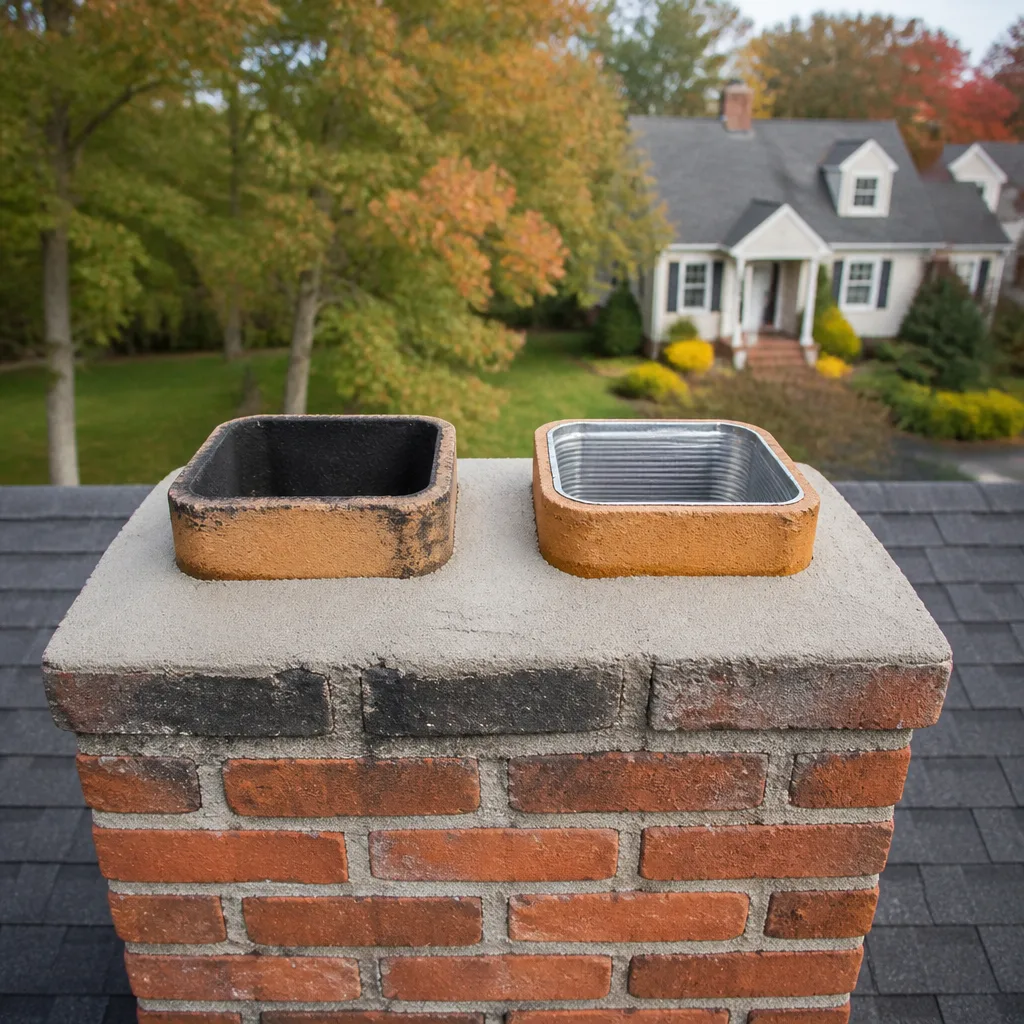 Sweep & inspection
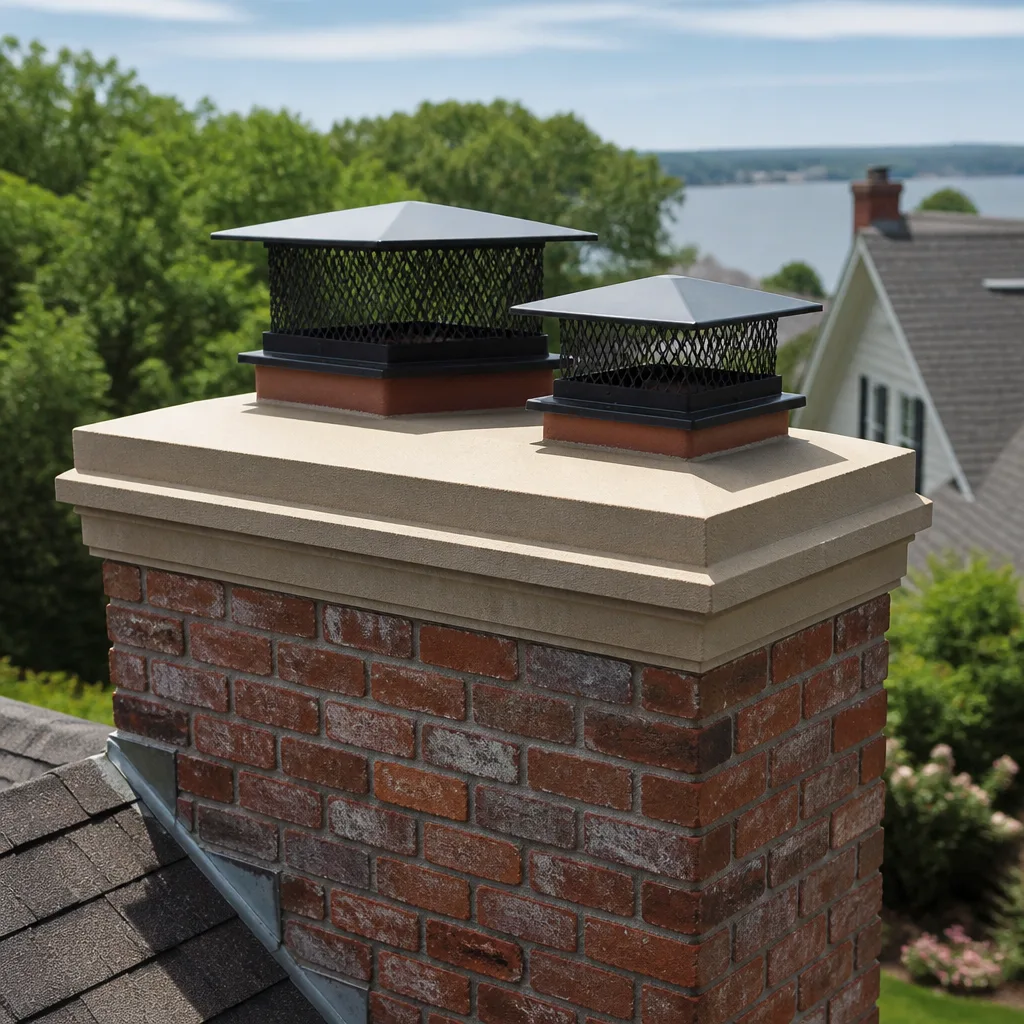 Caps & crowns
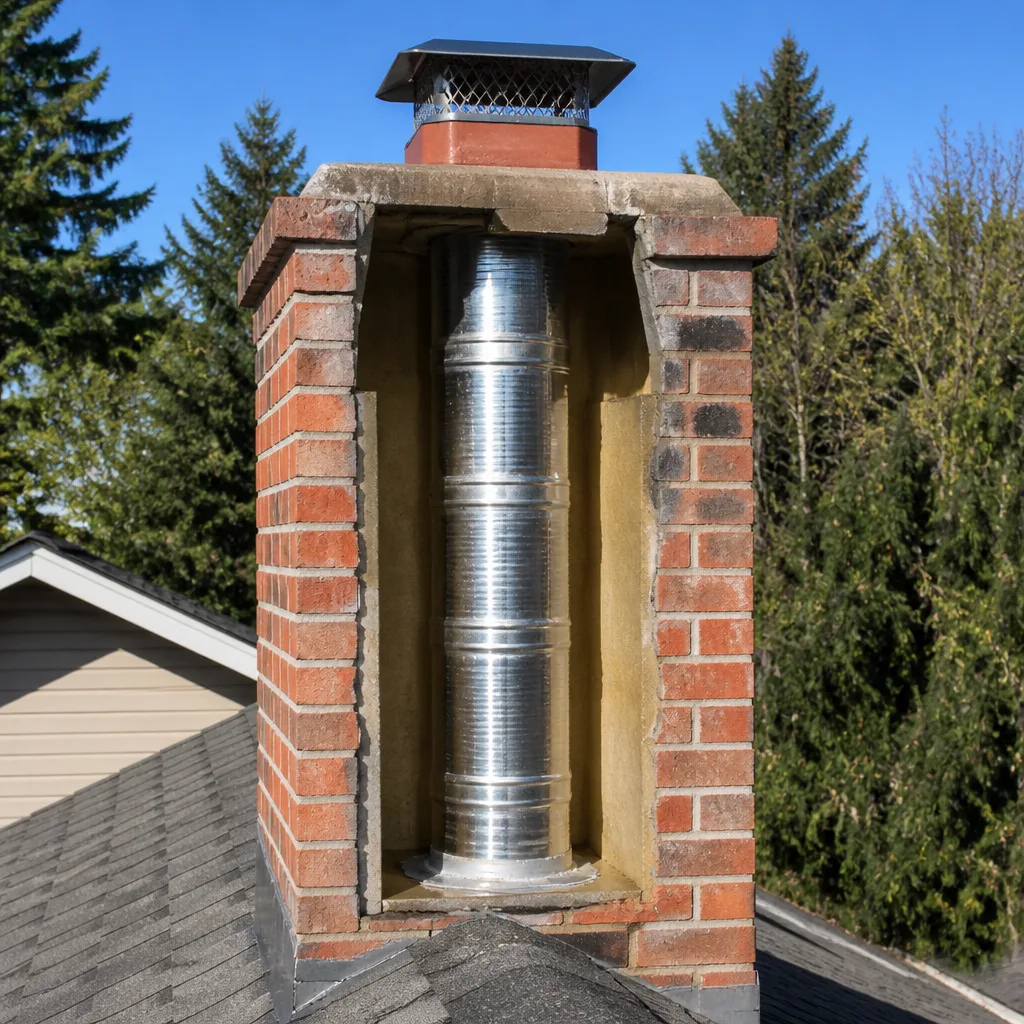 Flue relining
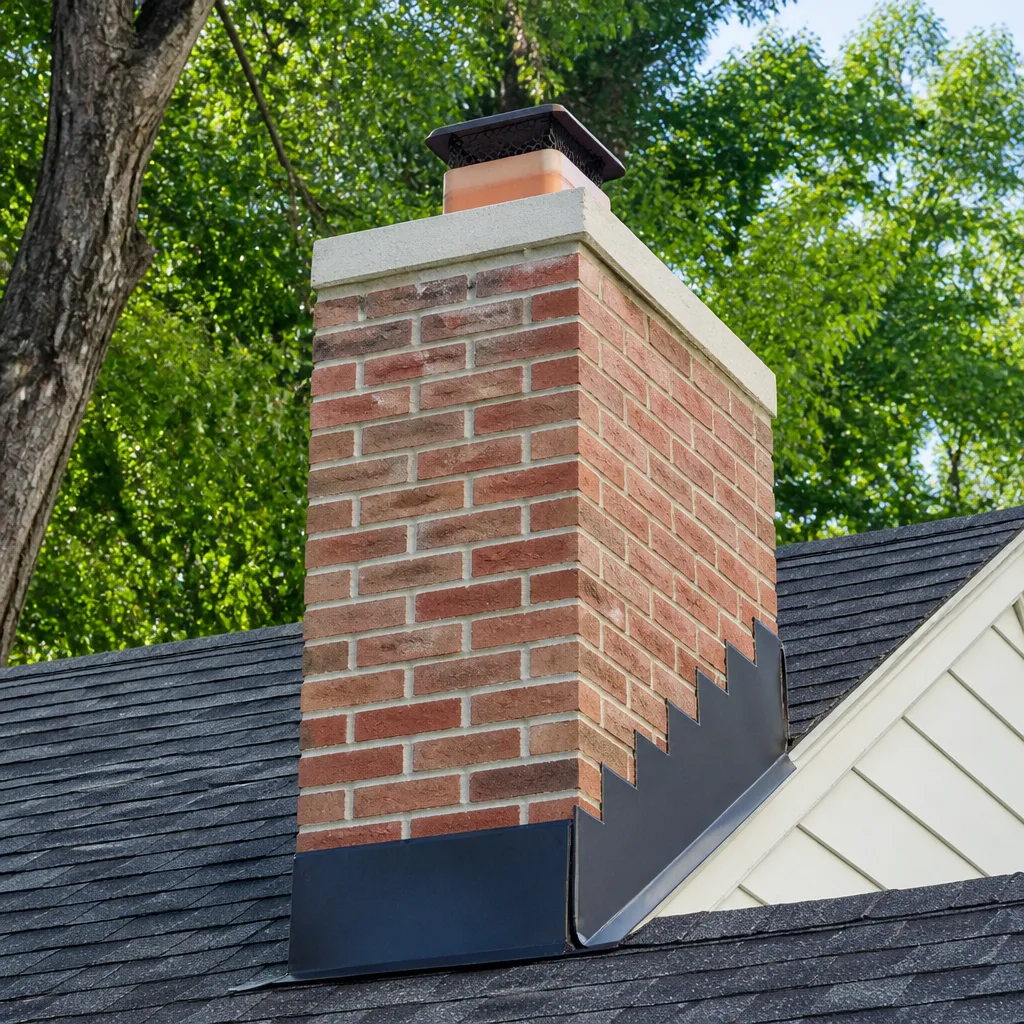 Masonry repair
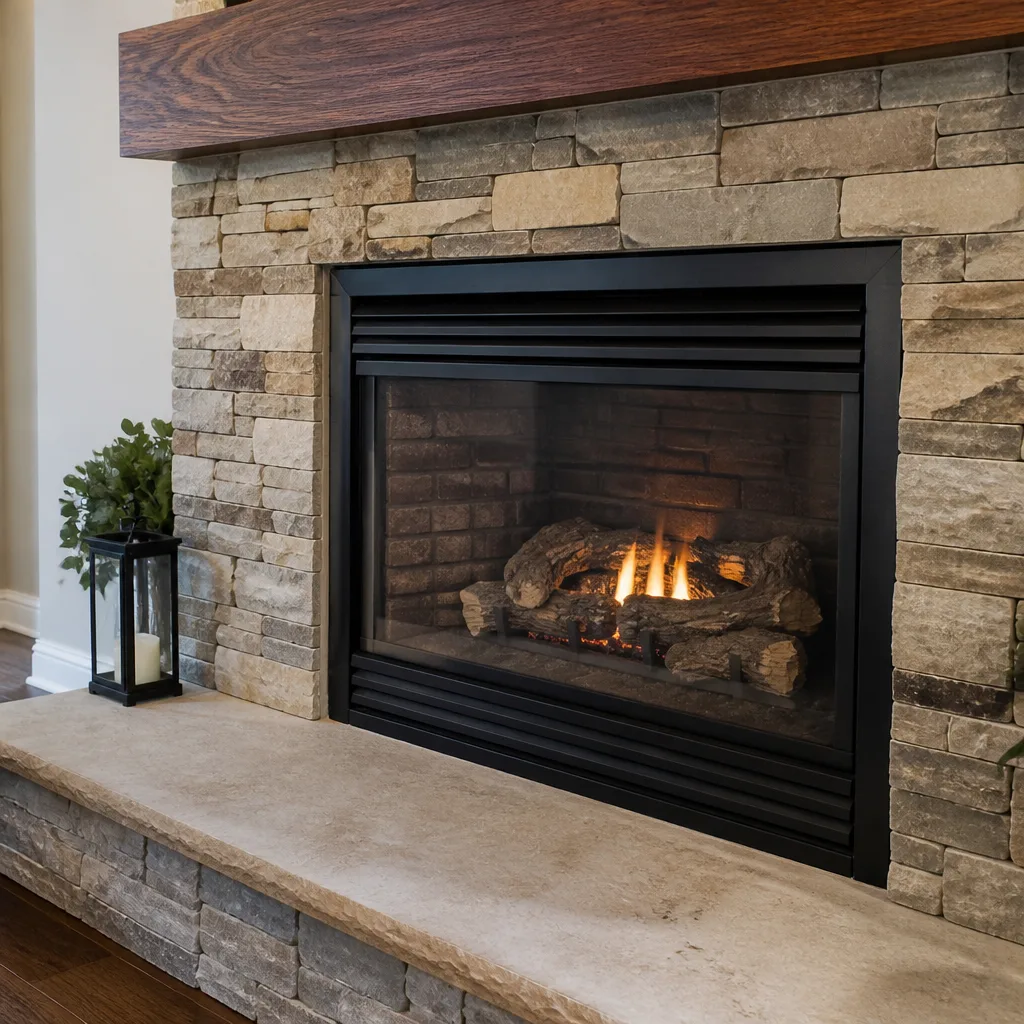 Gas fireplace service
Level 1 sweep and inspection to the NFPA 211 annual standard - flue, crown, cap, and flashing checked and photographed
Chimney sweep logs do not sweep chimneys. They loosen some creosote - which then falls where a brush and vacuum still have to collect it.
How to Hire a Chimney Cleaning Contractor in Chelsea: A Step-by-Step Guide
There is no licensing requirement in New York State specifically for chimney sweeping, which means the only thing protecting you from an unqualified contractor is knowing exactly what credentials to ask for. And most homeowners don’t. Chelsea is full of generalists who list “chimney sweep” as one of thirty services on their card, and the low prices they quote reflect exactly that level of specialization: a brush kit, a shop vacuum, and no camera. This guide gives you the specific questions, credentials, and contract line items that separate a dedicated chimney company from someone who decided to add sweeping to the menu. We’ll walk through certifications that matter, how to verify insurance for co-op and condo interior work, and what to insist on in writing before anyone climbs onto your roof.
Quick Answer
To hire a chimney cleaning contractor in Chelsea, ask three things before you book: whether the technician holds CSIA or NFI certification, whether the visit includes a camera inspection with a photo report, and whether the contractor carries liability insurance that specifically covers interior work in multi-unit buildings. A legitimate chimney company will answer all three without hesitation and put the scope of work, brand-named materials, and a damage-discovery clause in the written contract. If a quote is notably cheaper than the rest and includes no inspection, you’re buying a brush-down, not a chimney service.
Styles & brands we work with
- Sweep & inspection
- Caps & crowns
- Flue relining
- Masonry repair
- Gas fireplace service
Table of Contents
- Why Hiring a Chimney Sweep in Chelsea Is Harder Than It Looks
- CSIA vs. NFI vs. General Contractor Licensing: What Actually Matters
- The Interview Questions That Reveal a Real Chimney Specialist
- Why the Cheapest Quote in Chelsea Usually Means No Camera
- Verifying Insurance for Co-op and Condo Interior Work
- The Contract Line Items You Need in Writing
- A Step-by-Step Hiring Process
- Common Mistakes to Avoid
- When to Call a Professional
- Frequently Asked Questions
Why Hiring a Chimney Sweep in Chelsea Is Harder Than It Looks
Chelsea’s building stock is the reason. The neighborhood’s brownstones, walk-ups, and converted row houses date mostly from the mid-to-late 1800s, and many of them have chimney systems that were built for coal or wood stoves and later adapted for gas inserts, oil furnaces, or boiler venting. That adaptation history matters because the chimney you see is rarely the only one. A typical Chelsea building has a shared stack with multiple flues, and units in the same building can vent into flues that sit side by side with no separation beyond a thin wythe of brick. Contractors who don’t understand this will sweep one flue and call it a day while leaving a neighbor’s flue unaddressed, or worse, cross-contaminate debris between units.
The second issue is the generalist problem. Search “chimney sweep Chelsea” and you’ll find plenty of handymen, HVAC outfits, and “home services” companies that added chimney work to their service list without any specialized training. Their quotes look attractive because they involve less work. But a sweep-only visit with no camera inspection (which is what a generalist typically offers) tells you almost nothing about the condition of the flue, the liner, or the crown. In older Chelsea buildings, that’s the information that actually matters.
Third, co-op and condo boards often require contractors to provide proof of specific liability coverage before they’re allowed to work inside a unit. Generalist contractors may carry general liability insurance but not the certificate structure a co-op board wants to see. You don’t want to discover that on the morning of the appointment.
CSIA vs. NFI vs. General Contractor Licensing: What Actually Matters
There is no New York State licensing requirement for chimney sweeps. That surprises people, so it bears repeating: the state does not issue a “chimney sweep license.” General contractor licensing in New York City is real and covers certain construction and renovation work, but it doesn’t specifically cover chimney sweeping, and a licensed GC is not automatically a trained chimney specialist.
The credentials that actually matter for chimney work come from two industry bodies:
- CSIA (Chimney Safety Institute of America) certification. This is the national standard for chimney sweeps. Certified sweeps pass a written exam and commit to ongoing education. A CSIA-certified technician understands flue sizing, venting requirements, and the difference between cleaning a flue and diagnosing one.
- NFI (National Fireplace Institute) certification. This covers gas, wood, and pellet appliance installation and service. If your fireplace has a gas insert or a modern wood-burning appliance, an NFI-certified technician knows how that appliance is supposed to vent, which determines whether your flue is appropriate for it.
Both certifications matter for different reasons. CSIA certification tells you the technician understands chimney and venting systems as a whole. NFI certification tells you they understand your specific appliance. For a gas fireplace in a Chelsea walk-up, you want at least one of these. For a wood-burning stove, ideally both.
Ask how long the certification has been active. Technician experience matters here: our technicians have up to 11 years of experience working on chimneys, and that’s the kind of tenure you should be confirming when you hire. A brand-new certification with no field hours is different from a certification backed by a decade of sweeps on brownstone stacks.
The Interview Questions That Reveal a Real Chimney Specialist
You can tell more about a chimney contractor in five questions than in a five-page website. The answers should come easily. Fumbling is a signal.
- “How do you handle gang flues?” A gang flue is a shared stack where multiple flues run side by side, common in Chelsea’s older row buildings. A specialist will talk about flue separation, camera inspection of individual flues, and how debris from one unit can affect another. A generalist will look confused.
- “What’s your process for a gas insert or gas fireplace venting?” Gas inserts need proper venting to prevent carbon monoxide buildup. Listen for words like “venting,” “flue sizing,” and “draft test.” If they only talk about sweeping, they’re a sweep-only operation.
- “Do you bring a camera?” The answer should be yes, followed by a description of the report they’ll give you. If they say “we do a visual inspection,” ask what that means. A flashlight from the firebox is not a camera inspection.
- “What brands of liner and cap materials do you install?” Industry-trained contractors will name specific brands: DuraFlex flexible liners, HeatShield resurfacing, Gelco caps, Olympia Chimney, Famco, Copperfield. Generic answers like “high quality materials” aren’t the same thing.
- “What happens if you find damage mid-job?” The right answer is that they stop, show you the photo evidence, explain the options, and don’t proceed until you approve. Any answer that skips the “show you” part is a warning sign.
Write the answers down. If two contractors give you wildly different answers to the same question, you’ve found the one who doesn’t know the field.
Why the Cheapest Quote in Chelsea Usually Means No Camera
The cheapest chimney cleaning quotes in Chelsea are almost always sweep-only visits. That doesn’t mean the sweep is bad; it means it’s incomplete. A sweep-only visit removes soot and creosote from the flue, but it doesn’t tell you anything about the liner’s integrity, the crown’s condition, the mortar joints, or the presence of hidden cracks in the flue tile. In a modern house with a well-maintained liner, that might be fine. In a Chelsea brownstone with a liner that may or may not have been installed according to current standards, it’s a gamble.
Here’s the practical difference. A sweep-only visit might cost noticeably less because it involves less time, less equipment, and less liability on the contractor. A full chimney service visit includes the sweep, the inspection, the photo report, and the conversation about what was found. The price difference reflects the work, not a markup. You’re paying for the diagnosis, not just the brush.
For older Chelsea buildings, the diagnosis is where the value is. A burned-down chimney doesn’t happen because someone skipped a sweep; it happens because a cracked liner or deteriorated mortar joint went unnoticed for years. Camera inspection is how those get found before they become expensive.
If you want to know how we handle this, we’ve broken the standard visit down on our chimney sweep page. But the principle works for any contractor: ask whether the visit includes a camera, and ask to see the photos before any work is recommended.
Verifying Insurance for Co-op and Condo Interior Work
Co-op and condo boards in Chelsea have specific liability expectations that differ from those of a standalone homeowner. You don’t want to be the person who hired a contractor who scratched a neighbor’s antique piano or, worse, caused smoke or soot damage in an adjacent unit with no coverage to resolve it.
Before you hire, ask for three insurance documents:
- General liability coverage. This is the base level. It should cover property damage and bodily injury from the contractor’s work.
- Workers’ compensation coverage. If the contractor has employees, they need workers’ comp. In New York, this is required for most employers with employees. If they can’t provide it, they may be an unlicensed solo operator, and their medical costs could become your financial responsibility if someone gets hurt on your property.
- Interior work coverage. This is the specific one to ask about. Some policies exclude interior work above a certain dollar amount or exclude damage to adjacent units in a shared building. Your building’s managing agent may require the contractor to add the building’s ownership entity as an additional insured on the certificate before work begins. Ask the contractor if they can do that. If they can’t, find someone who can.
Get the certificate sent to you and to your building’s managing agent before the appointment. Ask for the policy period and confirm the coverage is active. A contractor who hands this over without friction is a contractor who has done this before.
The Contract Line Items You Need in Writing
A chimney contract should be one page of clear, specific terms. Here’s what to insist on before any technician arrives:
- Scope of work. What exactly is being done? “Chimney sweep” is not a scope. “Sweep and inspect front and rear flues in the main stack, including camera inspection and photo report” is a scope.
- Materials by brand. If a repair is recommended during the visit, the contract should name the material: a DuraFlex flexible liner, a HeatShield-resurfaced liner, a Gelco cap, or whatever else is appropriate. “Standard liner” is not a brand and shouldn’t be accepted.
- Damage-discovery clause. What happens if the contractor finds a problem that wasn’t in the original scope? The contract should state that work stops, you’re shown the evidence, and nothing additional is performed without written approval. This is the most important line item in the contract.
- Cleanup guarantee. Who cleans up the drop cloths and soot? A specialist will bring drop cloths and a HEPA vacuum. Confirm it’s in the scope.
- Photo report delivery. When will you receive the photos and the written findings? Same day, by email, is standard.
If a contractor won’t put these items in writing, find another contractor. Verbal assurances aren’t a contract.
A Step-by-Step Hiring Process
Here’s the sequence we’d suggest for Chelsea homeowners. It takes about a week from first call to completed visit, which is more than enough time to get the paperwork sorted.
- Confirm what you have. Wood-burning fireplace, gas insert, or gas fireplace? Each takes a different specialist. Note the number of fireplaces and any history of drafts, odors, or staining on the ceiling near the chimney.
- Get two or three quotes. Ask each contractor the five interview questions above. Compare not just the price but the answers.
- Verify certifications. Ask for the technician’s CSIA or NFI certification. A legitimate contractor will name it without hesitation.
- Request insurance documentation. General liability, workers’ comp, and interior work coverage. For co-op and condo owners, also ask if the contractor can add the building’s managing entity as an additional insured.
- Get the contract in writing. Scope, brand-named materials, damage-discovery clause, cleanup terms. Read it before you sign.
- Confirm the inspection is included. Ask to see the photo report after the visit, before any repair is discussed.
- Decide on repairs on your own timeline. Nothing should be recommended without camera evidence you can see for yourself. If the report suggests work can safely wait, it can wait.
If you have structural issues that need attention beyond cleaning, our chimney repair page explains what those repairs typically involve. For everything from the firebox to the crown, the point is to have one contractor who can handle all of it.
Common Mistakes to Avoid
- Hiring a generalist who “also does chimneys.” A handyman with a brush kit can sweep a flue. He can’t diagnose a liner problem, size a replacement, or tell you why your gas insert smells. In a Chelsea building with a century and a half of adaptations, diagnosis is the whole point.
- Accepting a quote without a written scope. “Sweep and inspection” on a text message is not a scope. If damage is found and the price goes up, you have no contract language to protect you. Insist on the writing before booking.
- Skipping the camera inspection to save money. A sweep without a camera tells you the flue is cleaner. It doesn’t tell you whether the flue is intact. In an older Chelsea building, that’s the wrong question to skip.
- Not asking about gang flues or shared stacks. If your building has a shared chimney, the contractor needs to understand how flues interact. A sweep of one flue without considering the neighbors is incomplete.
- Assuming a GC license covers chimney work. It doesn’t. A general contractor’s license in New York City is not a chimney credential. Ask for CSIA or NFI specifically.
- Forgetting the co-op or condo insurance certificate. Show up without the certificate and the contractor may not be allowed into the building, which wastes the visit and possibly the deposit. Get the certificate to the managing agent before the appointment.
- Paying in full before seeing the report. Pay per the terms in the contract. Don’t pay for a repair before you’ve seen the photos that justify it.
Our guide to chimney cap & crown work covers one of the most common repair items found during inspection. Rusted or missing caps let water in; damaged crowns erode the mortar below. Both are cheap to fix and expensive to ignore.
When to Call a Professional
Call a chimney professional if you haven’t had the chimney inspected in the last year, if you’ve noticed soot staining on the wall above the fireplace, if there’s a persistent smoky smell in the room even when the fireplace is off, if the damper doesn’t open smoothly, or if you’re planning to use the fireplace for the first time in a new-to-you Chelsea apartment. Call before burning season rather than after; a sweep booked in the fall gets done before the first cold snap. Also call if your building is co-op or condo and you need an insurance certificate for the board, because that paperwork takes a few days to process. If your firebox or damper has visible damage, our Chimney Sweep Chelsea landing page will point you to the right specialist. And if you’re not sure whether your chimney needs service at all, call and describe what you’re seeing.
Chimney Sweep Chelsea offers free estimates in Chelsea. Call (866) 937-8809. We answer 24/7. Fast dispatch from 7am to 7pm, Sunday through Friday.
Frequently Asked Questions
Chimney sweep pricing in Chelsea depends on the number of flues, whether the visit includes camera inspection, and whether any repair work is needed. Most sweeps fall in a range that reflects a full-service visit rather than a brush-down. Ask for a written estimate before booking. Call (866) 937-8809 for an exact quote; estimates are free.
Not always, and you shouldn’t accept a liner recommendation without seeing the camera evidence yourself. Liners get replaced when the existing liner has cracks, gaps, or deterioration that makes it unsafe, and that’s a diagnosis a camera makes visible. If a contractor recommends a liner and can’t show you the photos, ask to see them before you agree to anything. If the current liner is intact, no replacement is needed. Call (866) 937-8809 to discuss your specific chimney.
Once a year for wood-burning fireplaces and every other year or as needed for gas appliances, though the recommendation depends on use. If you burn wood regularly, annual is the standard. For a gas fireplace used occasionally, less frequent inspection is reasonable. A camera inspection at each visit tells you what the flue actually needs. Call (866) 937-8809 to book a visit.
Creosote accumulates in wood-burning flues every season, and a thick enough layer can ignite, which is a chimney fire. Cracks in the flue or liner also allow exhaust gases, including carbon monoxide, to escape into the home. A gas insert with a compromised vent can produce carbon monoxide in the living space. These are not rare scenarios; they’re the reason annual inspection exists. Call (866) 937-8809 to book a sweep and inspection before the season starts.
No. New York State does not require a specific license for chimney sweeping. The credentials that matter are industry certifications: CSIA for chimney sweeping and venting, NFI for gas and wood appliance installation and service. Ask for both when you hire. Our technician team has up to 11 years of experience working on chimneys in and around Chelsea.
A sweep removes soot and creosote. An inspection assesses the condition of the flue, liner, crown, and all related components. The right service visit includes both: a sweep followed by a camera inspection and a photo report of what was found. A sweep-only visit is incomplete for older buildings. Call (866) 937-8809 to book a full-service visit.
Yes, and we can provide the insurance documentation your building’s managing agent needs before the appointment. Ask them what certificate structure they require (general liability, additional insured, workers’ comp) and we can send the documents to both you and the managing agent. Call (866) 937-8809 and we’ll walk through it.
The Bottom Line
Hiring a chimney contractor in Chelsea comes down to three checks: certification, camera inspection, and written scope. Certification separates specialists from generalists. Camera inspection separates diagnosis from a brush-down. Written scope separates professional work from a handshake and a hope. If a quote is notably cheaper than the others and doesn’t include an inspection, you’re not saving money; you’re skipping the part that matters. Get two or three quotes, ask the five questions, and insist on seeing the report before you approve any repair. If you want a full-service visit from someone who works with chimney repair materials like DuraFlex and HeatShield and can handle the sweep, the inspection, and the cap work in one visit, call us.
Call (866) 937-8809. We answer 24/7. Fast dispatch from 7am to 7pm, Sunday through Friday. Estimates are free. We’ll tell you exactly what we find and show you the evidence before recommending any work.
Written by the team at Chimney Sweep Chelsea.
See the difference
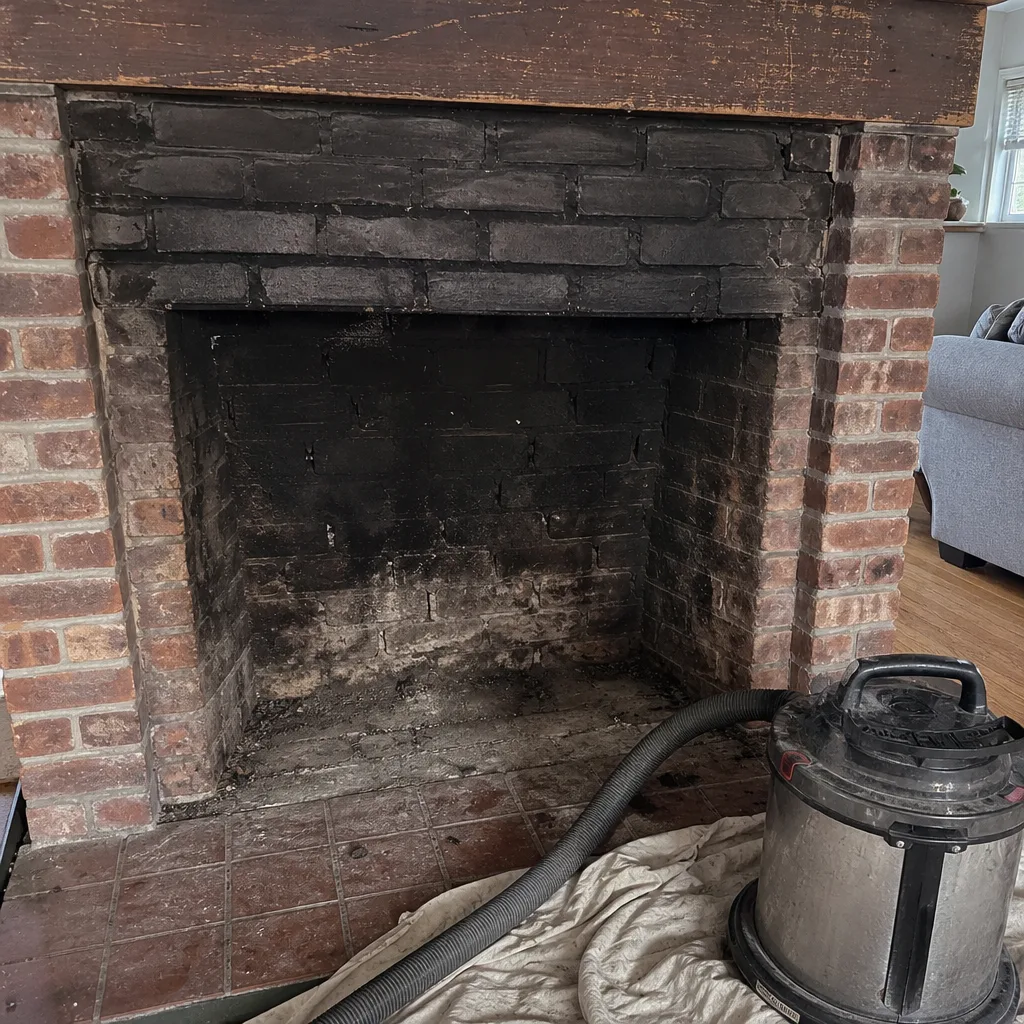 Before
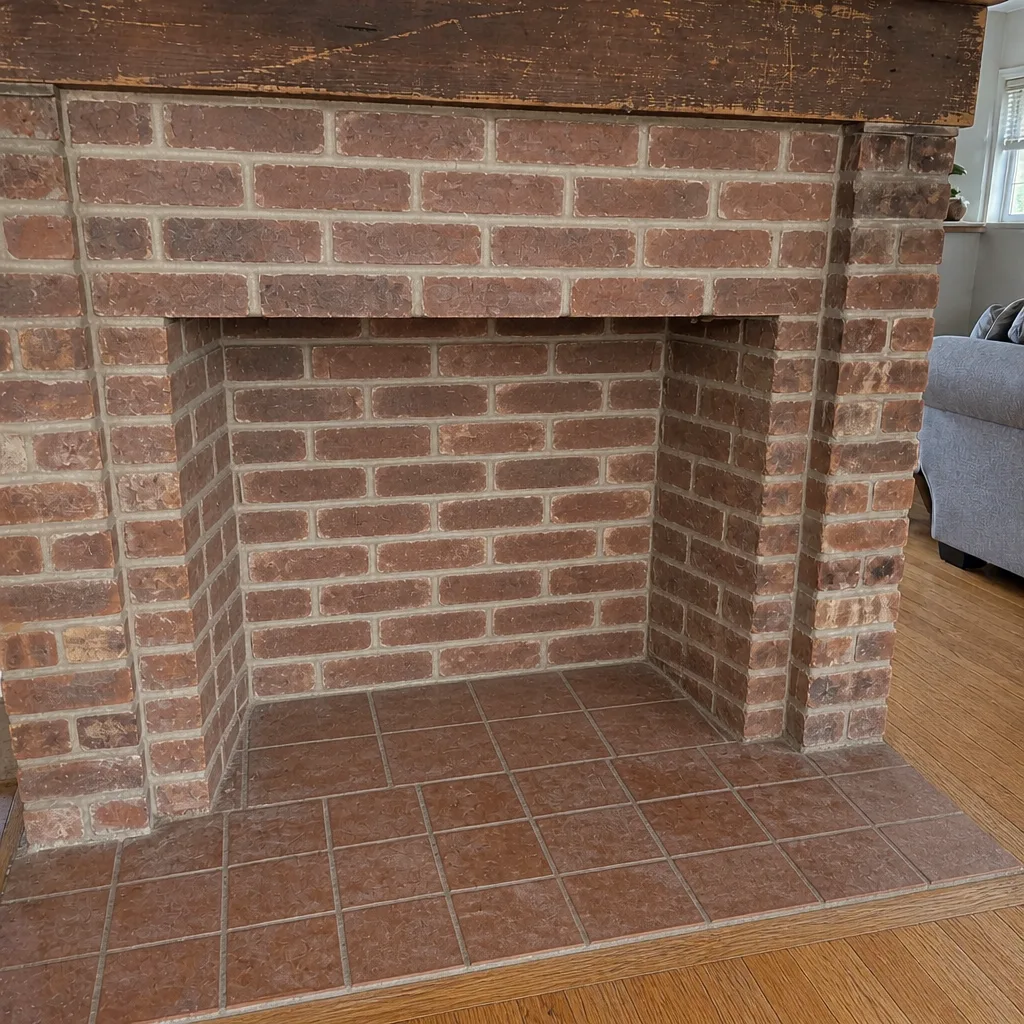 After
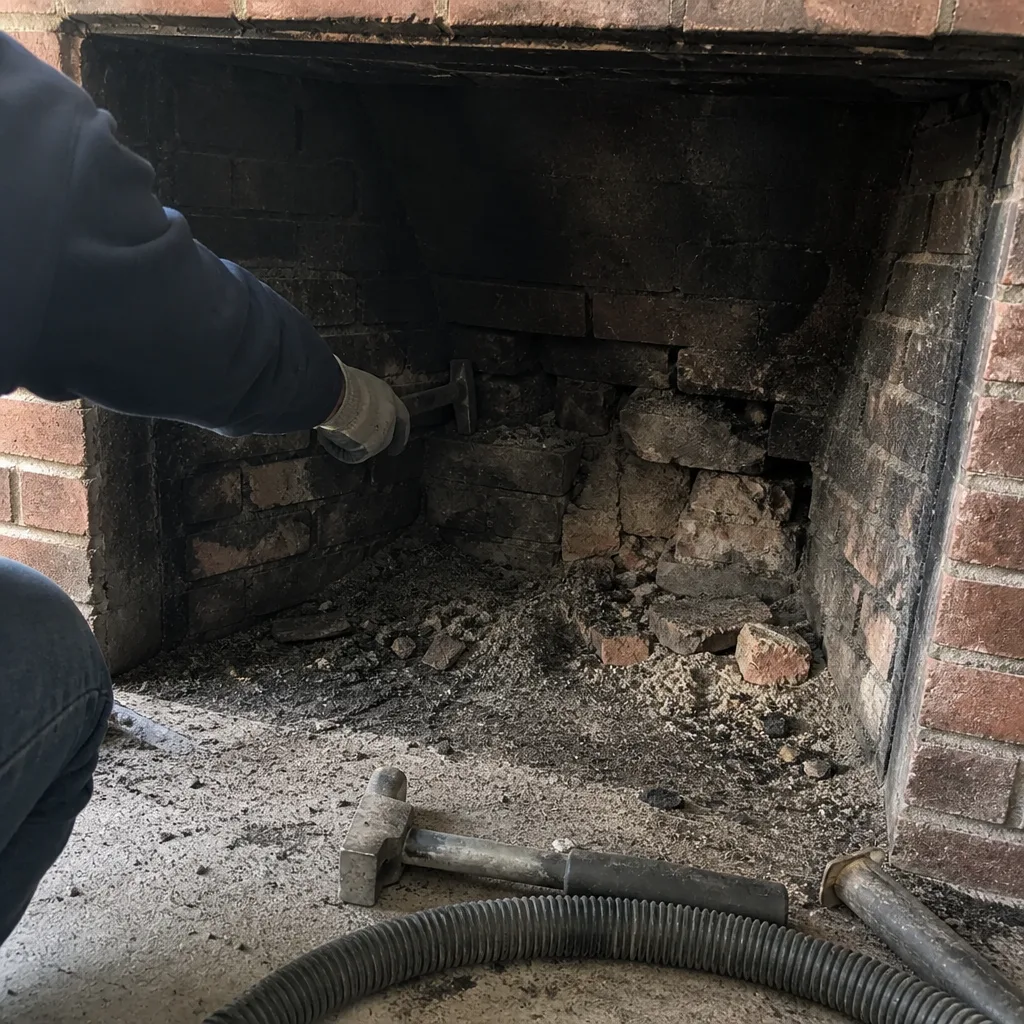 Before
 After
 Before
 After