
Last updated November 25, 2026
 Sweep & inspection
 Caps & crowns
 Flue relining
 Masonry repair
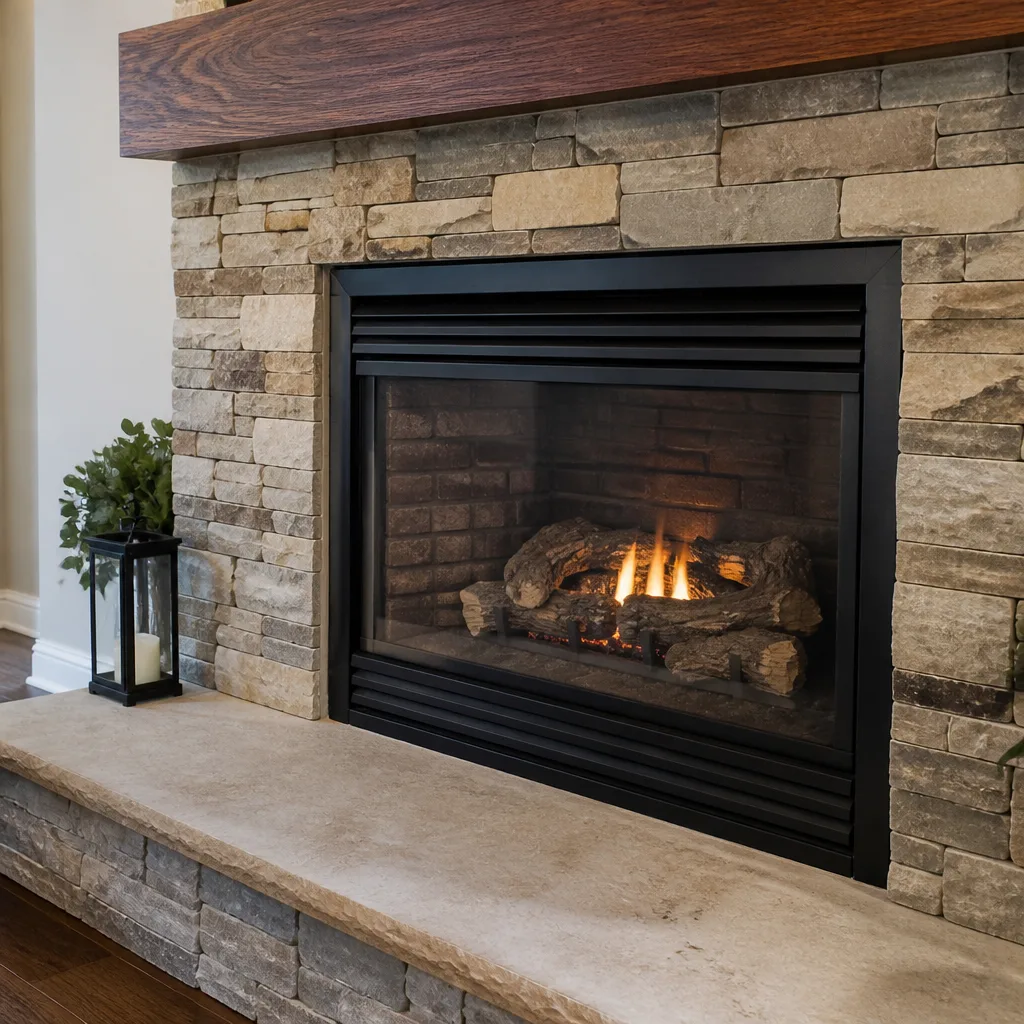 Gas fireplace service
Level 1 sweep and inspection to the NFPA 211 annual standard - flue, crown, cap, and flashing checked and photographed
Chimney sweep logs do not sweep chimneys. They loosen some creosote - which then falls where a brush and vacuum still have to collect it.
Chimney Cleaning Warning Signs: A Chelsea Homeowner’s Reference Guide
A white stain running down the outside of a Chelsea brownstone’s chimney breast isn’t a cosmetic issue. It’s efflorescence, and it means water is moving through your masonry right now – the staining is the least of your problems. Most chimney trouble announces itself long before it becomes dangerous, but only if you know what you’re looking at. A smoky smell in August and a smoky smell in January point to completely different failures. This guide is a symptom-to-cause decoder for Chelsea homeowners: what each sign means, which ones mean stop using the fireplace today, and which ones mean book a visit in the next few weeks.
Quick Answer
The main chimney cleaning warning signs are a strong creosote or smoky odor, smoke rolling back into the room, white staining or crumbling brick on the exterior, a loose or missing cap, cracked crown mortar, and popping or animal noises inside the flue. Any of these means the chimney needs a sweep and inspection before the next fire. Signs like smoke rollback, a damaged cap, or a strong creosote smell with heavy use mean stop burning until a professional has looked at it.
Styles & brands we work with
- Sweep & inspection
- Caps & crowns
- Flue relining
- Masonry repair
- Gas fireplace service
Table of Contents
- Smell-Based Diagnostics: What Chimney Odors Tell You by Season
- Exterior Warning Signs You Can See From the Sidewalk
- Interior Fireplace Signals: Smoke, Dampers, and Discoloration
- Sounds That Mean Something
- Urgent vs. Schedule-Soon: How to Sort the Warning Signs
- Why Chelsea Chimneys Wear Differently
- A Seasonal Warning-Sign Checklist for Chelsea Homeowners
Smell-Based Diagnostics: What Chimney Odors Tell You by Season
Your nose is the cheapest diagnostic tool you own, but only if you read it correctly. The same smoky smell that’s harmless in July can signal a real draft problem in December, and a sulfur smell that would worry you in the kitchen means something entirely different coming from the fireplace. Here’s how we sort chimney odors when a homeowner describes them on the phone.
Creosote smell (acrid, tar-like, smoky). This is the classic sign of a flue that’s carrying more creosote than it should. In winter, with the fire going, a strong creosote smell usually means the flue isn’t drafting cleanly – combustion gases are backing up instead of rising. In summer, with no fire burning, the same smell is the chimney telling you the creosote deposits are thick enough to off-gas on warm, humid days. Both versions point to a chimney sweep being due.
Sulfur or rotten-egg smell. If you burn gas, this one deserves a call to your gas utility before anything else – it may not be a chimney issue at all. If you burn wood, a sulfur smell can trace to moisture trapped in the flue interacting with deposits, or to debris that has worked its way into the smoke chamber. Either way, it needs a look before the next fire.
Mildew or damp-basement smell. This is a water problem, not a fire problem, but it’s still a chimney warning sign. Mildew around the hearth or at the base of the chimney breast usually means water is entering at the crown or cap and running down the interior. Left alone, that water damages mortar and can rust a damper into a stuck position. A properly fitted cap from a maker like Gelco or Famco is often the fix.
The key insight: match the smell to the season and the fuel. A smoky odor in August when nothing’s been burning is not the same warning as a smoky odor in January three minutes after you light kindling. One points to accumulated deposits; the other points to a draft or venting failure. Both are worth a call, but the second is more urgent.
Exterior Warning Signs You Can See From the Sidewalk
You don’t need to get on the roof to spot most exterior chimney trouble. Stand on the sidewalk, look up, and run through this list. In our experience, the exterior signs are the ones Chelsea homeowners spot first – and they’re the ones most often dismissed as cosmetic.
- White staining (efflorescence). This chalky white bloom on brick or mortar is a sign that water is moving through the masonry and evaporating on the surface. It’s the chimney’s way of telling you the waterproofing has failed somewhere, often at the crown.
- Spalling brick. When brick faces peel, flake, or pop off, water has gotten inside and frozen repeatedly. Chelsea’s winter freeze-thaw cycles make brownstone and older brick chimneys especially vulnerable to this.
- Displaced or missing cap. A chimney cap that’s tilted, rusted through, or gone altogether lets rain, snow, and animals straight into the flue. This is one of the most common sources of long-term damage we see.
- Cracked or crumbling crown. The crown is the sloped concrete or mortar top of the chimney. Any crack wider than a hairline is a water path straight into the masonry.
- Loose mortar joints, especially at the top courses. Mortar near the top of the chimney weathers fastest. Soft or recessed joints up there are a warning that the rest may not be far behind.
- Rust stains on the chimney face. These often trace to a rusting cap or a rusted damper assembly, and they tell you metal components are past their service life.
- Visible lean or tilt. A chimney that leans even slightly needs a professional inspection, not a DIY diagnosis.
Any single item on this list is a reasonable reason to book an inspection. Two or more together – say, efflorescence plus a cracked crown – usually means water has been getting in for a while and the repair scope will be larger than a simple chimney cap & crown refresh.
Interior Fireplace Signals: Smoke, Dampers, and Discoloration
Inside the house, the fireplace tells its own story. Here’s what the most common interior warning signs mean.
Smoke rollback. Smoke spilling into the room instead of going up the flue is the single most important interior sign. Common causes include a flue that’s blocked by creosote or a bird nest, a closed or partially closed damper, negative pressure in the house (bathroom fans, kitchen exhaust, or a tightly sealed home), or a flue that’s undersized for the firebox opening. In our experience, the fix depends entirely on which of those it is, which is exactly why an inspection comes before any recommendation.
Damper failure indicators. A damper that won’t open fully, won’t stay open, or feels gritty when you move the handle is a warning. So is a damper that seems to close on its own. A partially closed damper is a smoke-in-the-room waiting to happen, and a stuck-open one wastes heat all winter.
Firebox discoloration patterns. Discoloration on the firebox walls isn’t always a problem – some is normal staining. But dark streaks that cluster in one area, or white-gray deposits near the damper, can flag a combustion or venting issue that’s concentrating in one path. These patterns are worth pointing out during an inspection because they tell a trained eye where the system is stressed.
Crumbling firebox mortar. Soft, sandy, or missing mortar joints inside the firebox mean the firebrick is deteriorating. This is a chimney repair matter and shouldn’t be ignored, because the firebox is the part of the system that takes direct heat.
If your fireplace is struggling with smoke rollback, the first thing to check is whether the damper is fully open. If it is, and the fire still won’t draft, stop using it until a professional has looked at the flue. Smoke in the room is a warning, not a quirk to live with.
Sounds That Mean Something
Chimneys don’t usually make noise you should ignore. Sudden sounds from the flue are worth decoding before you write them off as the house settling.
Popping, cracking, or rumbling during a fire
Some popping is normal when wood is burning – moisture escaping the wood makes small snaps and pops. But a deeper rumble, or a sound like a low roar coming from the flue, is a warning that creosote in the flue has ignited. If you hear that roar and the chimney pipe is hot to the touch, treat it as a chimney fire: get everyone out, call the fire department, and don’t use the fireplace again until a professional has inspected it.
Metallic ticking or clicking
Metal flue components expand and cool as they heat up and cool down, and some ticking is normal. But a persistent clicking you haven’t heard before, especially when the fire is out, can mean a metal liner or cap fitting is loose. Worth an inspection to rule out a mechanical issue.
Animal noises: scratching, chirping, flapping
A missing or damaged cap is the most common reason animals end up in a chimney. Squirrels, birds, and raccoons all find open flues convenient. If you’re hearing scratching or flapping from the chimney, don’t light a fire – the animal may be blocking the flue, which is a carbon monoxide risk. Call a professional to remove the animal safely, then get a proper cap fitted. Gelco and Famco caps do exactly this job.
Whistling or howling on windy days
Some draft noise is normal in an older chimney. But a whistle that’s new, or a howl that comes with smoke rolling back, is the flue telling you there’s a pressure or draft problem. An Olympia Chimney cap or a properly sized one often resolves noise issues at the top of the flue.
Urgent vs. Schedule-Soon: How to Sort the Warning Signs
Not every warning sign means the same thing. Some mean stop using the fireplace today; others mean book a visit in the next month or two. Sorting them properly is what keeps homeowners from either ignoring a real emergency or panicking over something that can wait. Here’s the split we use.
Urgent – stop using the fireplace now
- Smoke rolling back into the room with the damper fully open. The flue isn’t carrying exhaust, and that’s a carbon monoxide risk if the fire keeps burning.
- A low roar from the flue, or the chimney pipe hot to the touch. Possible chimney fire. Get everyone out, call the fire department, and don’t burn again until inspected.
- Strong creosote smell mixing with visible smoke inside the house. Carbon monoxide is colorless and odorless, so any sign that combustion gases are staying indoors is a hard stop.
- Scratching, flapping, or bird noises from the flue. The animal may be blocking the flue. Don’t light a fire.
- Visible fire or glowing material visible outside the firebox. Stop immediately and call for emergency help if needed.
- Crumbling firebox mortar with visible gaps. Heat can travel where the firebrick should hold it back – don’t burn until repaired.
Schedule-soon – book an inspection in the next few weeks
- A smoky or creosote smell when no fire has been lit in days. The flue has deposits to clear, but it’s not an emergency if you’re not burning.
- White efflorescence or spalling brick on the exterior. Water is entering, and the repair scope is worth confirming before the next hard freeze.
- Cracked crown or a loose cap. Fixable now; more expensive if left through a full winter.
- Milky or damp smell near the hearth. Water intrusion that needs sealing.
- Damper that won’t open fully or won’t stay open. Plan for a repair before the heating season.
- Whistling or howling on windy days without smoke rollback. Worth investigating at the top of the flue.
If you’re not sure which list a sign falls into, that’s the moment to call. Diagnosing over the phone is fine for sorting urgency; confirming it takes a proper inspection with camera evidence you can see for yourself.
Why Chelsea Chimneys Wear Differently
Chelsea has a lot of older housing stock – brownstones, pre-war rowhouses, and converted buildings where the original fireplaces have been in place for a long time. That history changes what chimney wear looks like here compared with newer construction. Mortar that’s over a hundred years old in some of these chimneys has often reached the point where it needs repointing or resurfacing, not just a sweep.
Chelsea’s winters bring freeze-thaw cycles, and those cycles are what turn a small crack in the crown into a spalled brick face over a few seasons. Water gets in above freezing, then freezes and expands, then thaws and the cycle repeats. Efflorescence and spalling on a Chelsea chimney are the visible evidence that this is already happening.
Older flues can also be irregular in shape or size, which is exactly where a flexible liner like DuraFlex outperforms a rigid system – it can follow the flue’s actual contours rather than forcing a shape that doesn’t fit. For liners that can be resurfaced rather than replaced, HeatShield is a system designed for that job, and it requires product-specific training to apply correctly. It matters here because replacing a liner on a hundred-year-old Chelsea chimney isn’t always the best first move – sometimes resurfacing extends the safe usable life of the existing flue.
We work with a curated roster of professional-grade brands – DuraFlex, HeatShield, Gelco, Olympia Chimney, Famco, and Copperfield – because the chimney’s safety depends on what goes into it, not just who cleans it. When we recommend a cap, a crown repair, or a liner, we’re working from materials used by professional chimney specialists, not hardware-store substitutes.
A Seasonal Warning-Sign Checklist for Chelsea Homeowners
Run through this checklist once in late summer, before the heating season, and again in early spring, before the freeze-thaw cycle takes another bite out of your exterior. It takes about ten minutes.
- Smell test. Stand near the hearth on a warm day. Any creosote, sulfur, or damp smell is worth noting. Match the smell to the season – see the diagnostics above.
- Sidewalk look-up. Walk outside and check the chimney top: white staining, spalling brick, loose mortar, missing or tilted cap, cracked crown.
- Damper check. Open and close the damper fully. It should move smoothly and hold its position. Note any grit or stiffness.
- Firebox inspection (visual only). Look for crumbling mortar joints, dark streaking, and any white-gray deposits near the damper.
- Listen. Any scratching, flapping, or unusual noise from the flue when there’s no fire? That’s a cap problem or an animal.
- Check for water. Damp smell near the hearth, rust on the damper, or staining on the chimney breast inside means water is getting in somewhere.
- Book the sweep. If the sweep is due, book it before the first cold snap, not after.
Common Mistakes to Avoid
- Treating efflorescence as cosmetic. White staining on a Chelsea brownstone chimney is water actively moving through your masonry. Painting over it traps the moisture inside and accelerates the spalling. Find and fix the water path first.
- Burning through smoke rollback. A fire that smokes into the room with the damper fully open is a combustion-gas problem and a carbon monoxide risk. Don’t wait for it to “settle.” Stop burning and get it inspected.
- Ignoring a missing cap for a season. A cap is a small piece of metal that prevents rain, snow, and animals from getting into the flue. A season without one is often a season of water entering the chimney system – and water is what destroys masonry. A Gelco or Famco cap is one of the least expensive repairs on the list.
- Confusing a smoky smell with a smoke problem. Smell is a signal, not a diagnosis. A smoky smell in August when nothing’s been burned is a different issue from a smoky smell in January during a fire. Match the smell to season and fuel before assuming.
- Assuming a newer gas fireplace needs no service. Gas fireplaces have a flue and venting that needs inspection just like wood-burning ones. The warning signs are quieter, but they’re there.
- Taking a “we’ll just reline it” quote without evidence. If a company tells you a liner is needed, ask to see the camera inspection and photo report. You should be able to see the same evidence they’re working from – and you should be told plainly when work can safely wait.
- Waiting until the first cold weekend to book. Early autumn is when chimneys get inspected, and late autumn is when the calendar fills. Chelsea homeowners in older buildings with real repair concerns should book the sweep and inspection in the summer or early fall, not the week of the first freeze.
See the difference
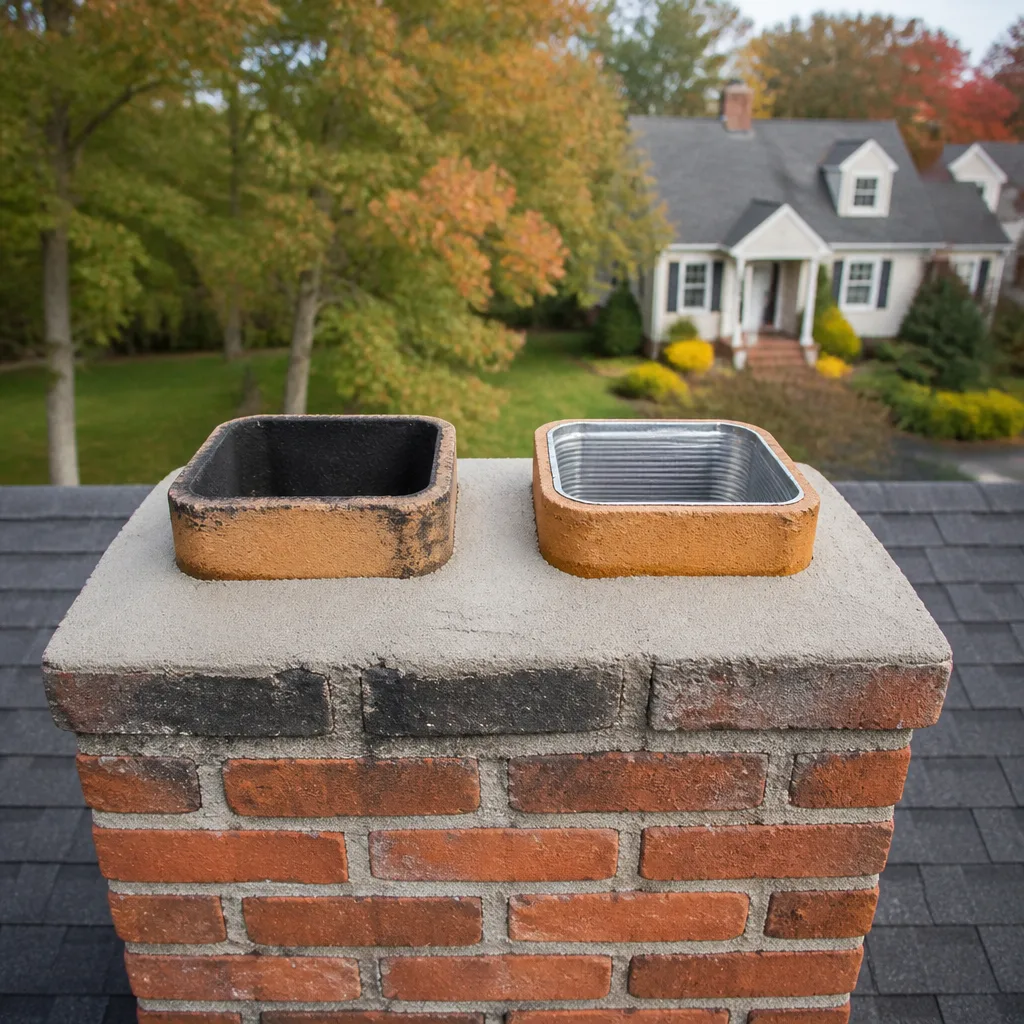
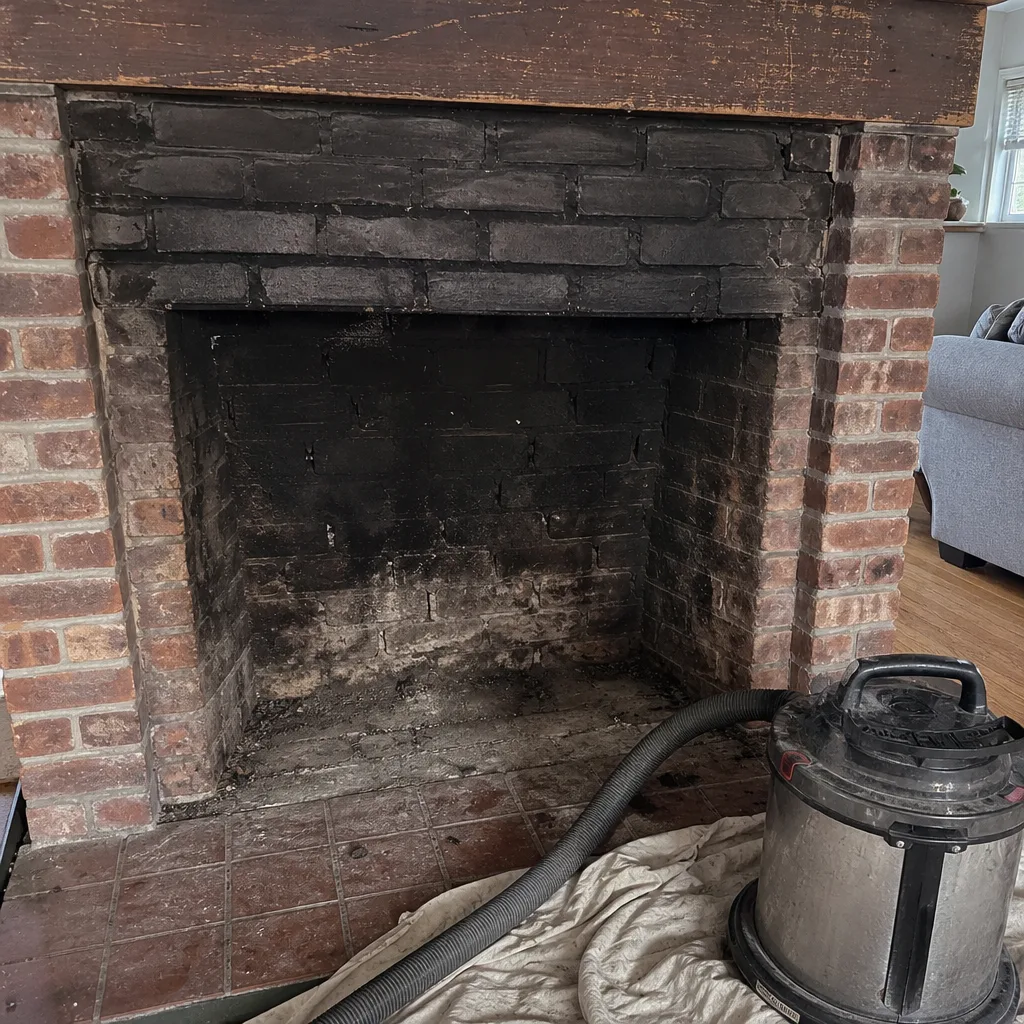 Before
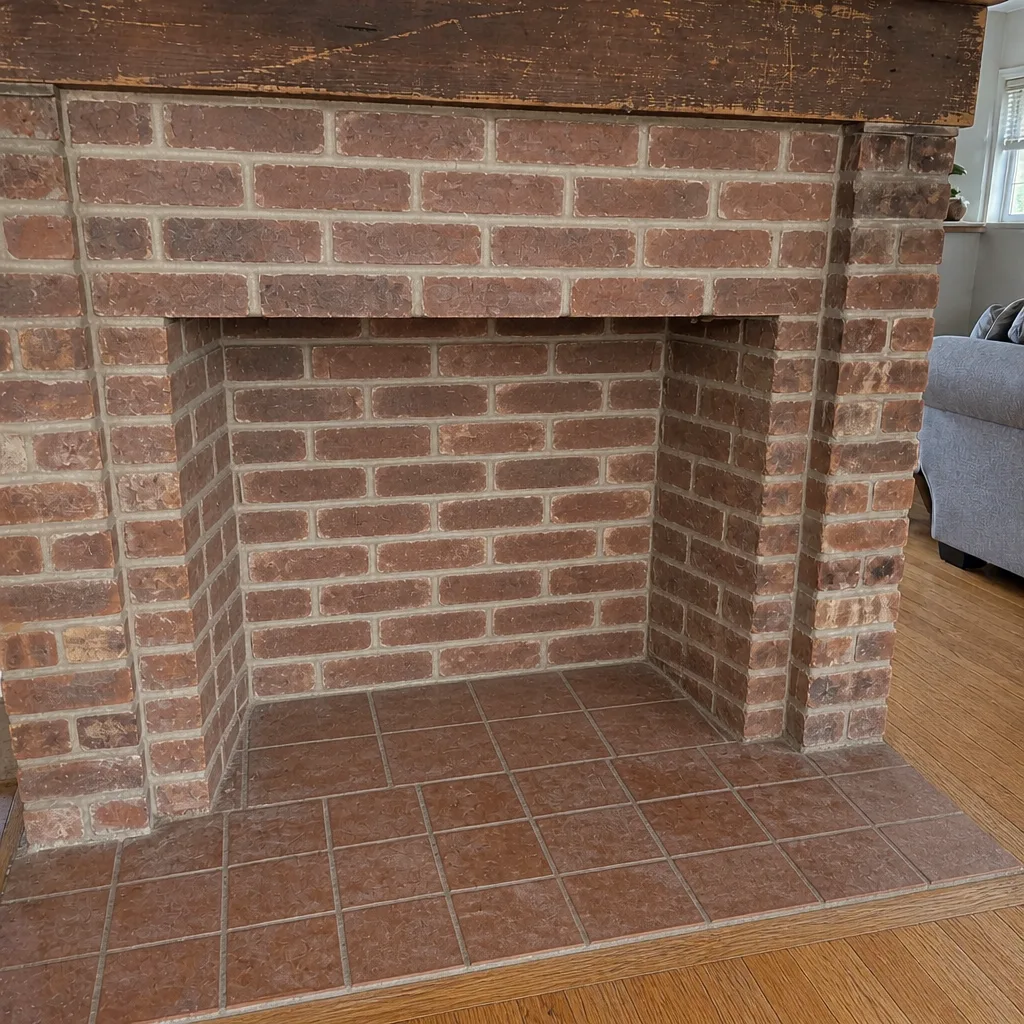 After
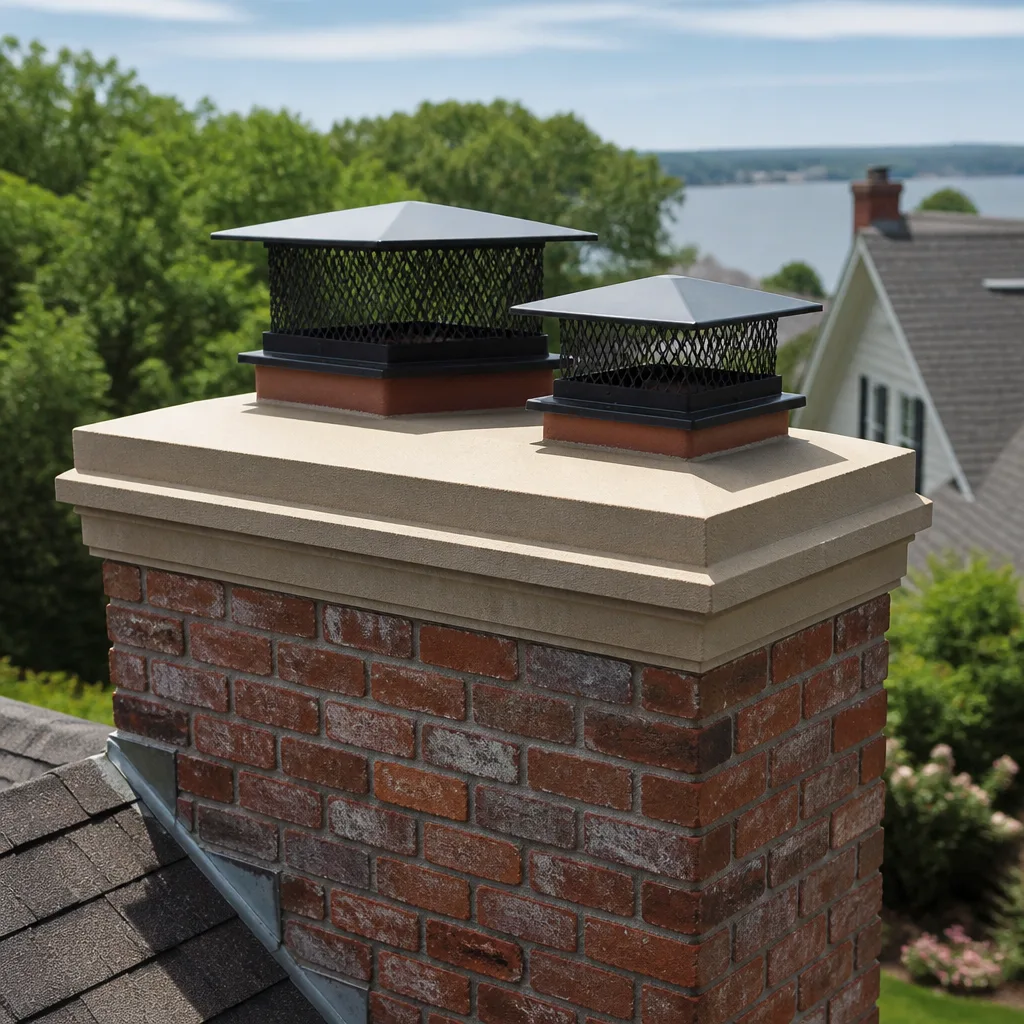
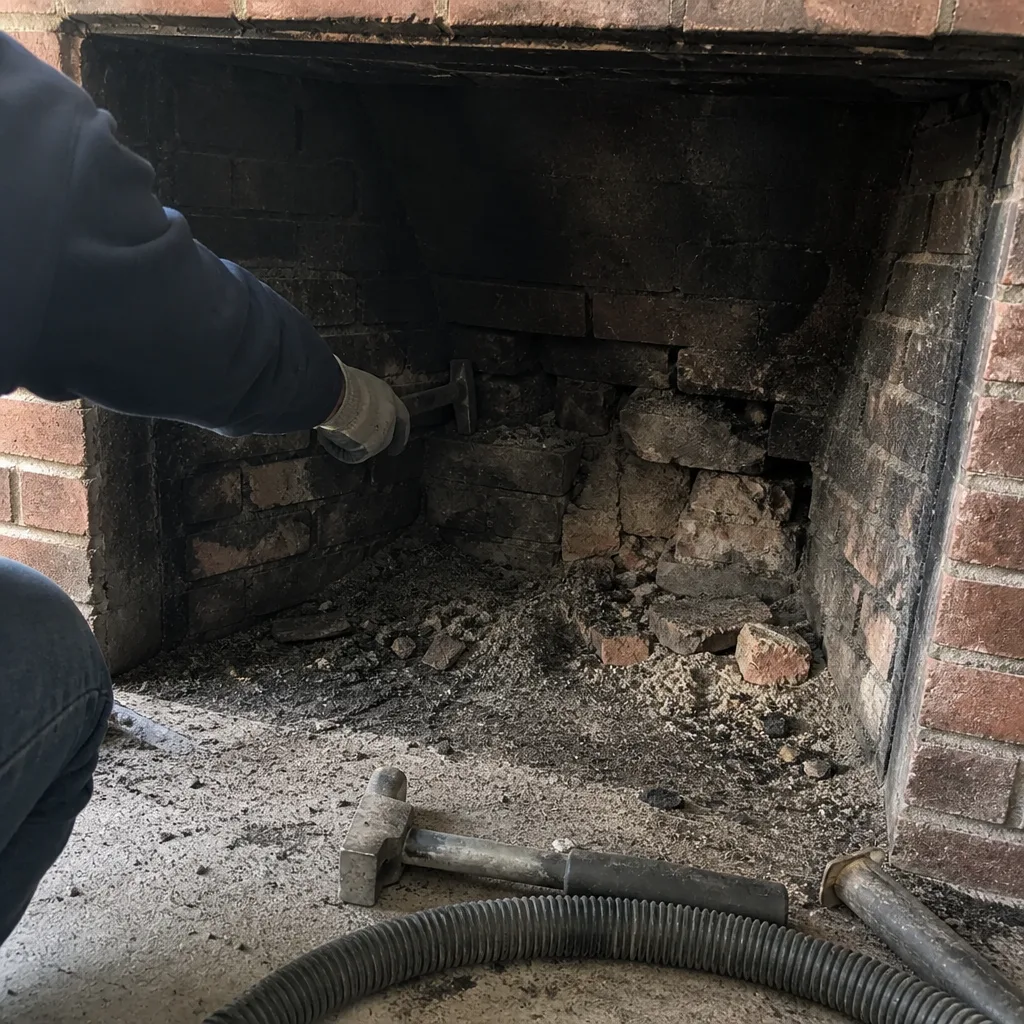 Before
 After
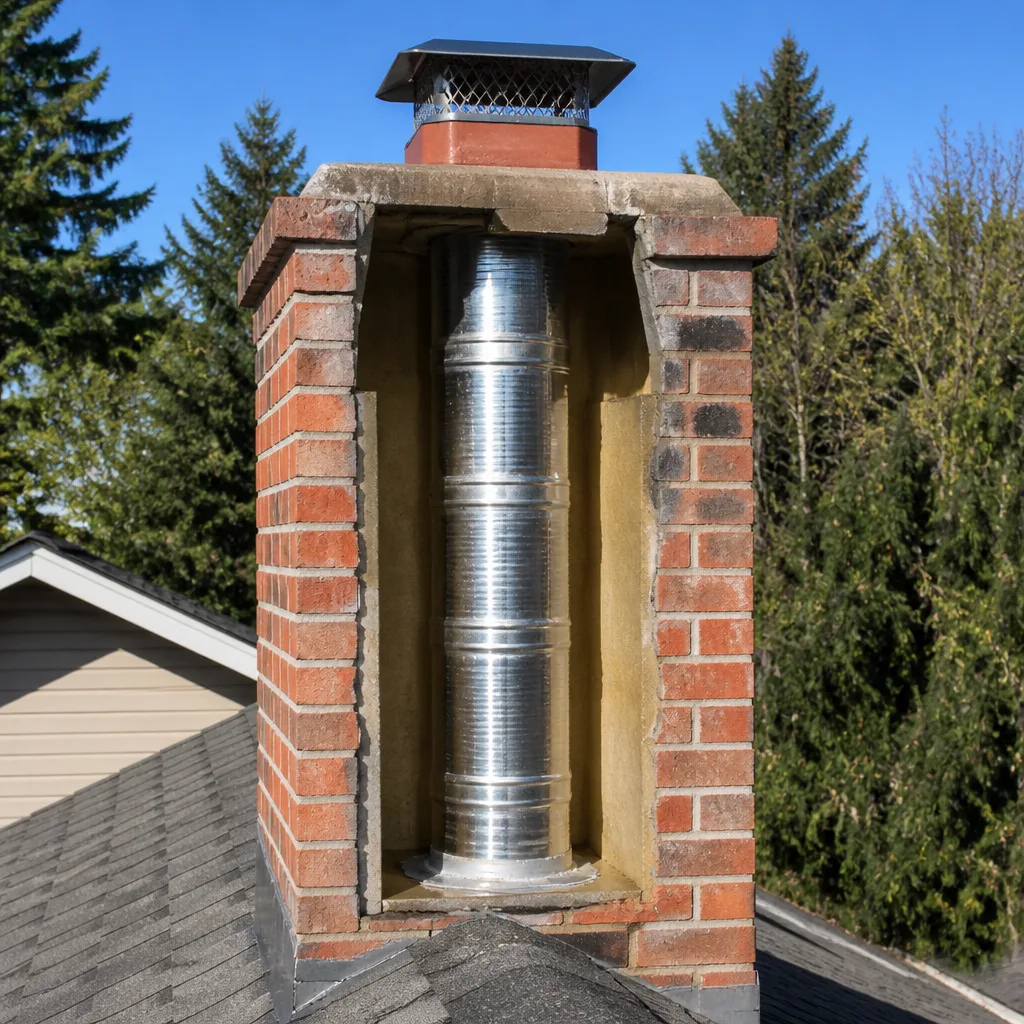
 Before
 After
When to Call a Professional
Some signs are a job for a sweep and inspection. Others are a job for a chimney repair specialist. In our view, the ones that call for a professional look – not a DIY attempt – include any smoke rollback with the damper fully open, any suspected chimney fire, any animal in the flue, crumbling firebox mortar, spalling brick or efflorescence on the exterior, a cracked crown, and a missing or displaced cap. High-tension chimney work, liner replacement, and crown repair all bring real safety risks if handled without the right equipment and training, so they aren’t DIY territory. Our technicians have up to 11 years of experience, and we tell you exactly what we found and show you the evidence before recommending any work. Chimney Sweep Chelsea offers free estimates in Chelsea – call Chimney Sweep Chelsea‘s team at (866) 937-8809. We answer 24/7. Fast dispatch from 7am to 7pm, Sunday through Friday, closed Saturday.
Frequently Asked Questions
The top warning signs are a strong creosote or smoky smell, smoke rolling back into the room with the damper open, white staining or spalling brick on the exterior, a missing or tilted cap, a cracked crown, and popping or animal noises from the flue. Any of these mean a sweep and inspection is due. Call (866) 937-8809 for a free estimate.
A wood-burning chimney should typically be swept once a year, and more often if you burn heavily or notice creosote smells between sweeps. Gas fireplaces benefit from an annual inspection even though they produce little creosote. Chelsea’s older housing stock makes the annual inspection especially worth keeping up with, because it’s the moment small crown or cap issues get caught before they turn into masonry repairs.
A smoky smell in summer usually means creosote deposits in the flue are off-gassing in warm, humid weather. It’s a sign the flue is carrying more buildup than it should. A summer smell is generally a schedule-soon sign, not an emergency, but it should be cleared before the heating season. Call (866) 937-8809 to book.
White staining is efflorescence, and it means water is moving through your masonry and evaporating on the surface. It’s a water-intrusion warning, often starting at a cracked crown or an open cap, and it needs to be addressed before spalling brick sets in. A proper cap from a maker like Famco or a crown repair is often the fix. Call for a free estimate.
Stop using it if you see smoke rollback with the damper fully open, hear a roar or find the chimney pipe hot to the touch, see crumbling firebox mortar with gaps, or hear an animal in the flue. Signs like a smoky smell, efflorescence, or a cracked crown mean book an inspection in the next few weeks, not stop burning immediately. When in doubt, call (866) 937-8809.
Yes, and it’s one of the most common sources of long-term damage. A missing cap lets rain and snow into the flue, which leads to rusted dampers, damaged mortar, and eventually spalling brick. It also lets animals in. A properly fitted cap is one of the least expensive repairs on a chimney, and it prevents the costlier ones.
The Bottom Line
Most chimney trouble is visible or smellable long before it’s dangerous. A smoky odor in August is a schedule-soon sign; a smoky odor in January during a fire is a stop-using-now sign. White staining and spalling brick on a Chelsea chimney mean water is getting in – the fix is rarely cosmetic. Smoke rollback with the damper open, a roar from the flue, or an animal in the chimney all mean stop burning. Sort the signs into urgent and schedule-soon, run the seasonal checklist twice a year, and call before the heating season. A camera inspection with photo evidence in hand means nothing gets recommended that you can’t see for yourself.
Ready to book a sweep and inspection? Call (866) 937-8809 for a free estimate. We answer 24/7. Fast dispatch from 7am to 7pm, Sunday through Friday, closed Saturday.
Written by the team at Chimney Sweep Chelsea.