
Last updated November 25, 2026
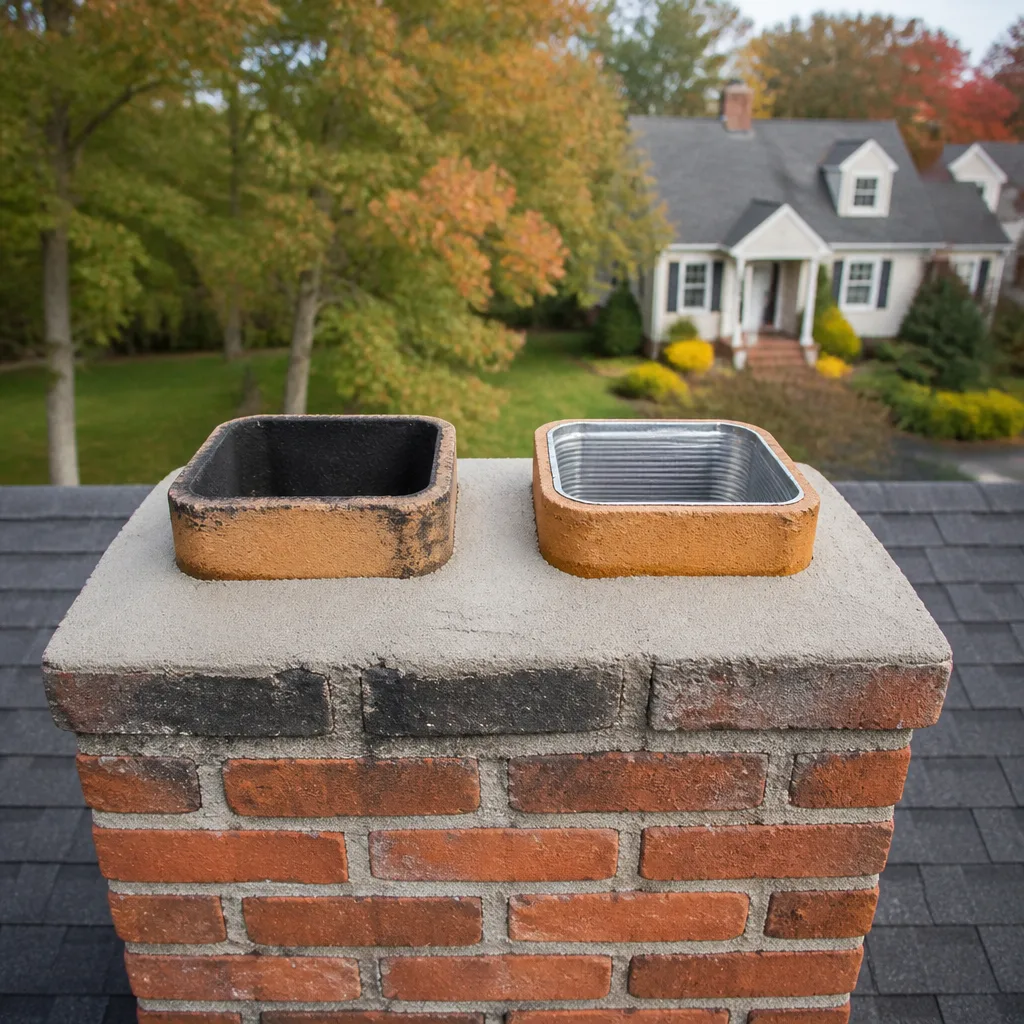 Sweep & inspection
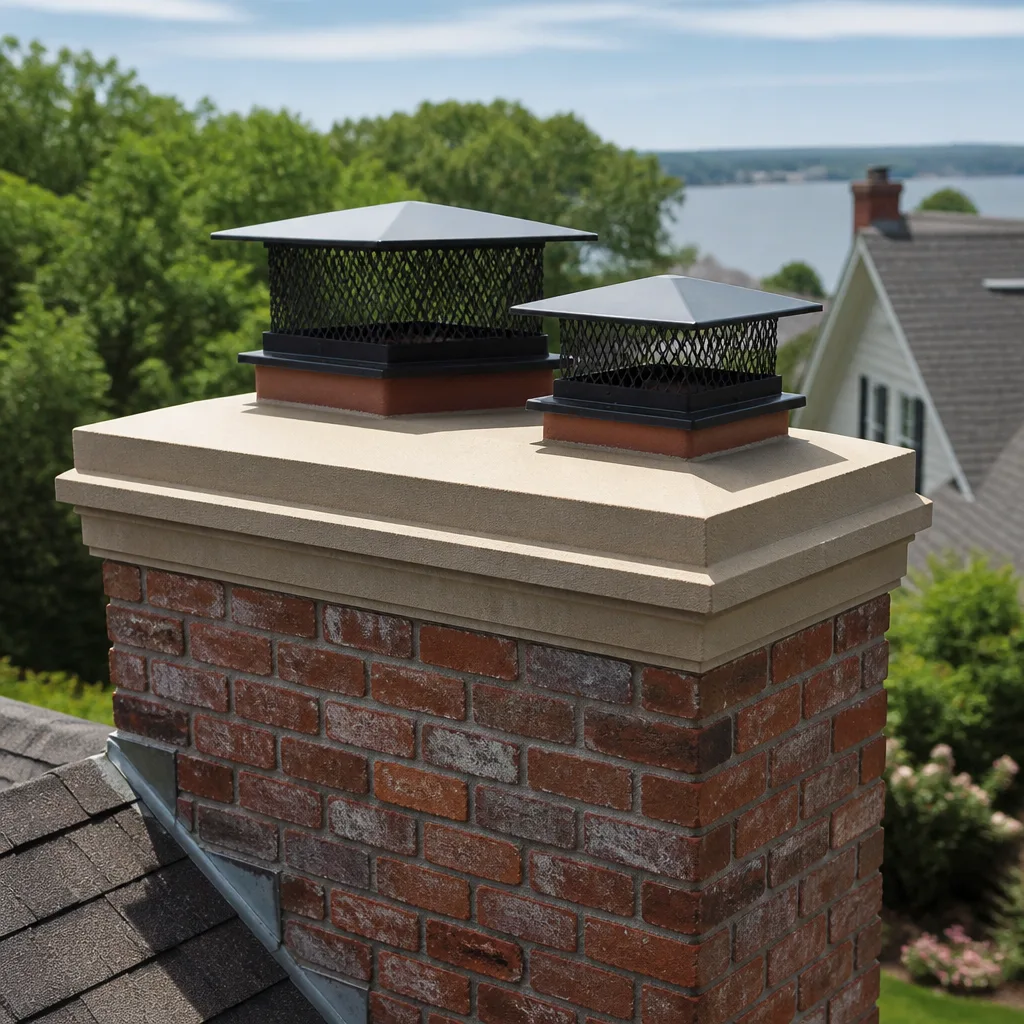 Caps & crowns
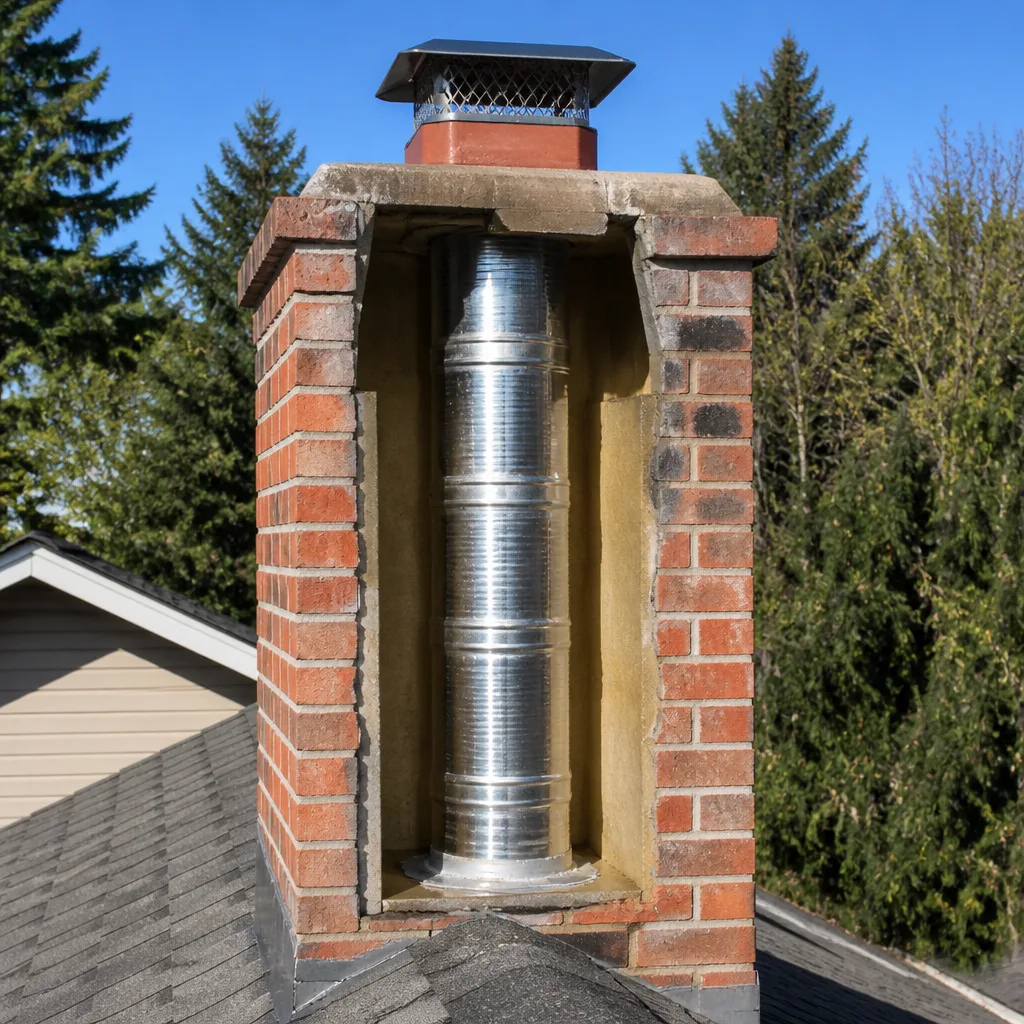 Flue relining
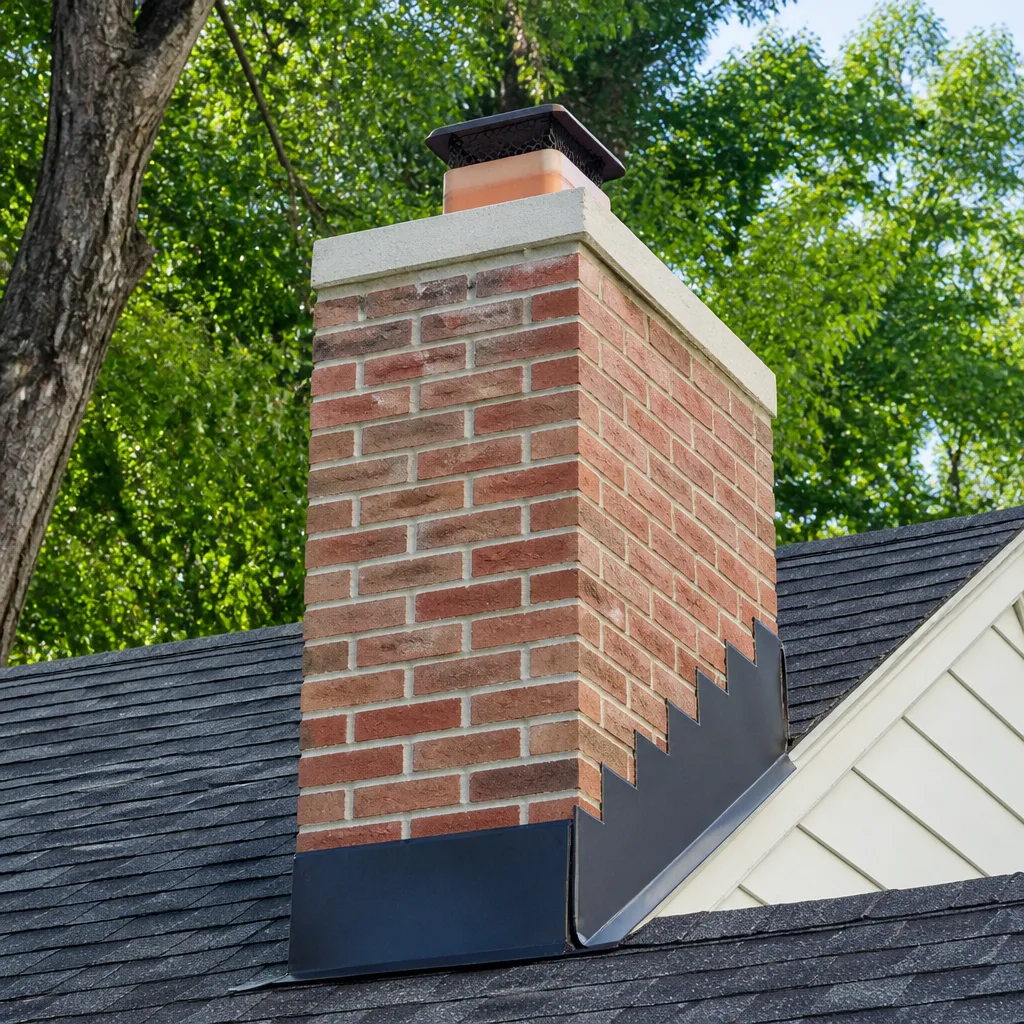 Masonry repair
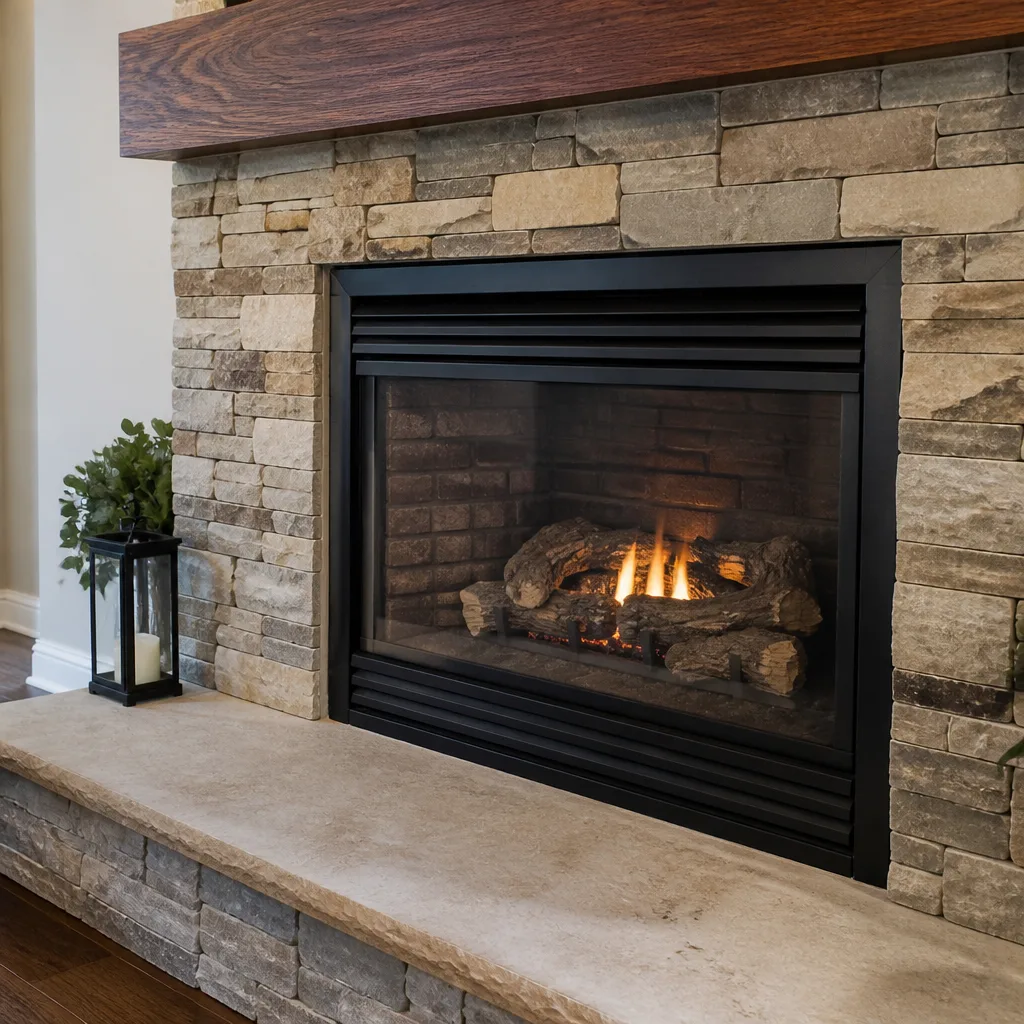 Gas fireplace service
Level 1 sweep and inspection to the NFPA 211 annual standard - flue, crown, cap, and flashing checked and photographed
Chimney sweep logs do not sweep chimneys. They loosen some creosote - which then falls where a brush and vacuum still have to collect it.
Chimney Sweep Troubleshooting in Chelsea: Common Problems and How to Fix Them
Most homeowners treat a smoking fireplace as a single vague problem called “a draft.” It isn’t. Smoke rolling into the room, a metallic smell on a cold morning, white crust on the brick above the firebox – each of those points to a different cause, and some of them have nothing to do with how clean the flue is. A brush fixes creosote. It won’t fix a flue that’s too short for the building it sits on, and in Chelsea’s pre-war stock it often is. This guide maps the symptoms you can actually see and smell to the causes a chimney sweep looks for, so you can describe what’s happening accurately, know which problems can wait, and know which ones can’t.
Quick Answer
Most chimney problems in Chelsea come down to four things: creosote buildup, water getting in through a failing crown or missing cap, a flue that’s undersized or too short for the building, and deteriorated mortar in older brick. Diagnose by symptom – smoke on windy days points to flue height or a blocked cap, white staining points to water and efflorescence, a smoky smell in warm weather points to negative pressure. Anything involving a damaged flue liner or cracked masonry needs a professional camera inspection before the next fire.
Styles & brands we work with
- Sweep & inspection
- Caps & crowns
- Flue relining
- Masonry repair
- Gas fireplace service
Table of Contents
- Matching the Symptom to the Cause
- Why Chelsea’s Pre-War Buildings Create Their Own Problems
- Smoke on Windy Days: What the West Side Corridors Do
- White Staining, Rust, and Water Getting In
- What You Can Safely Monitor vs. What Can’t Wait
- How to Describe the Problem So the Right Parts Arrive
- Common Misdiagnoses and What a Camera Finds
- When to Book in Chelsea: The Burning Season Calendar
Matching the Symptom to the Cause
Chimney troubleshooting starts with observation, not with a tool. Before anyone climbs anything, the useful information is already in your living room: how the fire behaves, what you smell, what the brick looks like. Here’s how the symptoms line up with causes.
- Smoke rolls out the top of the firebox opening when you light a fire: usually a cold flue or negative pressure in the house. Warm the flue with a rolled newspaper torch first; if it still happens, the flue is likely undersized or obstructed.
- Smoke only when the wind picks up: flue termination height, a down-drafting cap, or a nearby roofline creating turbulence. Not a cleaning issue.
- White, chalky staining on exterior brick: efflorescence – water moving through the masonry and leaving mineral deposits as it evaporates. The chimney is absorbing water somewhere above.
- Rust on the damper or firebox hardware: moisture coming down the flue. Usually a missing or failed cap, or a crown that no longer sheds water away from the flue.
- A smoky, acrid smell in the house during warm months: reverse stack effect. The house is pulling air down the chimney because the flue is cooler than the outdoor air.
- Crumbling mortar joints, especially on the chimney above the roofline: freeze-thaw deterioration. Common on Chelsea’s older brick chimneys and worth a close look before winter.
- Soot flakes falling into the firebox: buildup on the flue walls, or a liner that’s spalling. Needs a sweep and an inspection.
Notice how few of these are solved by sweeping alone. That’s the point of troubleshooting before you call: a sweep arriving with brushes will clean the flue. A sweep arriving with brushes and a camera, plus the right cap or liner on hand, actually solves the problem. Our technicians have up to 11 years of experience reading exactly these signals, and the first thing we do on a Chelsea call is confirm which category you’re in.
Why Chelsea’s Pre-War Buildings Create Their Own Problems
Chelsea’s housing stock is old, and old chimneys don’t follow modern rules. Buildings from the early twentieth century were designed around coal and then converted, sometimes badly, to wood or gas. What that means for troubleshooting is that the flue you’re looking at may not be the flue the building was built with.
A few patterns come up again and again:
- Shared flues. In some older buildings, two fireplaces on different floors vent into the same flue. One fire can push smoke into the other unit. This isn’t a blockage – it’s a design that has to be corrected, often by relining one side or re-routing.
- Undersized liners. An appliance replaced or upgraded over the years may now be venting through a flue that’s smaller than it needs. The symptom is poor draft and smoke spillage that no amount of cleaning will fix.
- Non-standard terra cotta. Older liners were laid up in tile that may not match modern dimensions. When a tile cracks, the replacement has to fit the flue that’s actually there, not a catalog size. This is one reason flexible liner systems matter – a DuraFlex liner can follow an irregular or offset flue where a rigid liner simply won’t go.
- Parged or unlined flues. Some pre-war chimneys were built without a clay liner at all, just brick and mortar parging. Those flues are the ones most likely to have hidden cracks and the ones most in need of proper relining.
If your building is pre-war, treat every chimney symptom as a structural question first and a cleaning question second. A chimney inspection with a camera tells you which of these patterns you’re dealing with. Guessing from the firebox alone is how people end up paying for the wrong repair.
Smoke on Windy Days: What the West Side Corridors Do
If your fireplace smokes only when the wind is up, the problem is almost never dirt. It’s geometry. A chimney needs enough height above the roof and above nearby obstructions to draw steadily, and the ratio of flue height to firebox opening has to be right. Get either wrong and a gust from the wrong direction pushes air back down the flue.
In Chelsea, the West Side blocks near the river sit in a wind corridor that funnels between building rows. A chimney that terminated correctly when the roofline next door was lower can start down-drafting once a taller structure goes up nearby. You’ll notice it as smoke spilling out the top of the firebox, sometimes only on certain days. A few things a sweep checks, in order:
- Cap condition and type. A cap that’s the wrong style for the exposure, or one that’s partially blocked by debris, will down-draft. A properly sized Gelco or Famco cap with the right screen and clearance often solves it.
- Termination height. The flue should clear the roof and any nearby ridge by enough to stay out of turbulent air. Short chimneys on flat or low-slope roofs are the usual culprits.
- Flue-to-opening ratio. If the firebox opening is oversized relative to the flue, the chimney can’t move enough air. That’s a structural fix, not a cleaning fix.
- Makeup air. A tightly sealed apartment or a house with exhaust fans running can starve the fire of air, and the flue pulls from the room instead. Crack a nearby window and see if the smoke stops – if it does, the problem is pressure, not the chimney.
That last test is genuinely useful. It costs nothing and tells you something real before anyone shows up. If the smoke clears when a window is cracked, mention it on the call – it points us toward the right diagnosis immediately.
White Staining, Rust, and Water Getting In
Water is the slowest and most expensive chimney problem most homeowners have, and it’s the one people miss longest because it happens quietly above the roofline. The signs show up below first: a rusting damper, a flue that smells damp, white staining on the outside brick.
Here’s the sequence. Rain hits the top of the chimney. If the crown – the concrete or masonry cap at the very top that slopes water away from the flue – has cracked, water runs down into the flue and the surrounding brick. If the cap that covers the flue opening is missing or damaged, water goes straight down the flue itself. Over time the water freezes and expands, opening mortar joints and cracking brick from the inside. The white staining you see is the mineral trail it leaves on the way out.
- Crown: should be intact, sloped, and showing no cracks. A cracked crown is a straightforward repair with the right material – a proper crown wash, not a smear of sealant.
- Cap: should cover the flue opening with a screen to stop animals and sparks, and should be sized correctly. A poorly fitted cap can be worse than none, because it traps water and debris.
- Flashing: the metal where the chimney meets the roof. Failed flashing lets water in at the base of the chimney, not the top. Worth checking whenever you’re up there.
- Masonry: crumbling mortar and spalling brick above the roofline. Repointing is the fix, not a coating over the top.
This is where a chimney cap & crown repair earns its keep. It’s the least glamorous chimney work and the one that prevents the most damage. Efflorescence near the top of a Chelsea chimney is a signal to look at the crown and cap first.
What You Can Safely Monitor vs. What Can’t Wait
Not every symptom is an emergency, and it helps to know which is which. You can safely watch some problems. Others need a professional before the next fire, full stop.
Safe to monitor:
- A single crack in exterior mortar on a chimney you’re not actively using until you can book a repair.
- Light surface rust on a damper you can still operate freely.
- A smoky smell in the off-season – reverse stack effect is normal in some homes, and it’s an odor, not a hazard, as long as the flue is intact.
- A few creosote flakes in the firebox when you’ve been burning regularly. Book a sweep, but don’t panic.
Needs a professional before the next fire:
- Any sign of a cracked or damaged flue liner, including white staining or crumbling lining material at the top of the flue.
- Smoke spilling into the room on every fire, not just occasional wind events.
- A blocked or restricted flue – visible nesting, a stuck cap screen, or debris you can see with a flashlight from the firebox.
- A firebox that smells of gas when you’re not burning, or a gas appliance venting into a chimney with no liner rated for it.
- A carbon monoxide alarm that’s gone off. That’s a call-your-gas-utility-first situation, then a chimney inspection.
Chimney fires and carbon monoxide are the two real hazards, and both come from flues that aren’t doing their job – either because they’re coated with creosote or because they’re damaged. We won’t tell you a hazard exists that isn’t there. What we will tell you is that a damaged liner is not something to burn through while you wait for a convenient appointment.
How to Describe the Problem So the Right Parts Arrive
The single most useful thing you can do before calling is to describe the problem in terms of when and what, not just “it smokes.” A sweep who knows which symptom you have can bring the right cap, the right liner sample, or the camera – and skip a return trip.
Try this format:
- What happens: “Smoke rolls into the room,” “I smell smoke when the fire is lit,” “I see white stains on the outside brick.”
- When it happens: “Every fire,” “only when it’s windy,” “only when I first light it,” “always in summer.”
- What you see: “Rust on the damper,” “crumbling mortar above the roofline,” “soot falling into the firebox,” “the cap looks bent.”
- What’s changed recently: A new roof, a taller building next door, a swapped appliance, a chimney you haven’t used in a few years. That context matters.
- The building: Roughly how old it is, and whether you’re in a shared-flue building. Chelsea’s pre-war stock answers a lot of diagnostic questions on its own.
Accuracy on that call is worth a great deal. A symptom described as “smoke on windy days” tells us to load a cap and a camera. “White staining” tells us to expect crown and mortar work. “It smoked once and stopped” tells us to bring the brush and look for buildup first. We tell you exactly what we found and show you the evidence before recommending any work, so if the description was off, you’ll see why.
Common Misdiagnoses and What a Camera Finds
A generalist handyman can clean a chimney and change a cap. What they can’t do is look inside a flue with a camera and tell you what condition the liner is in. That gap is where the expensive mistakes happen.
The most common misdiagnoses we see in Chelsea:
- “It just needs a sweep.” Sometimes true. But a smoky fire on windy days isn’t solved by cleaning, and neither is a flue that’s too short. Cleaning a flue that has a cracked liner makes the firebox look better and leaves the hazard in place.
- “The cap needs replacing.” A new cap can hide a crown problem underneath. If water is getting in, the cap and crown have to be looked at together – which is why we work with products like Gelco and Famco for cap and cover details, and with crown materials that actually shed water.
- “Your liner is fine, I looked inside.” A flashlight down the flue from the top shows the top third. It doesn’t show offsets, hidden cracks, or a shared flue. A camera inspection shows the whole thing, and that’s the difference between a guess and an answer.
- “Just reline it.” Relining is sometimes the answer. Sometimes the flue can be restored with HeatShield resurfacing instead of a full liner, which is less invasive and appropriate when the flue structure is sound. That’s a judgment call only a specialist with the right systems can make.
- “It’s probably your fireplace, not the chimney.” Firebox and chimney work together. We scope both – chimney repair and fireplace repair under one roof – so you’re not told to call a second contractor to finish the diagnosis.
The takeaway is simple: ask for camera evidence. Any chimney professional who’s confident in their diagnosis should be able to show you what they’re looking at, on a screen, before you agree to a number.
When to Book in Chelsea: The Burning Season Calendar
Chimney work follows the weather, not the calendar on the wall. The right time to book in Chelsea is before you start burning again, which for most homes here means late summer into early autumn. Booking in the warmer months means the work is done before the first cold snap, and it leaves time for any repair the inspection turns up.
Here’s how the season tends to break down:
- Spring: The end of the burning season. A good time for a sweep and a look at what the winter did to the crown and cap.
- Summer: The window for repairs that involve masonry or relining. Warm, dry weather helps mortar and crown work cure properly, and there’s no fire in the way.
- Early autumn: The last comfortable window to book a sweep before the heating season. This is also when people notice a smoky smell after months of not using the fireplace, and that smell is usually reverse stack effect, not a new problem.
- Winter: A sweep is still possible, but repairs that need dry weather are better deferred. If you find a problem mid-season, get it inspected; if the liner is damaged, don’t burn until it’s fixed.
We answer 24/7 on the phone line. Fast dispatch from 7am to 7pm, Sunday through Friday, and we’re closed on Saturday. A call outside those dispatch hours is booked into the next opening, Sunday through Friday. Booking early in the season is the single easiest way to avoid a scramble when the weather turns.
Common Mistakes to Avoid
- Assuming every smoky fire means the flue needs cleaning. It might be a cold flue, a short chimney, a wrong-sized cap, or a pressure problem in the house. Cleaning solves one of those. Test with a warmed flue and a cracked window first, then describe what happened on the call.
- Painting over white staining. Efflorescence is a symptom, not a stain. Painting the brick traps the moisture inside and pushes the damage deeper. Find the water source – usually the crown or cap – and fix that.
- Burning through a liner you suspect is damaged. A cracked flue liner lets heat and carbon monoxide into the building structure. If you see crumbling liner material or white staining at the top of the flue, get it inspected before the next fire, not after.
- Hiring a generalist for a chimney-specific diagnosis. A handyman can clean and cap. Reading a flue with a camera, judging whether a liner needs HeatShield resurfacing or replacement, and fitting a DuraFlex liner to an irregular pre-war flue are specialties. The misdiagnosis usually shows up later, when the real problem resurfaces.
- Buying a cap off the shelf without checking the fit. A cap that’s the wrong size or style for the flue opening can down-draft or trap water. Gelco and Famco make properly sized caps for a reason, and the sizing matters more than the brand name.
- Skipping the inspection because the sweep “cleaned everything.” A sweep cleans the flue. An inspection evaluates the whole system. Ask for both, and ask for camera evidence of anything the inspection raises.
- Waiting until the first cold week to book. In Chelsea the pre-season window fills up. Booking a chimney sweep in late summer means any repair the inspection finds can be done before you need the fire.
See the difference
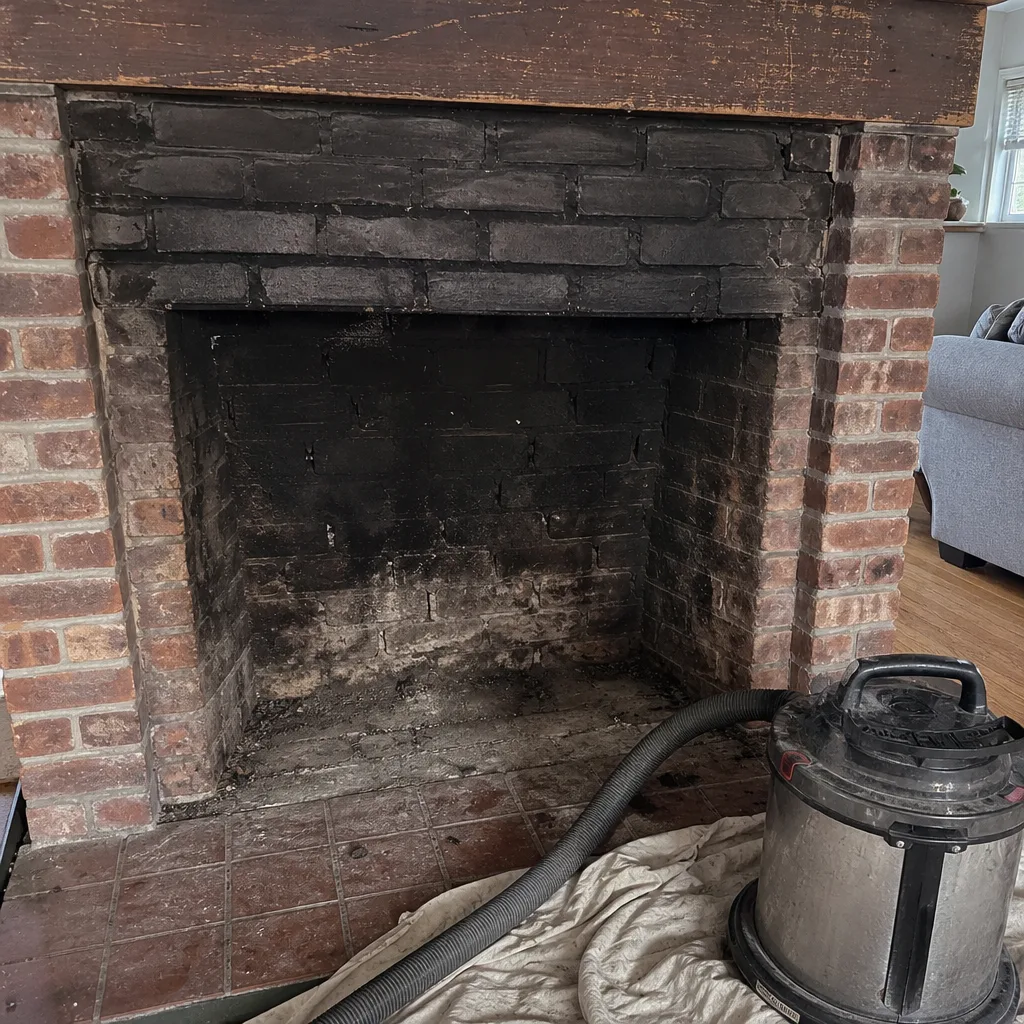 Before
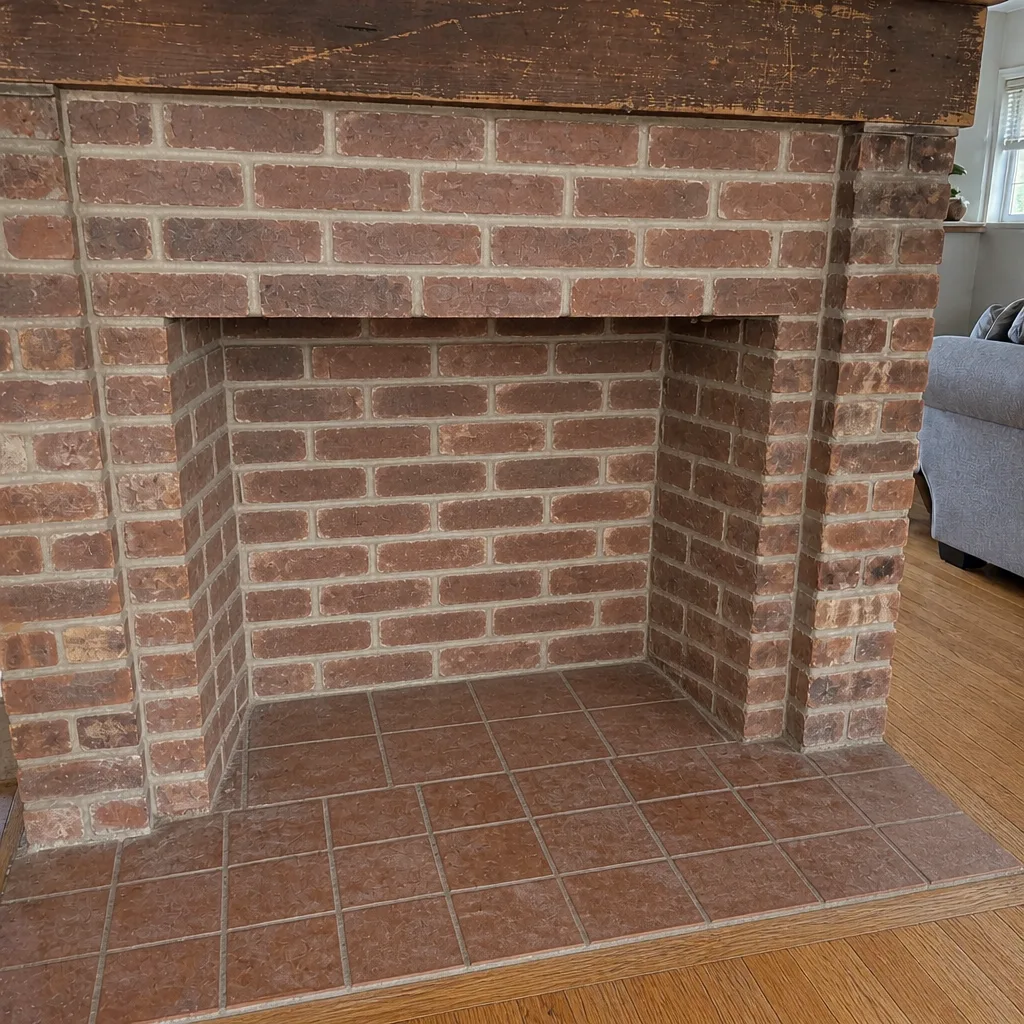 After
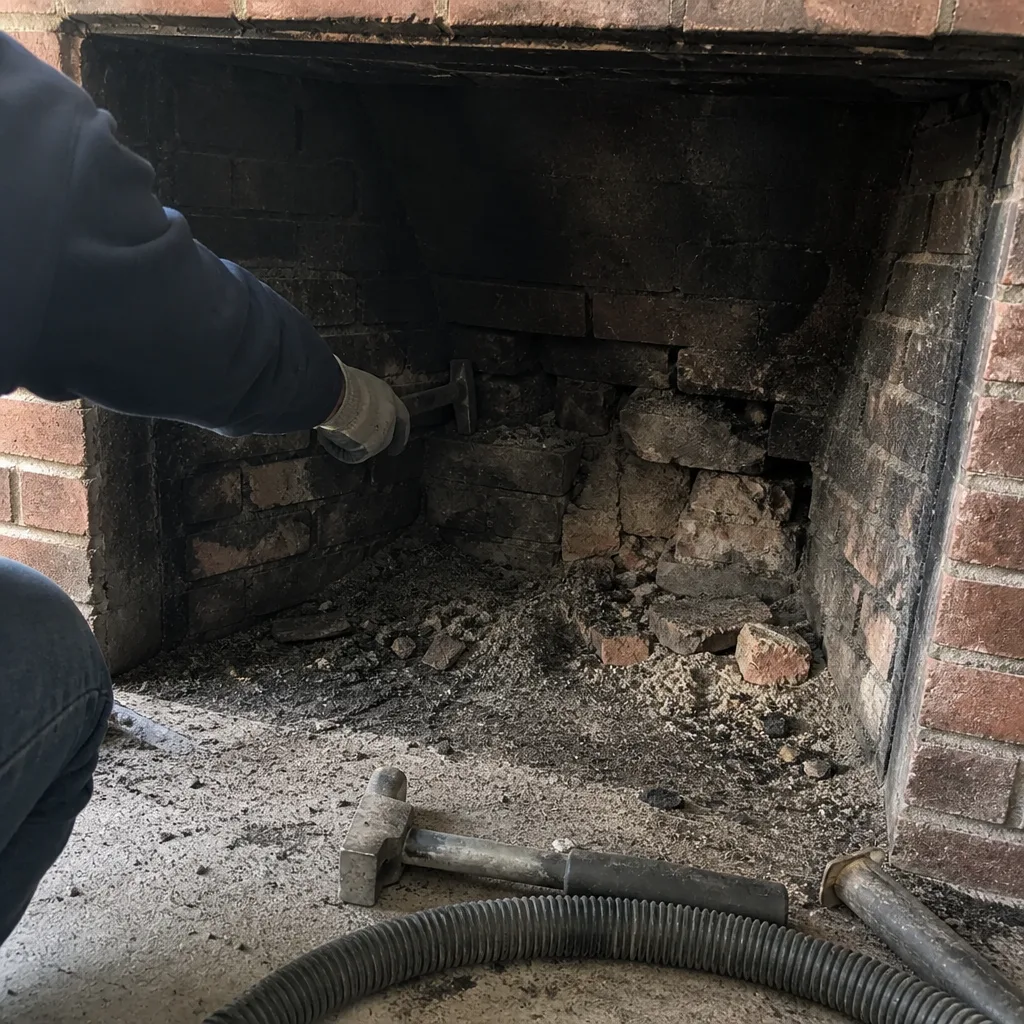 Before
 After
 Before
 After
When to Call a Professional
Call a professional if you see smoke entering the room on every fire, smell smoke or a burning odor when the fireplace is off, notice white staining or crumbling mortar on the chimney, see rust or damage to the damper or firebox, or can see debris or nesting inside the flue. Call before the next fire if a carbon monoxide alarm has gone off near the chimney or fireplace, or if you suspect the liner is cracked. Monitor-and-wait is fine for cosmetic mortar cracks on a chimney you’re not using and for light rust you can still operate. When in doubt, the camera inspection settles it. Chimney Sweep Chelsea offers free estimates in Chelsea – call (866) 937-8809. We answer 24/7. Fast dispatch from 7am to 7pm, Sunday through Friday.
Frequently Asked Questions
Because the problem is flue height or cap design, not dirt. A chimney needs enough termination height to stay out of turbulent air, and Chelsea’s wind corridors along the West Side can down-draft a flue that worked fine for years. A properly sized cap and correct termination height usually solve it; cleaning alone won’t. Call (866) 937-8809 for a free estimate.
It’s efflorescence – mineral deposits left behind as water moves through the masonry and evaporates. It means water is getting in somewhere above, most often through a cracked crown or a missing or failed cap. The fix is to find and stop the water source, not to paint over the stain. Call (866) 937-8809 for a free estimate.
Once a year for most wood-burning fireplaces, and more often if you burn heavily or burn unseasoned wood that builds creosote quickly. The annual sweep is also the point where an inspection catches problems early, which matters more in older pre-war buildings where liners and mortar have had more time to wear. Call (866) 937-8809 for a free estimate.
A new liner is only the right answer when the existing flue can’t be safely restored. Sometimes a HeatShield resurfacing restores a flue that’s structurally sound, and sometimes a DuraFlex liner is the only safe option for an irregular pre-war flue. Ask to see the camera evidence, and we’ll show you. Call (866) 937-8809 for a free estimate.
Creosote builds up on the flue walls and becomes more flammable the longer it sits, which raises the risk of a chimney fire. Water damage from a failing crown or cap also gets worse each winter as freeze-thaw opens the joints further. Skipping a year is not automatically dangerous, but skipping several in a row is how small problems become liner replacements. Call (866) 937-8809 for a free estimate.
A handyman can brush a flue and swap a cap. What they can’t do is read the inside of the flue with a camera, judge whether a liner needs resurfacing or replacement, or fit a flexible liner to a non-standard pre-war flue. Chimney work only – we’re not generalists who sweep chimneys on the side. Call (866) 937-8809 for a free estimate.
The Bottom Line
Chimney problems in Chelsea are diagnosable if you know what to look for. Read the symptoms before you call: smoke on windy days points to height and cap, white staining points to water, smoky smells in summer point to pressure, and crumbled lining means stop burning. You can safely monitor cosmetic mortar cracks and light rust. You can’t monitor a damaged liner – that needs a camera inspection and repair before the next fire. Describe what you see and when it happens, and ask for evidence before you agree to any work. Every part of the system, from the firebox to the crown, is one job for one specialist.
If you’ve read this far and recognized your own chimney in one of these symptoms, the next step is a conversation, not a repair estimate in your head. Call (866) 937-8809 for a free estimate. We answer 24/7, with fast dispatch from 7am to 7pm, Sunday through Friday. We’ll tell you exactly what we found, show you the camera evidence, and tell you plainly when a problem can safely wait.
Written by the team at Chimney Sweep Chelsea.