
Last updated November 25, 2026
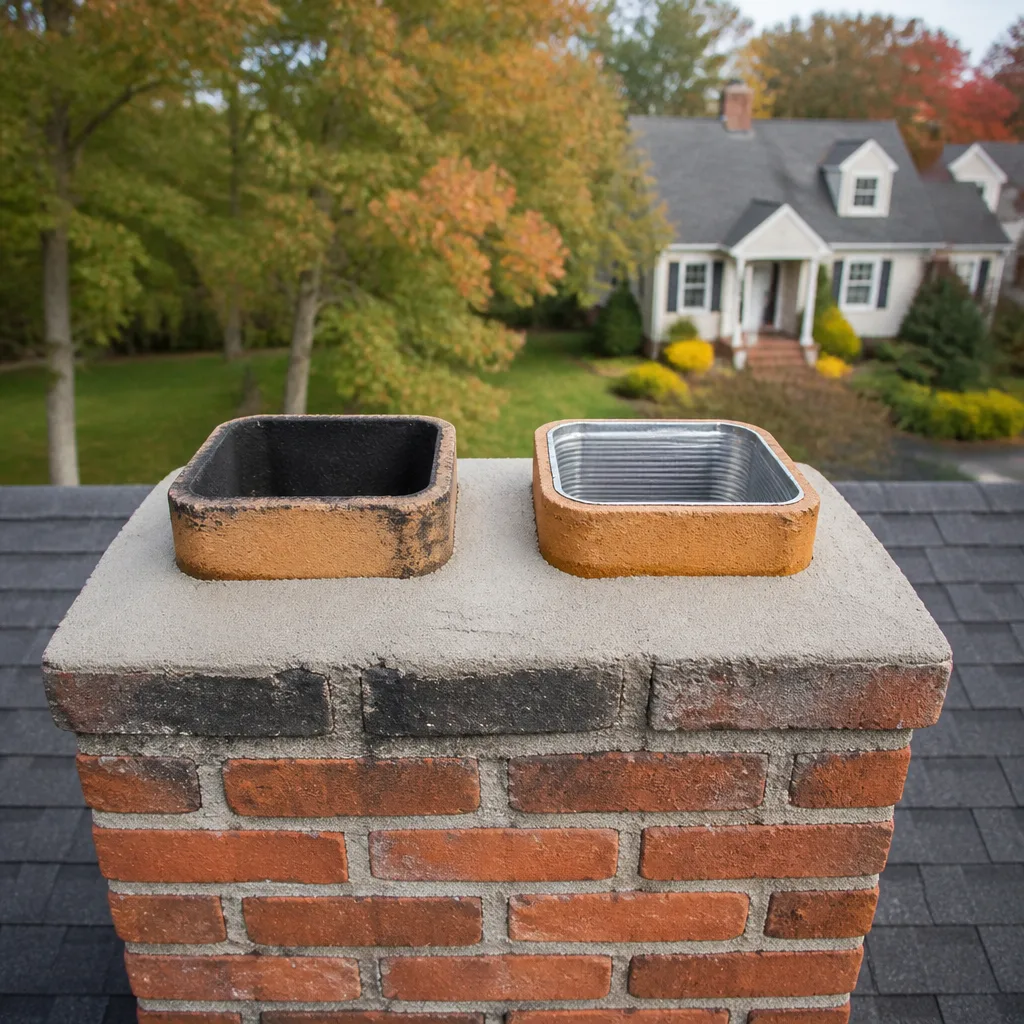 Sweep & inspection
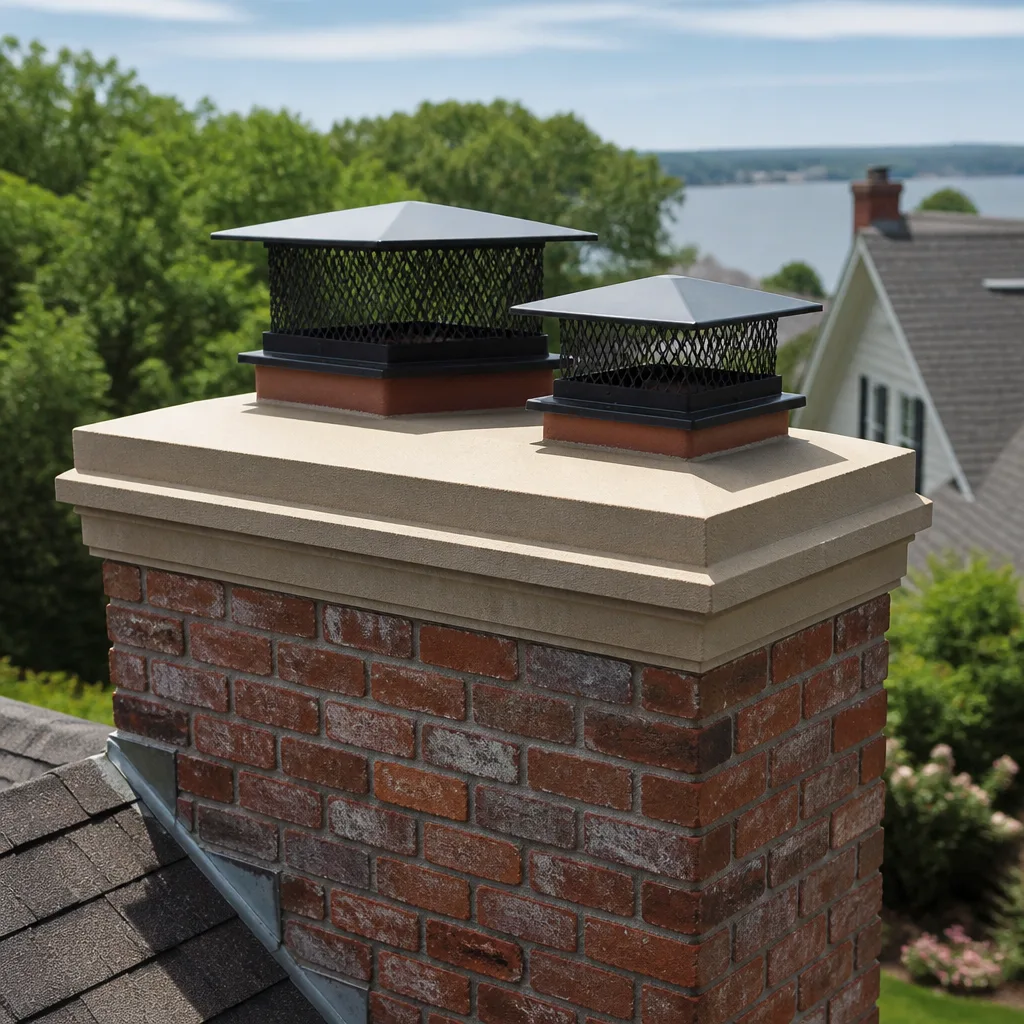 Caps & crowns
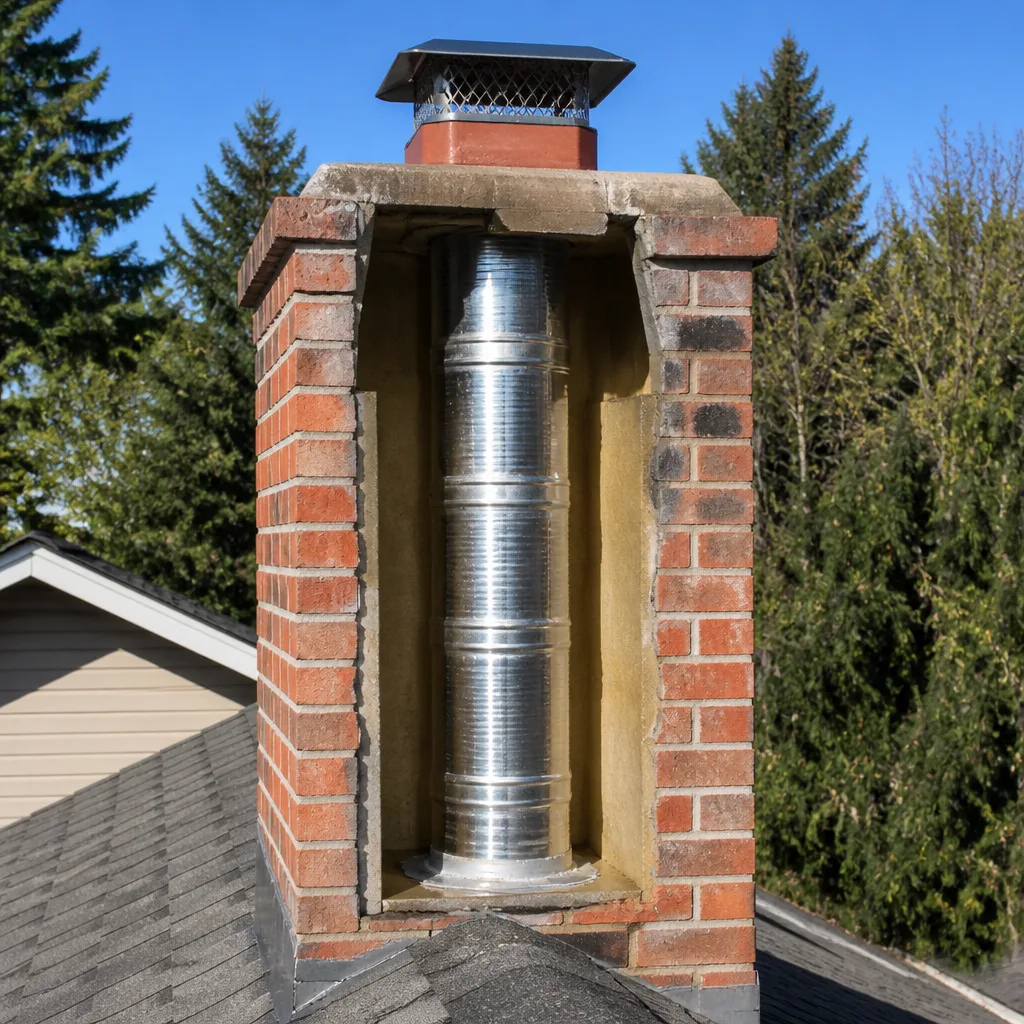 Flue relining
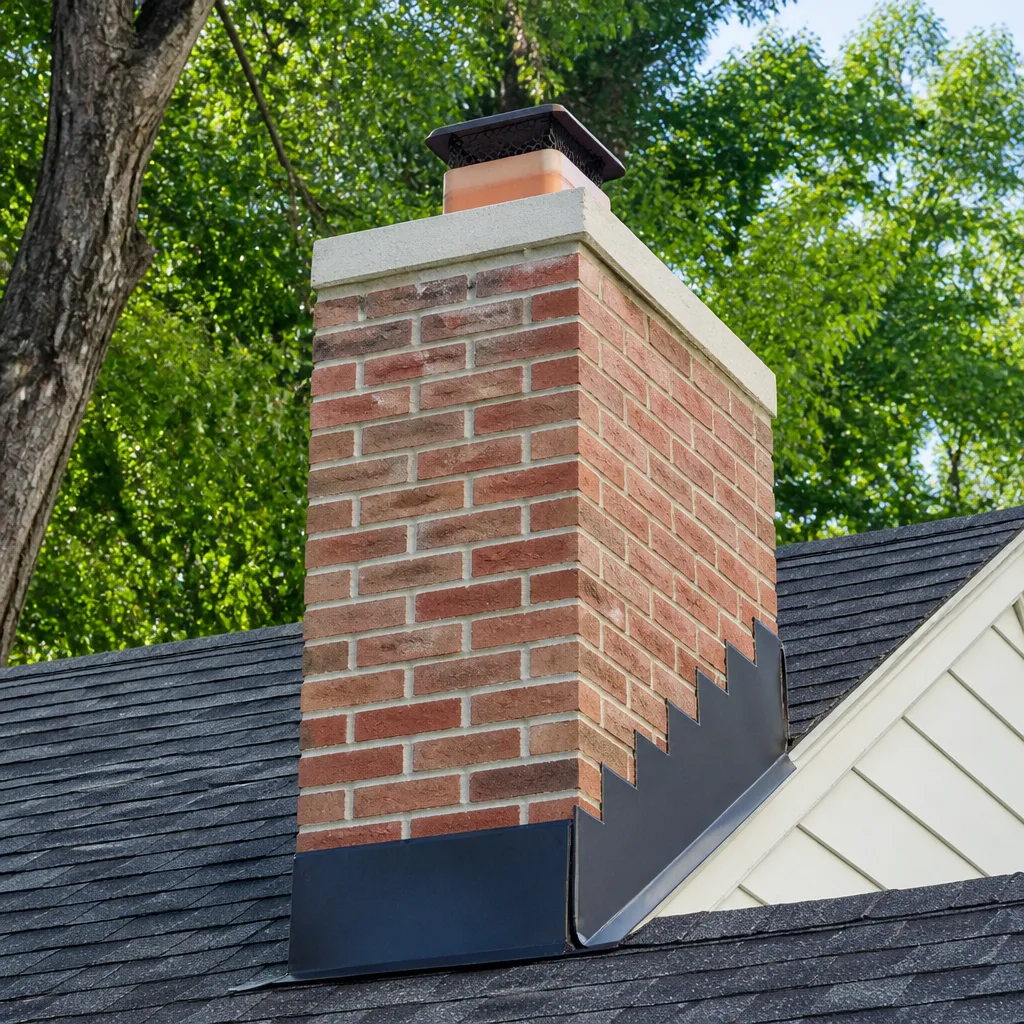 Masonry repair
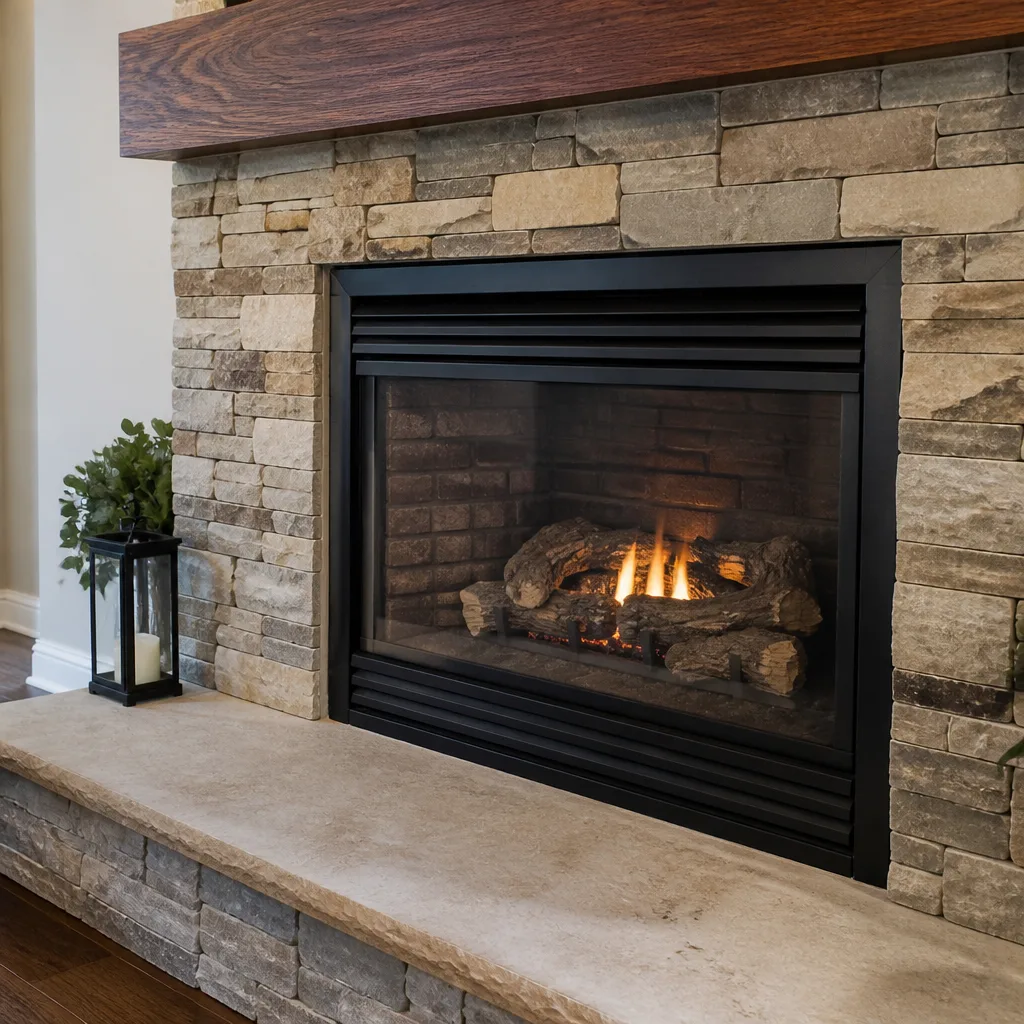 Gas fireplace service
Level 1 sweep and inspection to the NFPA 211 annual standard - flue, crown, cap, and flashing checked and photographed
Chimney sweep logs do not sweep chimneys. They loosen some creosote - which then falls where a brush and vacuum still have to collect it.
Chimney Cleaning Permits, Codes & Inspections in Chelsea, NY: What You Need to Know
Here’s the part most homeowners get wrong: a routine chimney sweep in Chelsea almost never needs a permit, but the repairs that sweep often uncovers usually do. The line between maintenance and construction is sharper than people expect, and it’s drawn by the New York City Building Code and enforced through the Department of Buildings. Skip the filing on a liner replacement and you’ve created a defect that has to be disclosed to buyers and can complicate an insurance claim after a fire. This guide walks through which chimney services fall on which side of that line, how the Fire Code shapes inspection frequency, where co-op and condo boards add a second layer of approval, and what paperwork a compliant contractor should hand you when the work is done.
Quick Answer
Routine chimney cleaning and inspection in Chelsea are maintenance tasks and don’t require a DOB permit. Liner replacement, flue rebuilding, crown reconstruction, and any work that alters the chimney structure generally do require a permit and inspection under the NYC Building Code. Your co-op or condo board may also require its own approval, and NYC Fire Code Section 603 governs how often solid-fuel appliances must be cleaned and inspected. Always confirm current requirements with the NYC Department of Buildings before work begins.
Styles & brands we work with
- Sweep & inspection
- Caps & crowns
- Flue relining
- Masonry repair
- Gas fireplace service
Table of Contents
- Which Chimney Work Needs a Permit in Chelsea?
- Local Law 11 and Chimney Crown Work on Taller Buildings
- Fire Code Section 603 and How Often You Actually Need a Cleaning
- Co-op and Condo Board Approval: The Layer Most Owners Forget
- As-Built Documentation and Why You Keep It Forever
- What the Three Levels of Chimney Inspection Actually Cover
- Why Chelsea’s Older Buildings Change the Equation
- What Chimney Work in Chelsea Typically Costs
Which Chimney Work Needs a Permit in Chelsea?
The dividing line is simple in principle and fuzzy in practice: cleaning and inspection are maintenance, while anything that replaces, rebuilds, or structurally alters part of the chimney is construction work. New York City’s Building Code treats the chimney as part of the building’s structural and fire-safety systems, which is why substantive work triggers a filing.
Here’s how the split usually looks in Chelsea apartments and townhouses:
- No permit typically required: sweeping and brushing the flue, removing creosote and soot, a Level 1 or Level 2 inspection, installing or replacing a chimney cap on a like-for-like basis, and minor mortar repointing at the crown edge.
- Permit generally required: full relining of a flue (including flexible stainless systems), rebuilding a chimney above the roofline, reconstructing a damaged crown, replacing a firebox or smoke chamber lining, and any work that changes the flue’s dimensions or the chimney’s structural configuration.
- Depends on scope and building type: cap replacement that involves cutting into the crown, damper replacement inside the firebox, and repointing that extends into structural masonry. These are the jobs where you want a written determination before the first hammer swings.
We’ve seen the permit question come up most often during liner work, because a liner replacement is exactly the kind of job that a sweep discovers and a homeowner didn’t plan for. HeatShield resurfacing sits in a gray zone depending on how it’s applied, which is one reason we document the existing flue condition with photos before quoting anything. Requirements change, and interpretation can vary by project, so the answer that matters is the one you get from the Department of Buildings for your specific address.
Local Law 11 and Chimney Crown Work on Taller Buildings
Local Law 11 (the Facade Inspection Safety Program, now formally the Facade Inspection and Safety Program) requires periodic inspection of exterior walls on buildings taller than six stories. Chimneys and their crowns are part of that exterior envelope. That means in a taller Chelsea building, crown and cap work can’t be evaluated in isolation – it lives inside a facade report and a filing cycle the building already runs.
What this means in practice:
- The building has an existing facade inspector. Before any crown repair proceeds, the board usually wants the work reviewed against the current facade report so the repair doesn’t create a new item on the next cycle.
- Scaffolding and access get coordinated. Crown work on a tall building often needs the same access equipment the facade contractor uses. Scheduling around that cycle is often slower than the masonry work itself.
- Documentation gets filed both ways. The completed chimney repair should be recorded so the next facade inspection reflects the corrected condition rather than flagging the same defect again.
In our experience, the buildings that move fastest are the ones where the board already understands that a failing crown is a water-intrusion pathway, not just a cosmetic crack. A crown that sheds water properly protects the masonry below it, and the products matter here – we work with Gelco and Copperfield caps and crown materials because the small details at the top of the chimney are what keep water out of the structure underneath.
Fire Code Section 603 and How Often You Actually Need a Cleaning
NYC Fire Code Section 603 addresses the maintenance of chimneys and solid-fuel appliances, and the practical takeaway is that the responsibility for keeping a flue clean sits with the building owner or occupant, not with the city. The code establishes that chimneys serving wood-burning appliances must be cleaned and inspected on a regular basis, and that the frequency depends on how much the appliance is used and what’s being burned.
That’s the honest answer, and it’s more useful than a fixed calendar rule. A fireplace used a few times a month through the winter behaves very differently from one burning daily. A stove burning well-seasoned hardwood produces less creosote than one burning green wood or fire logs with high oil content. For most Chelsea households with a wood-burning fireplace:
- Light use: an annual sweep and inspection is still the baseline, because creosote accumulates even in a fireplace you think you barely use.
- Regular evening burning through the heating season: a sweep before the season starts, plus a check if you notice a drop in draft.
- Gas fireplaces: the venting and the appliance still get inspected annually, though the cleaning burden is lighter and the service is different from a wood-flue sweep.
The other point Section 603 locks in is that this is a code obligation, not a personal preference. If a flue fire happens in a building with no cleaning record and the cause traces to a neglected chimney, that record matters. A dated inspection report is your evidence that you maintained the system, which is worth keeping alongside your other building paperwork.
Co-op and Condo Board Approval: The Layer Most Owners Forget
City code is only half the approval story in Chelsea. Most residential buildings here are co-ops or condos, and the board’s alteration agreement typically governs any work that touches the building’s structure, exterior, or shared systems. A chimney that serves your fireplace but penetrates the roofline is usually shared-structure territory, which means the board gets a say even when the DOB permit is straightforward.
What board approval usually involves:
- An alteration agreement with the building’s managing agent, specifying insurance, working hours, and contractor qualifications.
- Submittal of plans to the board or its architect before work starts, sometimes with the same drawings filed with the DOB.
- Proof of insurance and licensing from the contractor – the local pro you hire should be able to provide this as their state and building requirements call for.
- Restoration requirements if the work touches shared surfaces, with restitution deposits in some buildings.
The reason board approval deserves its own section is timing. The DOB process is usually predictable; the board meeting schedule often isn’t. If your building meets monthly and the submittal packet needs to go out a week ahead, you can lose a full month before anyone is allowed on the roof. Start the board conversation before you start shopping for a contractor, not after. A bit of preparation on the front end saves weeks of waiting on the back end.
As-Built Documentation and Why You Keep It Forever
After permitted chimney work is signed off, you should be handed a package of records. This is the file that protects you at resale, during an insurance review, and if a future contractor ever questions what’s inside your flue.
A complete package typically includes:
- The pull and sign-off record. The permit number, the approved scope, and the final DOB inspection confirming the work was completed as permitted.
- As-built drawings or a written description of what was actually installed, including liner type, dimensions, and materials.
- Product documentation. Manufacturer specs for the liner or resurfacing system, which matters because a HeatShield or DuraFlex installation carries its own installation requirements and material data.
- Photographs of the work – before, during, and after – including shots inside the flue.
- The technician’s inspection report from the final walkthrough, signed and dated.
Keep these forever, and keep them with the deed or the apartment’s closing file rather than in a drawer. When a buyer’s attorney asks for the alteration file, or an insurer asks what was replaced and when, a complete package answers the question in one page. Missing paperwork is where deals slow down and where coverage arguments start. This is one of the reasons we photograph every flue we open and hand over the images – the evidence should belong to you, not live only in our records.
What the Three Levels of Chimney Inspection Actually Cover
Chimney inspections aren’t one thing. The industry standard splits them into three levels, and knowing which you’re getting matters when you’re comparing quotes or preparing for a board submittal.
- Level 1: a visual check of the accessible portions of the chimney – firebox, damper, visible flue, cap, and crown. This is the right inspection for an annual sweep on a chimney with no known issues.
- Level 2: everything in Level 1 plus a video camera scan of the entire flue interior. Level 2 is the standard for a real estate transaction, after a flue fire, after a change of appliance, or when the chimney has been through a seismic or weather event. It’s also what a board usually wants before approving liner work.
- Level 3: a targeted investigation of a specific area where a problem is suspected, sometimes requiring removal of part of the chimney to get at the issue.
If you’re being told you need a liner or masonry repair, ask to see the camera footage. There is no good reason for anyone to recommend thousands of dollars in work without showing you the evidence. A Level 2 inspection includes photographs and a written report, and that’s what a compliant contractor should hand over. Our position on this is simple: nothing gets recommended without documentation you can look at yourself. If the work can safely wait until spring, we say so, and we put that in writing too.
Why Chelsea’s Older Buildings Change the Equation
Much of Chelsea’s housing stock predates modern chimney standards. Walk-in fireplaces in converted warehouses, townhouses with original parged flues, and pre-war apartment buildings where the chimney was designed for coal or oil and later repurposed – these are the cases where the flue’s interior shape and condition routinely surprise people.
Two specific realities show up in Chelsea chimney work:
- Irregular flues. Older chimneys were often built with a tile liner or parged clay that isn’t perfectly uniform. A rigid liner can’t always be dropped into a flue with offsets or a slightly oval cross-section, which is where a flexible system earns its keep. This is the reason we work with DuraFlex – the flexible liner handles the geometry that a rigid pipe can’t follow without a lot of demolition.
- Deteriorated parging and liners. Flue tile can spall and mortar joints can erode in any building, but the older the chimney, the more likely the interior needs to be resurfaced before it’s safe. HeatShield resurfacing is designed for exactly this – restoring a damaged flue from the inside without rebuilding the chimney from the outside.
Both of those services are permitted work in most cases, and both need documentation. It’s common for a homeowner to call for a routine sweep and learn that the flue they thought was fine needs a liner. The right response is a camera scan, a written report, and a scope that matches the actual condition – not an instant quote over the phone.
What Chimney Work in Chelsea Typically Costs
Costs in Chelsea run higher than in many parts of the outer boroughs because access, board requirements, and the age of the building stock all add labor and coordination. The ranges below are typical estimates for the market; your written estimate sets the final price after we’ve seen the chimney.
| Service | Typical estimated range | Permit usually needed |
|---|---|---|
| Chimney sweep (single flue) | $200 – $350 | No |
| Level 2 inspection with camera scan | $250 – $450 | No |
| Chimney cap replacement | $200 – $500 | Usually no |
| Crown repair or reconstruction | $500 – $1,500 | Often yes |
| HeatShield flue resurfacing | $1,800 – $3,500 | Often yes |
| Full flexible liner installation | $2,500 – $5,000 | Yes |
Those ranges shift with the height of the chimney, roof access, and whether scaffolding or a board submittal is involved. What matters more than the number is what it includes: a sweep doesn’t stop at a brush and a bin. Our technicians have up to 11 years of experience, and every visit includes a camera inspection and a photo report on top of the flat price we agree before we book. If work can wait, we say so – you shouldn’t be committing to a liner on the first cold week of October because the draft felt weak.
Common Mistakes to Avoid
- Assuming a permit isn’t needed because the sweep said so. Sweeping is maintenance, but the liner or crown repair that follows usually isn’t. Verify the permit requirement for the actual work, not the general service.
- Skipping the board submittal. Filing with the DOB is only part of the process in a Chelsea co-op or condo. Check with your managing agent before you sign a contract, or the work could stall after the deposit is paid.
- Not asking for the camera footage. Any recommendation for liner work should come with the video and a written report you can keep. If a contractor won’t show you the evidence, that’s the answer to your question.
- Discarding the amendment package once the job is done. The permit closeout, as-builts, and material documentation belong with the deed. Losing them creates the exact problem you were trying to avoid at resale.
- Treating a cap replacement as purely cosmetic. A missing or damaged cap lets water and animals in, and the crown below it takes the damage. Small detail at the top; large consequence below.
- Burning unseasoned wood to save money. Wet wood accelerates creosote buildup, which means the flue needs cleaning more often than the annual baseline. The savings evaporate at the next sweep.
- Ignoring a draft change mid-season. A suddenly lazy draft usually means an obstruction or a failing liner. That’s a call, not a waiting game until spring.
See the difference
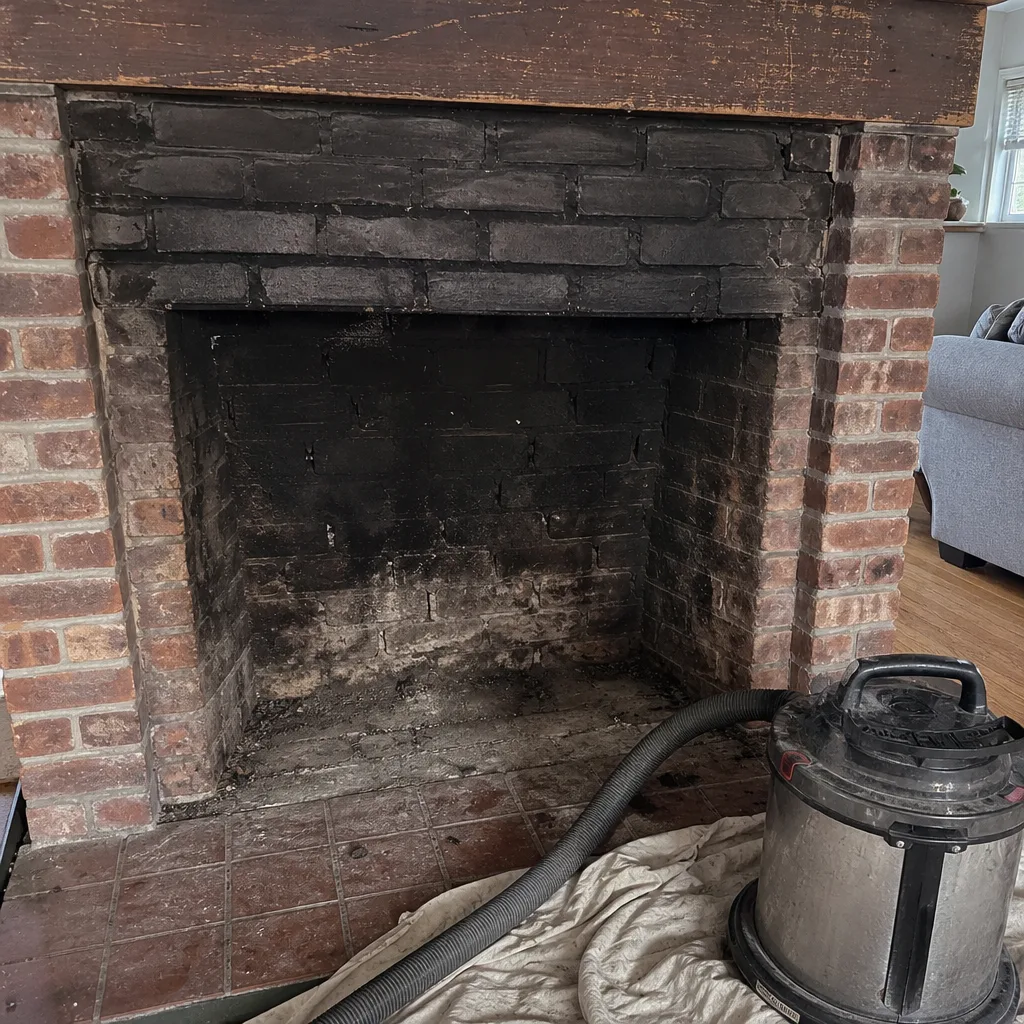 Before
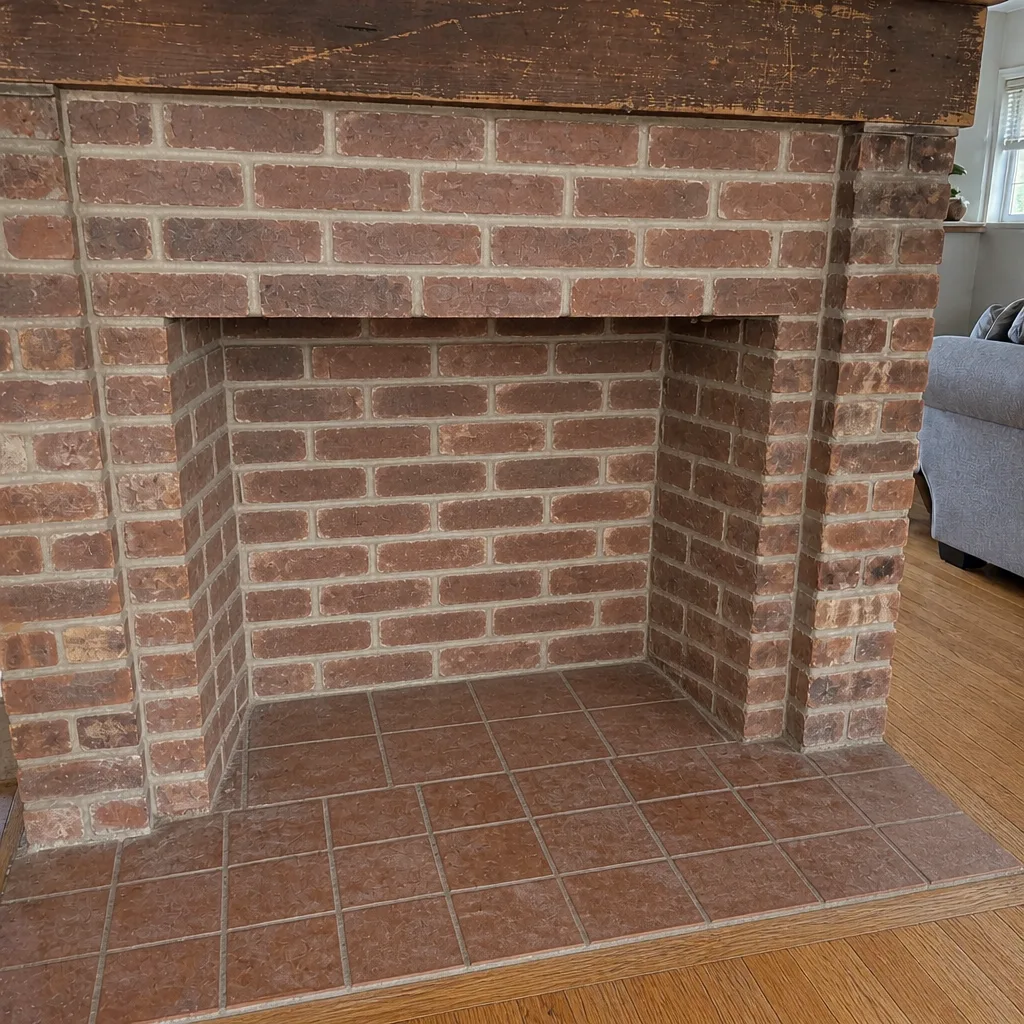 After
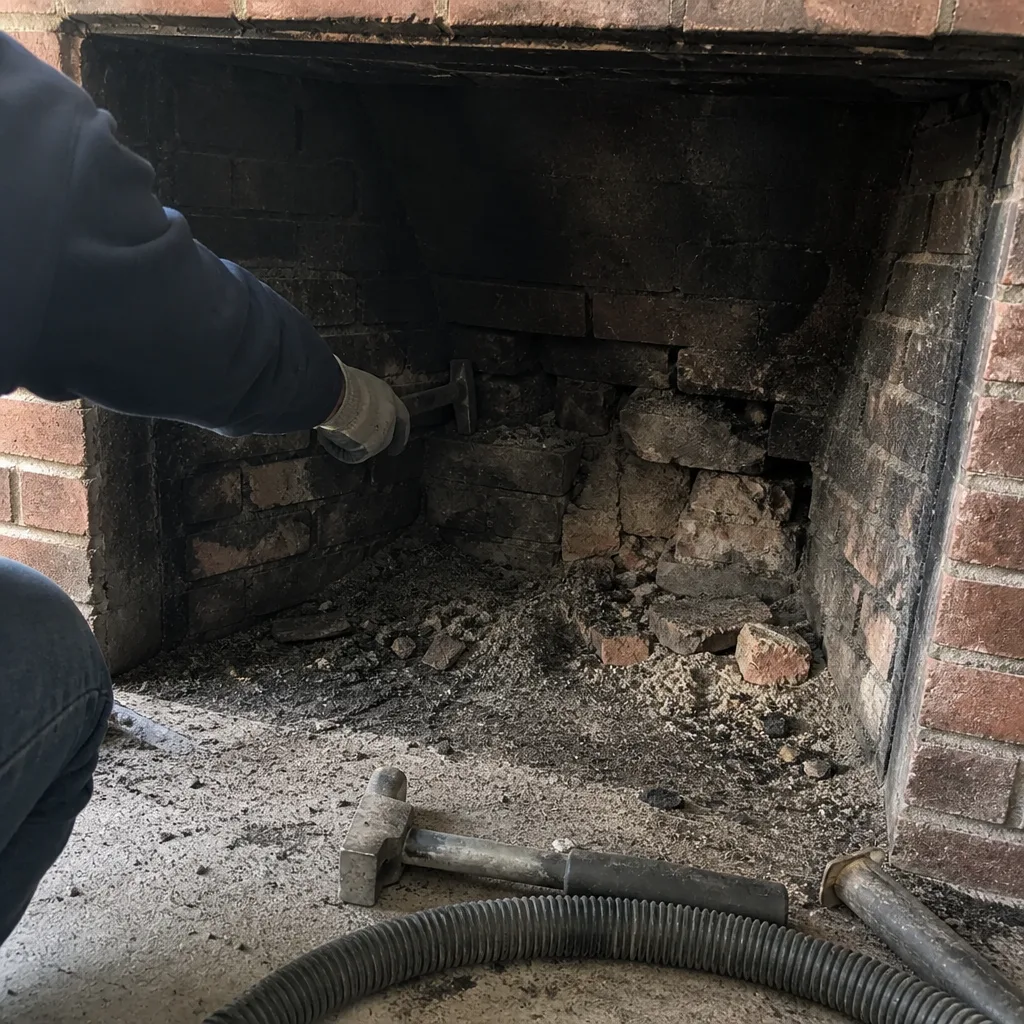 Before
 After
 Before
 After
When to Call a Professional
Some things are clearly a call. If your smoke backs up into the room, if you smell creosote on warm days, if the cap is loose or gone, or if you’ve never had the flue inspected in a Chelsea apartment you just bought, get someone out to look. The same goes for a fireplace that hasn’t been used in years but is about to be – the first fire is worth an inspection. We handle the full job from sweep to structural repair, and our chimney sweep in Chelsea page covers routine cleaning if that’s all you need. If you’re heading into the season and want to be ready, we’ve got the chimney sweep side handled, and our chimney repair work covers everything the inspection turns up. Chimney Sweep Chelsea offers free estimates in Chelsea – call (866) 937-8809. We answer 24/7, and fast dispatch runs 7am to 7pm, Sunday through Friday.
Frequently Asked Questions
A chimney sweep in Chelsea typically runs $200 to $350 for a single flue. A Level 2 inspection with a camera scan adds $250 to $450. The written estimate after we see the chimney sets the final price, and the estimate itself is free. Call (866) 937-8809 for an exact quote.
No. Routine cleaning and inspection of a chimney are maintenance tasks and don’t require a DOB permit. A permit generally becomes necessary when the work extends into liner replacement, crown reconstruction, or flue rebuilding. Confirm the specific requirement with the NYC Department of Buildings for your address before work begins.
Only if the camera inspection shows the existing flue is cracked, spalled, or otherwise unable to safely contain combustion gases. That’s why the inspection report and the footage matter – they’re the evidence. If the flue is intact, nothing needs to be replaced. If you have the footage and it shows damage, a liner is the safe choice. Call (866) 937-8809 so we can scan the flue and show you what’s there before you decide.
Once a year for a wood-burning fireplace is the standard baseline, and NYC Fire Code Section 603 requires regular cleaning and inspection of solid-fuel appliances. Heavy use, wet wood, or a stove burning daily calls for more frequent cleaning. A gas fireplace still needs annual inspection of the venting. Call (866) 937-8809 to book the seasonal sweep.
Creosote accumulates inside the flue, and a thick enough layer can ignite, which is the cause of most chimney fires in Chelsea and elsewhere. A blocked flue can also push carbon monoxide into the living space. Skipping one year isn’t automatically a crisis, but skipping several compounds the risk. Call (866) 937-8809 for an inspection – we’ll tell you honestly whether it’s urgent or whether it can wait.
Usually yes, if the work touches shared structure or the roofline. Most Chelsea co-ops and condos require an alteration agreement, submittal of plans, and proof of insurance from the contractor. Start the board process early because the meeting schedule, not the DOB filing, is usually what sets the pace. Call (866) 937-8809 if you want to understand what documentation to gather.
The cap should be intact and fastened, the crown should be free of cracks that let water in, and the firebox and damper should open and close cleanly. If any of those look wrong, book an inspection rather than waiting for the first cold night. Our chimney cap & crown work covers the top-of-chimney details that keep water out. Call (866) 937-8809 to schedule a pre-season check.
The Bottom Line
The rule of thumb for Chelsea homeowners is straightforward: cleaning and inspection are maintenance, and structural or replacement work is permitted construction. Keep a dated inspection report, get the camera footage before approving any repair, and treat the permit closeout and as-built package as part of the property file. If your building is a co-op or condo, start the board conversation before you hire anyone – the schedule, not the DOB, is usually what delays the job. None of this is complicated once you know where the line sits. It’s knowing where the line sits that takes experience.
Written by the team at Chimney Sweep Chelsea.