
Top Signs You Need Chimney Cleaning Service – Don’t Ignore These
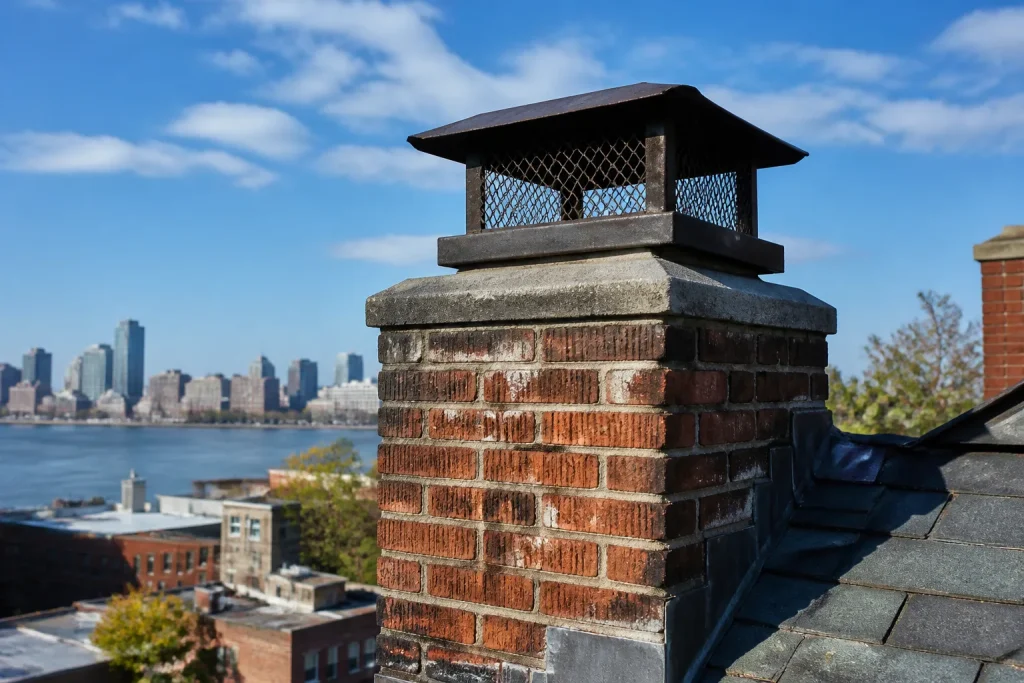
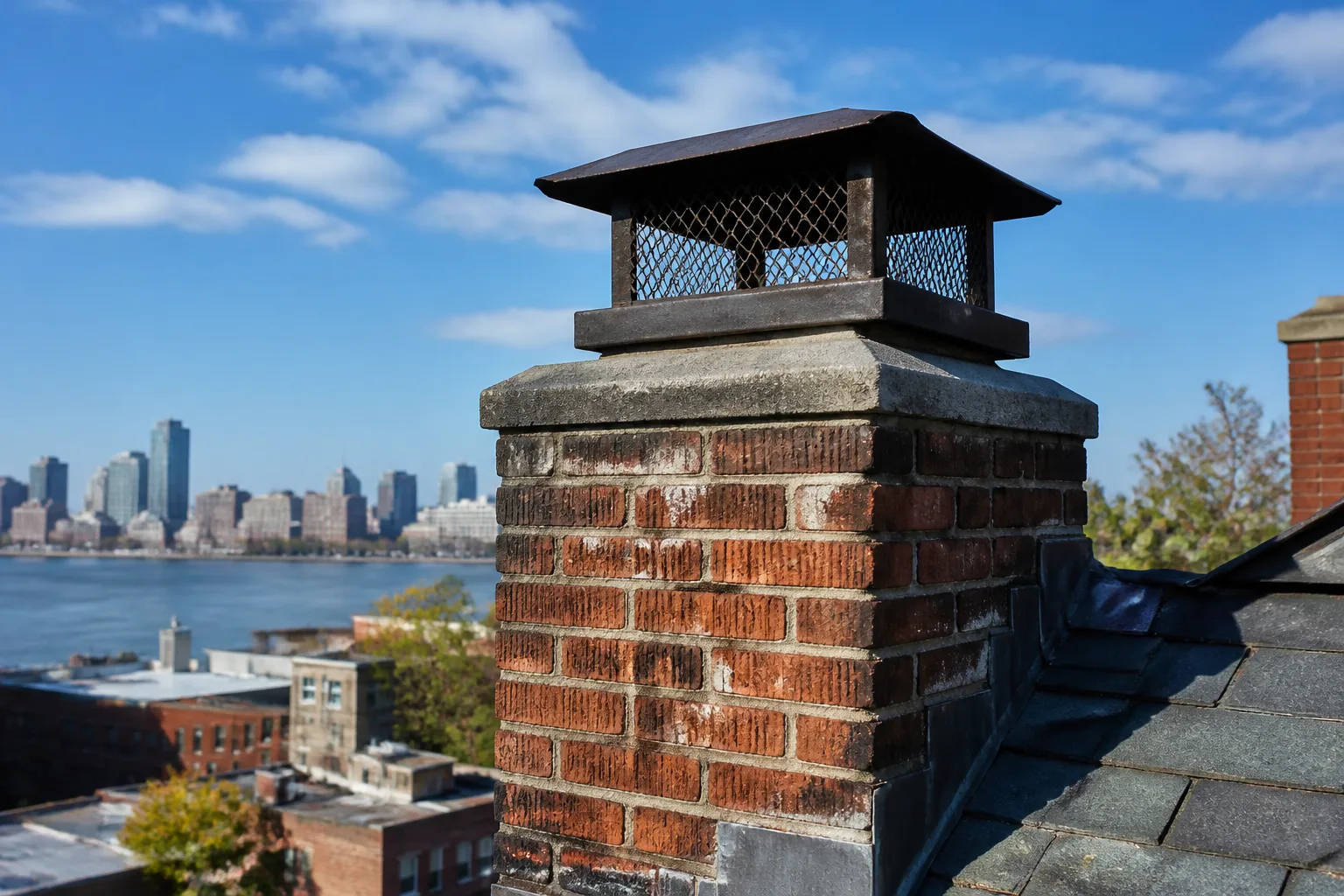
A white, chalky stain on your chimney’s exterior brick isn’t just cosmetic. It’s called efflorescence, and it means water is moving through your masonry in a way that, left unaddressed through a New York City winter, will accelerate spalling and potentially compromise your liner before you notice any change at the firebox. That’s the frustrating part about chimney problems: the loud ones get fixed, and the quiet ones get rationalized for a season or two. Here’s how to tell the difference.
The short answer: you need a chimney cleaning when you’ve burned roughly a cord of wood, when creosote has built to an eighth of an inch or more, or when you notice any of the interior or exterior signals below. If you’d rather not climb up there and squint at the flue yourself, call (866) 937-8809.
Key Takeaways
- Not every warning sign means “clean it” – some mean “stop using it until someone qualified looks.”
- Chelsea’s mix of gas and wood-burning appliances creates different warning patterns than generic national checklists describe.
- Interior signs (damper drag, seasonal odor shifts, mortar dust) show up long before performance drops.
- Exterior signs (cap corrosion, crown cracking, vegetation in the flue mouth) are visible from the street but easy to misread.
- Efflorescence on brick points to a water problem that cleaning alone won’t fix.
What Are the Interior Signs You Overlook at the Fireplace?
The interior signals show up before the fire does. If you know what to look for, your firebox tells you what’s happening inside the flue weeks before a draft problem gets bad enough to notice. In our experience, these are the four homeowners mention after the fact, once a sweep has already confirmed a problem:
- Damper resistance. If the damper handle takes more effort to open than it used to, or sticks halfway, that’s often creosote and ash binding the mechanism, or rust from moisture intrusion. It’s a gentle early warning, not an emergency – but it gets worse quietly.
- Odor that changes with the season. A faint smoky smell in October, before you’ve lit a fire, points to creosote that has absorbed ambient moisture. A sharper, more acrid smell in March, as the shoulder season winds down, often means buildup has reached a stage where it’s off-gassing. The type of smell matters as much as its presence.
- Mortar dust on the firebox floor. A light dusting after a fire is normal. A layer that keeps reappearing, or grit that’s noticeably sandy, suggests mortar is breaking down inside the smoke chamber or flue. That’s not a cleaning issue – it’s a repair issue, and it’s exactly the kind of thing a camera inspection catches early.
- A draft that feels weak or inconsistent. Smoke that hangs near the damper or spills into the room when you open the glass doors is a sign airflow is restricted. Sometimes it’s buildup. Sometimes it’s a flue that’s undersized for the appliance, or a cap that’s clogged with debris.
Notice the distinction. Damper drag and seasonal odor usually mean cleaning is overdue – schedule it. Persistent mortar dust and heavy smoke spill mean you should stop burning until a sweep looks at it. That second category is where homeowners get into trouble by waiting.
Why Do Chelsea’s Shoulder Seasons Create Different Warning Patterns?
Chelsea’s housing stock was built across several decades, and the appliances inside those buildings shifted over time. Some fireplaces still burn wood. Others were converted to gas logs years ago. Many buildings have a mix, floor by floor. That mix changes how and when warning signs appear compared to the generic “clean your chimney once a year” advice in most national guides.
Here’s what we mean. Wood-burning appliances in Chelsea tend to get heavy use in two windows: a burst of activity in October when the first cool evenings hit, and another in March when winter lingers longer than anyone expects. Those shoulder-season stretches are exactly when creosote accumulates fastest, because a fire that’s burning cool and slow produces more of it than a hot, well-oxygenated fire does. A homeowner who only thinks about the chimney in January may be missing the two periods when the most buildup actually happens.
Gas appliances work differently. They don’t produce creosote the way wood does, but they can produce moisture and, if the venting isn’t right, corrosive byproducts that attack the flue interior. A gas fireplace that “looks fine” can still have a venting problem nobody sees. That’s a cleaning question and an inspection question at the same time – and it’s why a single annual visit that covers both your appliance type and your building’s habits makes more sense than a calendar-based checklist.
We use professional-grade materials because what goes into a chimney matters as much as what comes out of it. When a repair is needed on a Chelsea flue, we work with brands like HeatShield for resurfacing and DuraFlex for flexible relining, which matters in older buildings where flues are irregular and a rigid liner won’t seat properly.
What Exterior Signs Should You Check From the Street?
Walk outside and look up. The exterior of your chimney is doing more diagnostic work than most homeowners realize, and the signals there fall into two categories: signs of a cleaning problem and signs of a structural problem. Learning to tell them apart saves you from either panicking over nothing or dismissing something serious.
Signs that point to cleaning or maintenance
- Cap corrosion or rust. A cap that’s rusting through, sagging, or missing screens is letting water and animals in. That’s a cap-and-crown issue, not just a cleaning one.
- Crown cracking. Hairline cracks in the concrete crown at the top of the chimney let water seep in. Left alone, freeze-thaw cycles widen them. Water intrusion is behind most of the long-term damage we see, and the crown is where it starts.
- Vegetation or nesting material at the flue mouth. Birds, squirrels, and even vines will find an open flue. This is a cleaning job plus a cap job, and if you’ve seen actual nesting material, don’t light a fire until it’s cleared.
The sign that’s often misread
Efflorescence – that white, chalky bloom on exterior brick – is a water problem, not simple cosmetic weathering. Water is moving through the masonry, dissolving salts, and depositing them on the surface as it evaporates. A cleaning alone won’t address it. What it needs is a look at the crown, the flashing, and the masonry itself. This is also where the brands you work with matter: Gelco and Famco caps and covers, properly installed, keep water off the flue and out of the crown in a way that a hardware-store cap simply doesn’t.
Which Signs Mean “Book a Cleaning” and Which Mean “Stop Using It”?
This is the question that actually matters, and most guides skip it. Here’s the split we use:
| Sign | What it means | Action |
|---|---|---|
| Damper drags or sticks | Creosote or rust buildup | Schedule a sweep |
| Seasonal odor shifts | Moisture absorbed into buildup | Schedule a sweep |
| Light mortar dust on firebox floor | Normal firebox wear | Mention it at your next inspection |
| Persistent sandy grit, recurring dust | Mortar or liner deterioration | Stop burning; get an inspection |
| Weak or inconsistent draft | Restricted flue or undersized flue | Stop burning; get an inspection |
| Smoke spilling into the room | Blockage, damage, or venting failure | Stop burning; call before next use |
| Cracked crown or corroded cap | Water intrusion or animal entry | Book cap-and-crown work |
| Efflorescence on brick | Active water movement through masonry | Book an inspection; cleaning alone won’t fix it |
| Vegetation or nesting at flue mouth | Blocked flue | Do not light a fire; get it cleared, then cap it |
The pattern to notice: anything that suggests the flue itself may be compromised – smoke spill, persistent grit, a draft that’s suddenly worse – gets the “stop burning” designation. Anything that’s a buildup or maintenance concern gets scheduled. When you’re not sure which category you’re in, that’s the moment to call a professional. We answer 24/7.
When to Call a Pro (and What to Expect)
There’s a version of chimney care you can handle yourself: keeping an eye on the exterior, noting when you’ve burned a cord of wood, and paying attention to how the fireplace behaves. There’s a version you shouldn’t: inspecting the flue interior, cleaning creosote out of a smoke chamber, or going up on a roof to look at the crown. Those need training, and the right tools.
Our technicians have up to 11 years of experience, and every one of them approaches a Chelsea chimney the same way. We tell you exactly what we found and show you the evidence before recommending any work. A camera inspection tells you whether that mortar dust is nuisance debris or the beginning of a liner problem – and a photo report means you can see it for yourself instead of taking our word for it.
If you’re in Chelsea and the signs above are pointing toward a cleaning or an inspection, Chimney Sweep Chelsea offers free estimates. Call (866) 937-8809. We handle the sweep, the inspection, and any repair that comes up – no bouncing between contractors.
Related services in Chelsea: a chimney sweep for routine cleaning, chimney cap & crown for the exterior work that keeps water out, and chimney repair when an inspection turns up more than just buildup. You can also start at our Chimney Sweep Chelsea page if you’re not sure where your situation fits.
Signs People Dismiss (and One That’s Actually Nothing)
Homeowners in Chelsea tend to dismiss four things. The first is a fireplace that “just smells a little smoky” in the shoulder season – that’s the creosote moisture signal, and it’s worth a sweep. The second is a cap that’s lost a screen, because the flue still draws fine right up until it doesn’t. The third is a small crack in the crown, which looks harmless from the ground and worsens with every freeze-thaw cycle. The fourth is a damper that’s become “a little stiff,” which usually means buildup is starting to bind the mechanism.
Here’s the one that’s often nothing: a little dust on the firebox floor after a fire. That’s normal. A fireplace is a working system, and working systems are a bit messy. The dust to worry about is the kind that keeps coming back. If you’ve swept it up twice and it’s still there, that’s a different conversation.
And if all of this is feeling like a lot to track, we get it. Chimneys are one of those things you only think about when something’s wrong. That’s exactly why the quiet signs matter – they’re the ones that speak up before the loud ones do.
The Bottom Line
Most chimney problems in Chelsea announce themselves quietly, long before the fire misbehaves. Damper drag, seasonal odor shifts, persistent mortar dust, a cracked crown, a bloom of efflorescence on the brick – each of these tells you something specific about what’s happening inside the flue. Some mean “schedule a cleaning.” Others mean “stop burning and get an inspection.” Knowing which is which is the whole job.
From the firebox to the crown, every part of your chimney system is in our scope, and one company handles the sweep, the inspection, and any repair we find. If you’re in Chelsea and need help, Chimney Sweep Chelsea offers free estimates – call (866) 937-8809. We answer 24/7, with fast dispatch from 7am to 7pm, Sunday through Friday.
Frequently Asked Questions
Once a year is the standard rule of thumb, and it covers most wood-burning fireplaces. If you burn frequently or your fire tends to burn cool and slow, you may need it more often. A gas fireplace still benefits from an annual inspection even though it doesn’t produce creosote. A quick camera inspection settles it. Call (866) 937-8809 for an exact quote – estimates are free.
Creosote builds in layers, and the more it builds, the harder it is to remove and the more restricted your draft becomes. In older Chelsea buildings, a restricted flue can also mean water and moisture get trapped against the masonry longer. Beyond that, a cleaning is also the annual inspection – skipping it means you don’t find out about a cracked crown or a failing liner until the problem has had time to grow. Call (866) 937-8809 to get on the schedule.
Not the same kind. Gas fireplaces don’t produce creosote, so a “cleaning” in the wood-burning sense rarely applies. But gas appliances still need their venting checked, and moisture or corrosive byproducts can affect a flue that isn’t venting properly. An annual inspection is worth doing either way. Call (866) 937-8809 for a free estimate.
It depends on which sign. Damper drag or a mild seasonal odor usually means the cleaning is overdue, and you can schedule it. Persistent mortar dust, smoke spilling into the room, or vegetation in the flue mouth means don’t light a fire until a sweep has looked at it. If you’re not sure, call (866) 937-8809 and we’ll help you sort out which category you’re in.
Written by the team at Chimney Sweep Chelsea.
Need Chimney Cleaning Help?
Call Chimney Sweep Chelsea - the local pro we connect you with is licensed and insured, here with fast help in Chelsea.
(866) 937-8809